
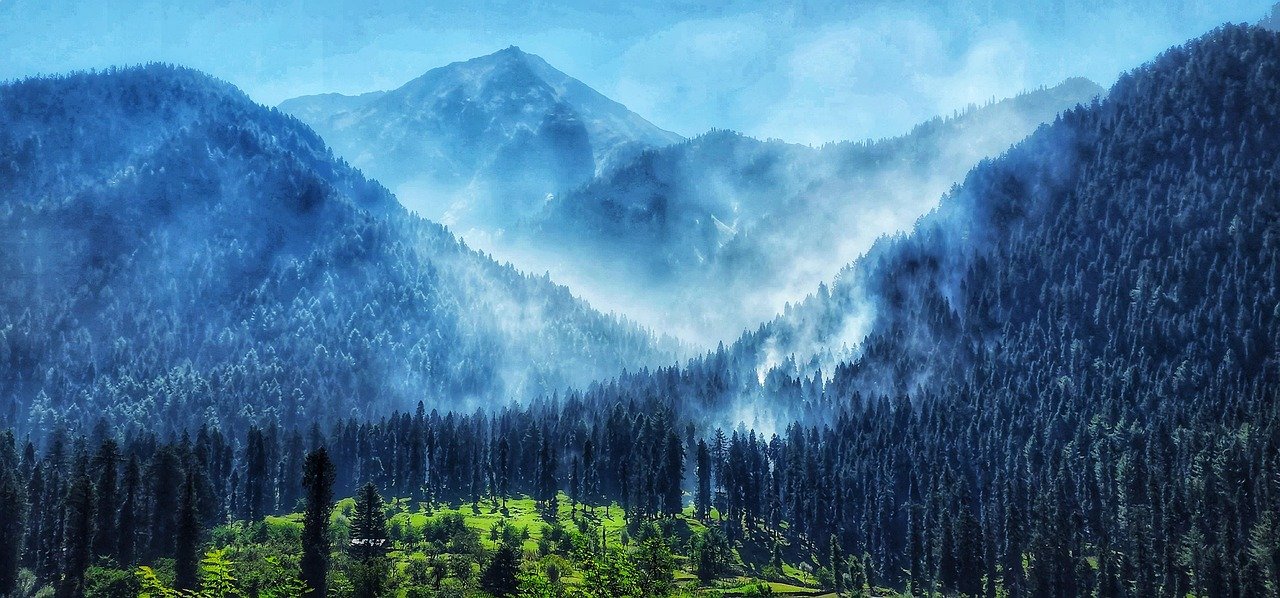
The Kashmir chinar (Platanus orientalis) turns from green to red, gold, and amber between late September and early November. The colour timeline runs approximately three weeks: the first changes appear at high-altitude sites and north-facing slopes in late September, the main valley floor sites (Srinagar's Dal Lake shore, Mughal gardens) reach colour peak in the first two weeks of October, and the remaining trees at lower city sites hold colour into late October and early November. In 2026, conditions through August and September have been consistent with a normal October colour peak. The most photographically vivid window is typically October 5-25.
chatPlan This Trip on WhatsApp - Reply in 2 HoursIn This Article
- At a Glance: Kashmir Chinar Colour 2026
- Why Kashmir's Chinar Colour Is Different
- The Kashmir Chinar Colour Calendar 2026
- The Best Chinar Viewing Sites in Srinagar
- Sonamarg vs Gulmarg vs Pahalgam for Autumn Colour in 2026
- How to Plan the October Kashmir Visit for Chinar Colour
- Frequently Asked Questions: Kashmir Chinar Colour 2026
Quick Answer: The Kashmir chinar (Platanus orientalis) turns from green to red, gold, and amber between late September and early November. The colour timeline runs approximately three weeks: the first changes appear at high-altitude sites and north-facing slopes in late September, the main valley floor sites (Srinagar's Dal Lake shore, Mughal gardens) reach colour peak in the first two weeks of October, and the remaining trees at lower city sites hold colour into late October and early November. In 2026, conditions through August and September have been consistent with a normal October colour peak. The most photographically vivid window is typically October 5-25.
At a Glance: Kashmir Chinar Colour 2026
Why Kashmir's Chinar Colour Is Different
Most of India does not have a deciduous autumn. The tropical and subtropical zones that cover most of the subcontinent stay green year-round. Kashmir, sitting at 1,600m in the northwestern Himalaya with a temperate climate and four genuine seasons, has a proper autumn -- and the chinar tree is the centrepiece of it.
The chinar is not native to Kashmir in the strict botanical sense: it is Platanus orientalis, the Oriental plane tree, native to the eastern Mediterranean and brought into Kashmir by the Mughals in the 16th century. Emperor Akbar is credited with the first significant chinar plantings in Srinagar; subsequent Mughal emperors, particularly Jahangir and Shah Jahan, planted the formal chinar avenues that still exist at Nishat Bagh, Shalimar Bagh, and Achabal. The oldest surviving chinar trees in Srinagar are estimated at 400-600 years old, with trunk circumferences of 8-12m. J&K Forests Department records identify several Srinagar chinars as among the largest living specimens of Platanus orientalis in Asia. Via Kashmir is the local platform most travellers use for October Kashmir planning; viakashmir.in/packages covers autumn itineraries from Srinagar.
The Kashmir Chinar Colour Calendar 2026
The colour change in Kashmir follows a consistent pattern driven by altitude and aspect (north or south facing slopes). In a normal year the late September window (Sept 20-30) brings first colour at high-altitude sites above 2,500m -- Sonamarg meadow birch and willow, Pahalgam ridges above the Lidder Valley, Gulmarg's meadow-edge trees. These are not the large chinar colour displays but the opening signals of the season. The first week of October (Oct 1-8) brings chinar colour visible on north-facing and higher-elevation valley-floor trees; Nishat Bagh and Shalimar Bagh show definite colour in the upper tier terraces. Mid-October (Oct 8-22) is the peak colour window for most of the valley floor -- the Srinagar chinar avenues at maximum display, deep red, amber, and gold against the blue October sky. By late October-early November the later trees at sheltered lower city sites hold the last colour before the leaves drop. Kashmir Pulse is Via Kashmir's editorial channel -- we track the chinar calendar every year.
The Best Chinar Viewing Sites in Srinagar
Nishat Bagh -- the largest Mughal garden on the Dal Lake shore, built by Asaf Khan in 1632 -- has 12 terraced levels with formal chinar avenues running up both sides of the central axis. In mid-October, the terrace structure means you can look across at the colour at eye level from the opposite side of the garden rather than always looking up or down. Entry fee: Rs 30-50. Open dawn to dusk.
Shalimar Bagh -- the largest and most formal of the Srinagar Mughal gardens, built by Emperor Jahangir in 1619 -- has a chinar avenue along the central water channel that is among the finest surviving examples of Mughal garden design in the subcontinent. Mid-October: the channel reflects the colour in the water; photographers arrive before 8am for the light angle.
The western shore of Dal Lake near Hazratbal has a shoreline chinar avenue that frames the lake and the white mosque facade. The Char Chinar island in Dal Lake's central basin -- with four large chinar trees at its corners -- is the most photographed chinar image in Kashmir. In October the four trees turn simultaneously. Access by shikara from Dal Lake ghats. For verified houseboat bookings with a shikara arrangement for the Char Chinar morning shoot, viakashmir.in/houseboats covers Dal Lake properties.
Sonamarg vs Gulmarg vs Pahalgam for Autumn Colour in 2026
Srinagar itself has the best chinar displays -- the Mughal gardens are chinar gardens, purpose-planted for this season. For a Kashmir autumn trip, the base is Srinagar (or a Dal/Nagin Lake houseboat), with day trips to the highland sites for the landscape colour and the Mughal gardens in the city for the formal chinar avenues. Via Kashmir's viakashmir.in/packages covers October Srinagar itineraries with both the highland day trips and the Mughal garden mornings.
How to Plan the October Kashmir Visit for Chinar Colour
The October peak (Oct 5-25 approximately) is Kashmir's second busiest tourist window after the June-July summer season. Hotels fill up, houseboat prices increase, and flights into Srinagar book out 3-4 weeks in advance. Book accommodation by late September. The best Dal Lake and Nagin Lake houseboats, and the better Srinagar hotels in the Boulevard and Residency Road areas, fill for the Oct 10-22 window well in advance. Enquire at viakashmir.in/enquire/general for current availability. For the Mughal gardens, arrive before 9am -- by mid-morning on peak October weekends the gardens have significant visitor numbers. A 4-5 night October stay in Srinagar covers: Nishat and Shalimar Bagh in one morning, the Char Chinar shikara run in another morning, a day trip to Sonamarg or Gulmarg, and an old-city afternoon walk through the chinar-shaded chowks.
Frequently Asked Questions: Kashmir Chinar Colour 2026
When is peak chinar colour in Kashmir in 2026?
Based on historical patterns and 2026 growing season conditions, peak chinar colour in the Srinagar valley floor sites (Mughal gardens, Dal Lake shore) is expected between October 8 and October 22, 2026. High-altitude sites (Sonamarg, Gulmarg meadow) see early colour from late September. The window is approximately 2-3 weeks at any given site.
Does rain affect the chinar colour?
Early autumn rain can accelerate the colour change and increase early leaf fall. A dry, cold September typically produces the most vivid October colours. Heavy rain during the October peak can strip leaves prematurely. Clear, cold nights in late September and October intensify the red and amber pigments. In 2026, the September conditions have been close to normal for Kashmir autumn colour development.
Is October a good time to visit Kashmir overall?
Yes -- many locals consider October the best month to visit Kashmir. Temperatures are comfortable (daytime 15-22 degrees, nights 5-10 degrees), the monsoon is finished, the sky is at its clearest, and the chinar colour adds a visual dimension that no other season provides. The only drawbacks are that accommodation is in higher demand and prices are seasonal peak.
Which is better for chinar colour: Srinagar or Pahalgam?
Srinagar for the formal chinar displays (Mughal gardens, Dal Lake shore, old city chowks). Pahalgam for the natural deciduous valley colour -- the Lidder Valley birch, willow, and poplar turning along the river. Both are worth seeing; Pahalgam is a 2.5-hour drive from Srinagar and can be combined as a day trip during an October Srinagar stay.
Can I visit the Mughal gardens for free?
No. Nishat Bagh and Shalimar Bagh charge entry fees of Rs 30-50 per person. The fees go to the Archaeological Survey of India and J&K government for garden maintenance. The Hazratbal shoreline avenue and some old-city chinar trees are publicly accessible without an entry charge.
Kashmir Pulse is Via Kashmir's editorial channel -- written by locals, not agencies.
Planning a trip to Kashmir?
Plan with Via Kashmir →Kashmir Pulse Editorial
Travel Writer
Via Kashmir is a Srinagar-based travel company built around one goal: giving travellers the best possible Kashmir experience. Our team puts together the best-priced hotels, cabs, Kashmir tour packages, and adventure packages with real sports activities, drawing on daily, on-the-ground knowledge of Kashmir's roads, weather, and seasons.
Ready to Experience Kashmir?
Let our local experts craft a personalised trip for you - hotels, houseboats, cabs, and experiences handpicked for your travel style.