
Quick Answer
Kashmir in winter (December to February, with the harshest 40 days - Chillai Kalan - running 21 December to 29 January) means snow across Gulmarg, Pahalgam, Sonamarg, and Srinagar, with Gulmarg becoming one of Asia's top skiing destinations from January to March. Via Kashmir runs 7 real winter tour packages, from ₹17,399 per person, covering Srinagar and Gulmarg (and Pahalgam and Sonamarg on longer itineraries), with heated stays and a Kangri fire-pot experience included. Dal Lake and the Mughal gardens look magical under snow, and houseboats stay cosy with traditional bukhari heaters. Sonamarg now has all-weather road access via the Z-Morh Tunnel (open since January 2025); the road beyond it toward Zoji La still closes. Pack heavy woollens, waterproof boots, and gloves.
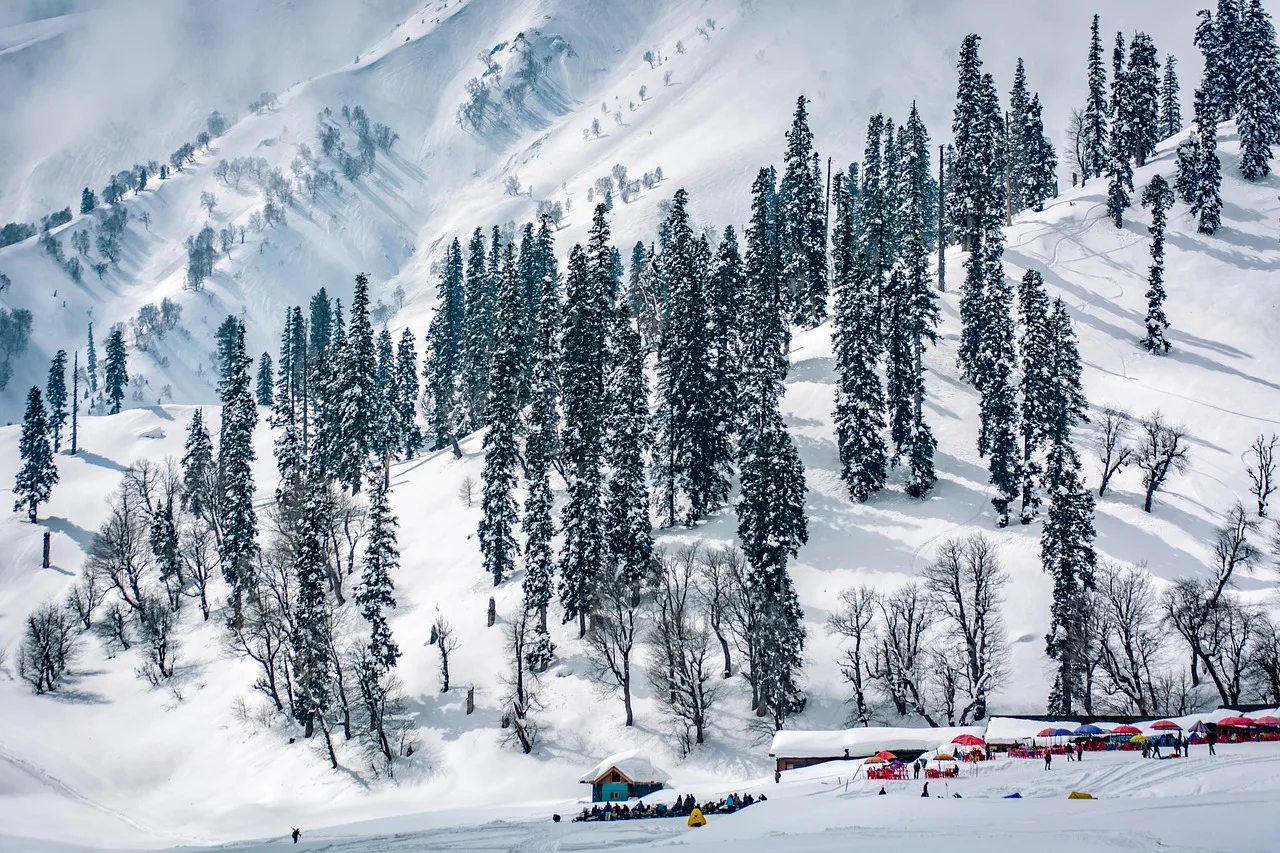
Most people picture Kashmir green, but the valley in winter is a different kind of beautiful. Snow settles on the chinars and the sloping tin roofs of Srinagar, mist hangs over a half-frozen Dal Lake, and up in Gulmarg the meadow disappears under metres of powder. It is colder, quieter, and in places harder to reach, and for a lot of travellers that is exactly the appeal.
This guide covers where the snow is, what stays open, skiing in Gulmarg, and how to pack and plan so a winter Kashmir trip is magical rather than miserable.
Book a Kashmir winter tour package
Via Kashmir runs 7 real, bookable winter packages, priced per person and covering Srinagar, Gulmarg, and (on longer itineraries) Pahalgam and Sonamarg. Group packages start at 2 people; solo-traveller pricing is also available on every duration.
| Package | Duration | Group Size | Price/Person |
|---|---|---|---|
| Winter Special Package | 4N/5D | 2-18 | ₹17,399 |
| Winter Special Package | 5N/6D | 2-18 | ₹20,599 |
| Winter Special Package | 6N/7D | 2-18 | ₹23,599 |
| Winter Wonderland - Snow & Serenity | 4N/5D | 1-15 | ₹24,999 |
| Solo Winter Kashmir | 4N/5D | Solo | ₹25,699 |
| Solo Winter Kashmir | 5N/6D | Solo | ₹32,099 |
| Solo Winter Kashmir | 6N/7D | Solo | ₹38,399 |
Live pricing as shown on each package page. All packages include hotel/houseboat stay, daily breakfast and dinner, private cab transfers, and a Kangri fire-pot experience.
Cheapest way to see Kashmir in the snow
The Winter Special Package (4N/5D, from ₹17,399/person) is the lowest-priced winter itinerary we run for two or more travellers. Solo travellers can join a fixed-date snow departure or book a Solo Winter package.
Where to go in Kashmir in winter
Gulmarg - the winter centrepiece
Gulmarg is the reason many people come in winter. From January to March it is a full ski resort with reliable powder, lift-served and backcountry terrain off Apharwat, ski schools, and gear rental. Even non-skiers ride the gondola over a white landscape and play in the snow. Book Gulmarg stays well ahead; rooms are limited.
Srinagar and Dal Lake
Srinagar under snow is quietly spectacular: the Mughal gardens dusted white, mist over the lake, and shikaras gliding through still water. Houseboats stay warm with bukhari (wood or kerosene) heaters. A shorter, gentler winter base than Gulmarg.
Pahalgam
Pahalgam in winter is hushed and snowbound, the Lidder running dark between white banks - December runs -2°C to 4°C, January (Chillai Kalan) drops to -12°C to -6°C overnight with 2-3 feet of snow on the ground. Fewer visitors, cosy riverside stays, and beautiful short walks when the weather is clear. Full detail: Pahalgam in Winter 2026.
Sonamarg - now open year-round
Sonamarg used to be effectively closed from December to March, cut off when the road beyond Gagangir shut under snow. That changed with the Z-Morh (Sonamarg) Tunnel, open since January 2025, which now gives the town itself all-weather road access. The Thajiwas Glacier trek beyond it still closes for winter (its season is May-September), so a winter Sonamarg visit is for the snow-quiet town and mountain views, not the glacier trek. Full detail: Sonamarg in Winter 2026.
Month by month: December to February
| Month | Snow | Notes |
|---|---|---|
| December | Early snow, building | Festive, first snowfalls, Gulmarg opening up, Chillai Kalan begins late Dec |
| January | Peak snow, coldest | Best powder in Gulmarg, deep cold (Chillai Kalan), stunning landscapes |
| February | Deep snow, easing cold | Excellent skiing, slightly longer days, still very much winter |
Chillai Kalan is the 40-day harshest-winter period from late December, when snowfall is heaviest.
Kashmir Winter: Temperature, Season Name & Key Facts
Kashmir's winter runs December to February, split into three traditional Kashmiri periods rooted in Persian-influenced vocabulary: Chillai Kalan ("the major cold"), 40 days from 21 December to 29 January, the harshest stretch with the heaviest snow; Chillai Khurd ("the small cold"), 20 milder days from 30 January to 18 February; and Chillai Bachha ("the baby cold"), a final 10-day taper from 19 to 28 February. This three-phase calendar predates modern meteorology and still shapes how Kashmiris plan the season.
| City | December | January |
|---|---|---|
| Srinagar (Kashmir Valley) | Day 6.5°C avg, night -4.3°C avg | Day 3.1°C avg, night -5.8°C avg |
| Jammu (plains) | Day 18.7°C avg, night 7.4°C avg | Day 16.4°C avg, night 6.3°C avg |
5-year historical average (2020-2025), computed directly from Open-Meteo's climate archive for Srinagar and Jammu. Jammu and Kashmir is one Union Territory but two different winters: Jammu city, in the Shivalik foothills, stays roughly 12-15°C warmer than the Kashmir Valley through December-January. "Kashmir in winter" and "Jammu in winter" are not the same trip.
The air in Kashmir during winter is cold, dry, and notably crisp - high-pressure spells common during Chillai Kalan bring clear skies and sharp, thin mountain air between snowfalls, broken by the damp cold of active snow days. It's a different feel from the humid cold of the Indian plains.
What to pack and know before you go
- Clothing: Heavy woollens, a proper down or insulated jacket, thermals, waterproof gloves, a warm hat, and waterproof boots with grip.
- Skiing: Gear can be rented in Gulmarg; bring your own base layers and goggles if you can.
- Roads: The high road to Sonamarg and the Zoji La pass typically close. The final climb to Gulmarg can need chains or a short transfer in heavy snow.
- Heating: Confirm heating (bukhari or electric) when booking, especially budget hotels and houseboats.
- Daylight: Shorter days, so start sightseeing early.
Why a local operator matters more in winter
Snow changes the plan daily. A Srinagar-based team knows which roads are open, when Gulmarg's gondola is running, and how to keep a winter trip moving. This is the season where on-ground knowledge earns its keep.
Book your Kashmir winter package
Snow changes the plan daily. Our Srinagar team keeps your winter trip moving, from Gulmarg slopes to cosy houseboats - packages from ₹17,399/person. Trips from ₹17,399/person.
Further reading from Kashmir Pulse
- Gulmarg Snowfall News: Fresh Snow on Apharwat (October 2026) and What It Means for Your Trip
Fresh snow fell on Gulmarg's Apharwat ridge on the night of 6 October 2026, after a first dusting on 23 September. The meadow town is still...
- Sonamarg in Winter: Zero Point, Snow Activities, and the Season Before the Road Closes
Sonamarg at 2,740m sits at the edge of Kashmir valley transitioning into the higher ranges toward Zoji La and Ladakh. From October, the...
- Kashmir in December: What the Valley Looks Like When Winter Arrives
Kashmir in December means Gulmarg under first heavy snow, Srinagar cold but not yet frozen (0-8 degrees Celsius), and Dal Lake steaming in...
- Staying on a Dal Lake Houseboat in Winter: What to Expect in December and January
A Dal Lake houseboat in winter is colder, quieter, and heated by wood-burning bukhari stoves. The lake surface steams in morning cold;...
- Kangri and Pheran: How Kashmir Stays Warm in Winter Without Central Heating
A kangri is a clay fire pot encased in wicker, filled with charcoal, and carried under a pheran (Kashmir's traditional floor-length wool...
- Gulmarg Skiing 2026-27: Gondola, Runs, Season Dates, and What First-Timers Need to Know
Gulmarg ski season 2026-27 opens in late December. Phase 1 gondola to Kongdoori at 3,979m handles beginner and intermediate terrain; Phase 2...
Frequently Asked Questions
How much does a Kashmir winter tour package cost?
Via Kashmir's winter tour packages start from ₹17,399 per person for a 4-night/5-day itinerary (the Winter Special package, 2 or more travellers). The longest group trip, Winter Special Kashmir Package - 6N7D, is ₹23,599 per person, and the longest solo trip, Solo Winter Kashmir - 6N7D, is ₹38,399 per person. All 7 packages include hotel/houseboat stay, daily breakfast and dinner, and private cab transfers.
Is Kashmir worth visiting in winter?
Yes, if you want snow. Winter turns Gulmarg into one of Asia's top skiing destinations and blankets Srinagar, Dal Lake, and Pahalgam in snow, with cosy heated houseboats. The trade-offs are the cold and some road closures (notably Sonamarg), so it suits travellers who come prepared and centre the trip on Gulmarg.
When does it snow in Kashmir?
Kashmir generally sees snow from December to February, with the heaviest snowfall during Chillai Kalan, the 40-day harsh-winter period beginning in late December. Gulmarg holds reliable snow for skiing from January to March.
Can you ski in Kashmir?
Yes. Gulmarg is one of Asia's premier skiing and snowboarding destinations, with lift-served and backcountry terrain off Apharwat peak, ski schools for beginners, and gear rental. The reliable ski season runs January to March.
What should I pack for Kashmir in winter?
Pack heavy woollens, an insulated or down jacket, thermals, waterproof gloves, a warm hat, and waterproof boots with good grip. For skiing, base layers and goggles are useful; skis and boots can be rented in Gulmarg.
Does Dal Lake freeze in winter?
The shallow edges of Dal Lake can freeze during the coldest spells of Chillai Kalan in January, and in exceptional winters larger areas freeze. The main lake generally stays navigable, and shikara rides continue in clear weather, with snow-covered surroundings.
What is winter season called in Kashmir?
Kashmiri tradition divides winter into three named periods: Chillai Kalan ("the major cold"), 40 days from 21 December to 29 January and the harshest stretch; Chillai Khurd ("the small cold"), 20 milder days from 30 January to 18 February; and Chillai Bachha ("the baby cold"), a final 10-day taper to 28 February. The terms come from Persian-influenced Kashmiri vocabulary and predate modern weather forecasting.
What is the temperature in Kashmir during winter?
In Srinagar, the heart of the Kashmir Valley, December averages 6.5°C by day and -4.3°C at night; January averages 3.1°C by day and -5.8°C at night (5-year historical average, Open-Meteo climate archive). Gulmarg and Sonamarg, at higher altitude, run several degrees colder.
Is winter in Jammu the same as winter in Kashmir Valley?
No. Jammu and Kashmir is one Union Territory but has two distinct winters - Jammu city sits in the Shivalik foothills and averages 16-19°C by day and 6-7°C at night through December-January (versus Srinagar's 3-6.5°C day, -4 to -6°C night), with no snow in the city itself. "Kashmir in winter" (snow, skiing, Chillai Kalan) and "Jammu in winter" (mild, dry, plains climate) are genuinely different trips.
What is the air like in Kashmir during winter?
Cold, dry and notably crisp. Clear high-pressure spells during Chillai Kalan bring sharp, thin mountain air between snowfalls, while active snow days bring a damp, heavier cold - a different feel from the humid winter cold of the Indian plains.
What months does the winter season cover in Kashmir?
December through February is core winter, with the first snow often arriving in late November and the last cold snaps extending into early March at higher altitudes like Gulmarg.
Describe the winter season in Kashmir (short summary)
Winter in Kashmir runs from December to February, the coldest and snowiest season in the valley. It begins with the first snowfall in late November, building through December as Srinagar averages 6.5°C by day, dropping to around -4°C at night. The harshest stretch is Chillai Kalan, a traditional 40-day period from 21 December to 29 January, when nights fall to -6°C or lower and the valley sees its heaviest snow. Two milder phases follow: Chillai Khurd (20 days) and Chillai Bachha (10 days), easing the cold through February. Snow transforms the landscape - the chinar trees and sloping tin roofs of Srinagar disappear under white, Dal Lake's shallow edges can freeze, and the Mughal gardens turn still and silent. Gulmarg becomes the season's centrepiece, turning into one of Asia's major ski destinations from January to March. Pahalgam and Sonamarg grow quieter and colder, their rivers running dark between snow-covered banks, though the Thajiwas Glacier trek beyond Sonamarg stays closed until spring. Despite the cold, Kashmir stays functional through winter - houseboats keep warm with traditional bukhari heaters, markets and temples operate on shorter hours, and most roads remain open, with the notable exception of the high pass beyond Sonamarg toward Leh. For travellers prepared with heavy woollens and waterproof boots, winter shows a different, quieter Kashmir: colder, emptier of crowds, and in its own way more dramatic than the green valley most people picture.
Written by Via Kashmir Editorial Team
Last checked October 2026
Via Kashmir is a Srinagar-based travel company built around one goal: giving travellers the best possible Kashmir experience. Our team puts together the best-priced hotels, cabs, Kashmir tour packages, and adventure packages with real sports activities, drawing on daily, on-the-ground knowledge of Kashmir's roads, weather, and seasons. Every guide on this site is written and checked by our local Srinagar team.