
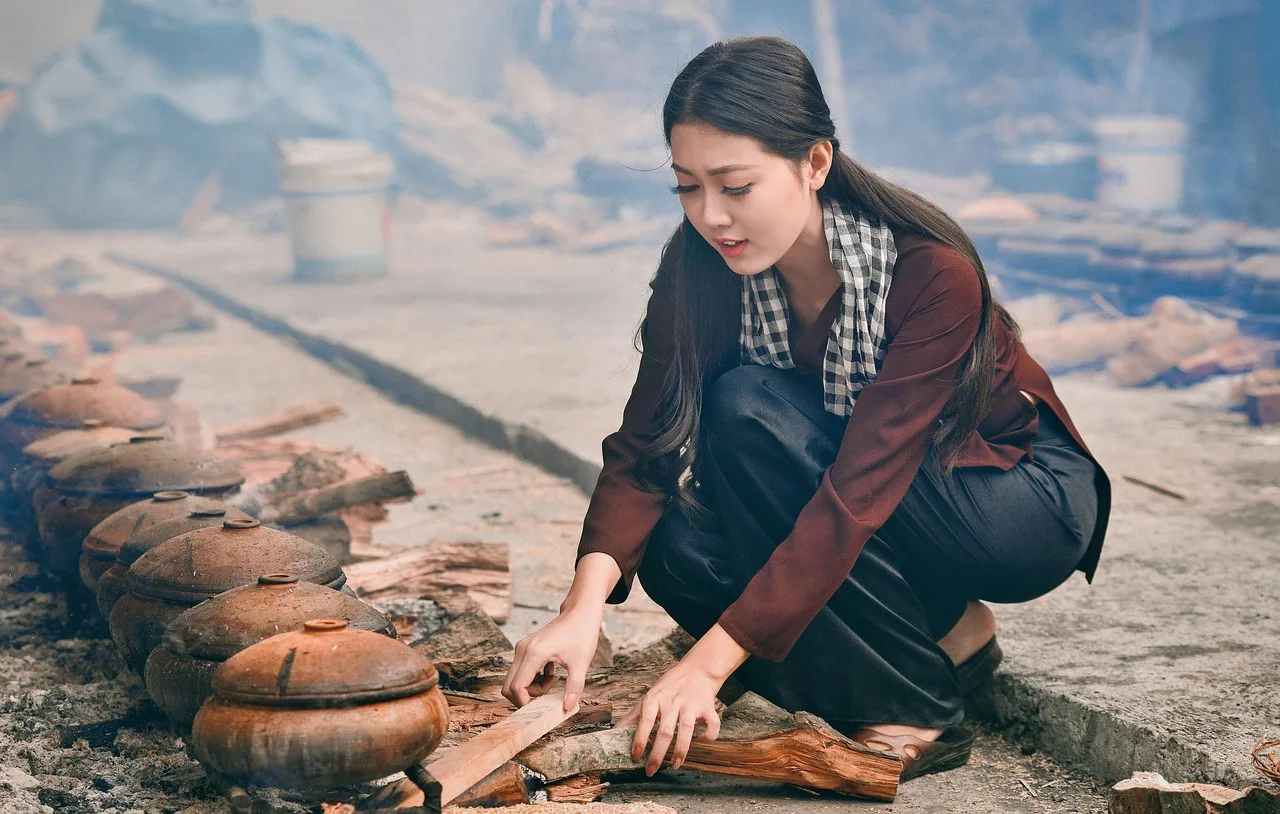
A kangri is a clay fire pot encased in wicker, filled with charcoal, and carried under a pheran (Kashmir's traditional floor-length wool cloak). Together, kangri and pheran are Kashmir's traditional personal heating system -- used daily from October through March. The kangri is still in everyday use in Srinagar.
Plan a winter cultural trip to Kashmir
Via Kashmir builds winter itineraries that include old city market visits, artisan workshops, and local cultural experiences.
In This Article
Quick Answer: A kangri is a clay fire pot encased in wicker, filled with burning charcoal, and carried under a pheran (Kashmir's traditional floor-length wool cloak) to keep the body warm. The pheran is worn loose enough to trap the heat from the kangri held against the abdomen. Together, kangri and pheran are Kashmir's traditional personal heating system -- developed over centuries in a valley where winters reach -15 degrees Celsius. The kangri is still in everyday use in Srinagar from October through March.
At a Glance: Kangri and Pheran
| Detail | Information |
|---|---|
| Kangri | Clay fire pot in wicker basket; filled with live charcoal |
| Pheran | Floor-length loose wool cloak; worn over regular clothes |
| Purpose | Personal heating -- worn while sitting, working, visiting |
| Charcoal type | Willow charcoal (locally sourced; burns slow and clean) |
| Cost (kangri) | Rs 150-800 depending on size and wicker quality |
| Cost (pheran) | Rs 800-4,000 (wool grade, embroidery) |
| Season of use | October through March in daily use |
| Where to buy | Old city markets, Lal Chowk area, craft emporiums |
| Carbon monoxide risk | Yes -- never use in closed rooms without ventilation |
What Is a Kangri?
The kangri is a clay pot, roughly the size of a large grapefruit, shaped to hold burning charcoal. The clay pot sits inside a woven wicker casing -- the wicker keeps the exterior surface cool enough to hold and provides grip. The wicker work on a quality kangri is crafted from willow branches and is a distinct craft tradition. Plain kangri for daily use has simple wicker weaving; gift-grade kangri has intricate geometric patterns. The charcoal is typically made from willow wood. A charged kangri holds heat for 3-6 hours. Charcoal sellers with small braziers are a fixture of Srinagar's winter streets, refilling kangri for Rs 20-40 per charge. Kashmir Pulse is Via Kashmir's editorial channel -- the kangri is among the most overlooked aspects of Kashmir's material culture.
What Is a Pheran?
The pheran is a long, loose outer garment worn by both men and women in Kashmir, cut to fall below the knee or to the ankle. The cut is deliberately loose and wide: the excess fabric creates the air pocket that traps the kangri's heat against the body. Men's pherans are typically in dark colours with minimal embroidery. Women's pherans are often in rich colours -- deep maroon, forest green, black -- with sozni needle embroidery at the collar, cuffs, and hem. A women's embroidered pheran is a significant textile object: the finest examples take months to complete.
The Cultural Weight of the Kangri
The kangri appears throughout Kashmiri literature and oral tradition. It is referenced in the poetry of Habba Khatoon (16th century). The sharing of a kangri -- passing it to a guest to warm their hands -- is a gesture of hospitality with the same cultural weight as offering tea. In Kashmiri weddings, a specific decorated kangri is part of the bride's gift set. The kangri makers -- called kangri-waafs -- are a recognised traditional artisan group centred in certain Srinagar neighbourhoods and in villages of the Sopore area.
Related reading: Kashmir Walnut Wood Carving: The Forest Craft Behind Every Intricate Bowl and Panel
Kangri Safety: The Carbon Monoxide Issue
The kangri burns charcoal, which produces carbon monoxide. In an enclosed, poorly ventilated room, the CO from multiple kangri can build to dangerous levels. There are deaths every winter in Kashmir related to kangri CO exposure, particularly among the elderly sleeping in closed rooms. The mitigation is simple: a slightly open window or door is sufficient. Never use a kangri in a fully sealed sleeping room. Tourists using a kangri: keep the room ventilated.
Book for this trip

Kangri vs Bukhari: Two Heating Systems
| Kangri | Bukhari | |
|---|---|---|
| What it is | Personal clay pot with charcoal | Room wood-burning stove |
| Portability | Fully portable (carried on person) | Fixed in room |
| Fuel | Willow charcoal | Dry wood |
| Heat output | Personal (1m radius effectively) | Room heating (4-8 sq m) |
| Social function | Personal, carried everywhere | Domestic, communal gathering point |
| Cost | Rs 150-800 | Rs 3,000-8,000 (installed) |
| Found in | On person (October-March) | Houseboat cabins, traditional homes |
Frequently Asked Questions: Kangri and Pheran
Can tourists buy a kangri in Srinagar?
Yes. Small daily-use kangri sell for Rs 150-400 in the old city markets and near Lal Chowk. Decorated gift-grade kangri with intricate wicker work cost Rs 500-800. They are practical souvenirs and survive travel well. Via Kashmir at viakashmir.in/enquire/general can recommend specific market streets.
Is a pheran worth buying as a visitor?
A plain wool pheran (Rs 800-1,500) is genuinely warm and comfortable for Kashmir winters. An embroidered wool pheran (Rs 2,000-4,000) is a wearable piece of Kashmiri textile craft. A Pashmina pheran (Rs 8,000+) is a luxury purchase. Most visitors buy the plain or lightly embroidered version for use during their trip.
What is the difference between a Kashmiri pheran and a regular shawl?
A pheran is a garment -- shaped and worn as a cloak. A shawl (including Pashmina) is a draped textile without tailoring. The pheran's loose cut is specifically designed to work with the kangri system; a shawl wrapped around the body does not trap heat in the same way.
When does kangri season start in Kashmir?
Practically, from October. Many Kashmiris begin carrying kangri in late October as temperatures drop. By December the kangri is in universal daily use in the city. In villages at higher elevations, kangri use starts earlier -- some families use it from September.
Is it safe to use a kangri inside a houseboat?
With ventilation, yes. Dal Lake houseboats have windows and hatches that can be cracked open. Never use a kangri in a fully sealed sleeping cabin. The bukhari stove in the main cabin is the safer option for overnight heating; the kangri is for personal warmth during the day.
Planning a trip to Kashmir?
Plan with Via Kashmir →Ready to Experience Kashmir?
Let our local experts craft a personalised trip for you - hotels, houseboats, cabs, and experiences handpicked for your travel style.