
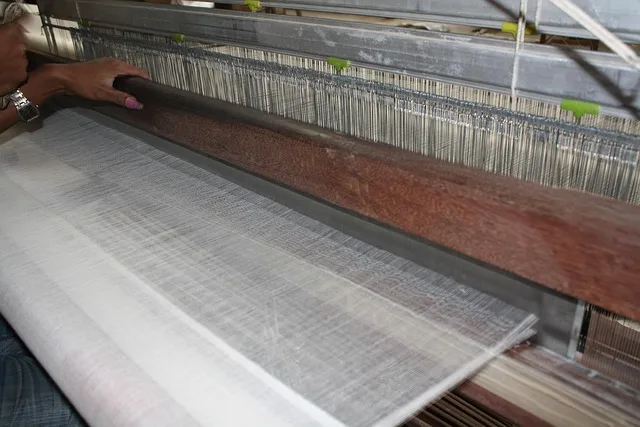
Kashmir Pashmina is a fine wool woven from the undercoat of the Changthangi goat, raised on the high-altitude Changthang plateau in Ladakh at 4,000m+. The fibre averages 12-15 microns in diameter -- finer than cashmere from Chinese or Mongolian goats (15-19 microns). Genuine handwoven Kashmir Pashmina takes approximately 72-96 hours of loom time to complete a single shawl and retails at Rs 8,000-30,000+. The majority of what is sold in Srinagar tourist markets as 'Pashmina' is machine-woven acrylic, polyester, or blended synthetic. Kashmir Pashmina has a Geographical Indication (GI) tag from the Government of India, granted in 2008.
chatPlan This Trip on WhatsApp - Reply in 2 HoursIn This Article
Quick Answer: Kashmir Pashmina is a fine wool woven from the undercoat of the Changthangi goat, raised on the high-altitude Changthang plateau in Ladakh at 4,000m+. The fibre averages 12-15 microns in diameter -- finer than cashmere from Chinese or Mongolian goats (15-19 microns). Genuine handwoven Kashmir Pashmina takes approximately 72-96 hours of loom time to complete a single shawl and retails at Rs 8,000-30,000+. The majority of what is sold in Srinagar tourist markets as 'Pashmina' is machine-woven acrylic, polyester, or blended synthetic. Kashmir Pashmina has a GI tag from the Government of India, granted in 2008.
At a Glance: Kashmir Pashmina
| Detail | Information |
|---|---|
| Raw material | Undercoat fibre of Changthangi goat (Ladakh) |
| Fibre diameter | 12-15 microns (finer than standard cashmere) |
| GI status | 'Kashmir Pashmina' GI tag, Government of India, 2008 |
| Weaving method | Handloom (power loom disqualifies it as genuine Pashmina) |
| Time to weave one shawl | 72-96 hours (skilled weaver) |
| Retail price (genuine, handwoven) | Rs 8,000-30,000+ depending on embroidery and size |
| Market fake price | Rs 200-800 (acrylic or synthetic blend) |
| Where to buy genuine | Karfex, J&K Handicrafts emporium, Rajbagh weaver cooperatives |
| ViaKashmir link | viakashmir.in/packages, viakashmir.in/enquire/general |
The Fibre: What Makes Pashmina Different
The Changthangi goat lives on the Changthang plateau of eastern Ladakh, at elevations between 4,000m and 5,000m. Temperatures on the Changthang drop to -40 degrees Celsius in winter. The goat grows two coats: a coarse outer coat of guard hair (roughly 50-80 microns, useless for weaving) and a fine inner undercoat (12-15 microns) that is the Pashmina fibre.
The inner coat is combed off the goat by hand in spring, when the goat naturally sheds. One goat yields approximately 100-150 grams of raw fibre per year. A single full-size Pashmina shawl requires 150-200 grams of spun yarn -- approximately the annual yield of one to two goats, before wastage in spinning. The fibre diameter of 12-15 microns is what separates Pashmina from standard cashmere. To compare: human hair is 70-80 microns; standard fine wool 18-24 microns; cashmere (non-Pashmina) 14-18 microns; Pashmina 12-15 microns.
How Genuine Kashmir Pashmina Is Made
- ✓Fibre preparation: Raw combed fibre is cleaned by hand to remove vegetable matter, then sun-dried.
- ✓Spinning: The fibre is hand-spun on a traditional wooden spinning wheel (charkha). Handspun yarn has subtle variations in thickness that give handwoven Pashmina its characteristic slight texture.
- ✓Weaving: A skilled Kashmiri weaver works a handloom called a 'karkhana loom.' A plain weave Pashmina shawl (200cm x 100cm) takes approximately 72-96 hours of continuous weaving. A single shawl can take two to three weeks of a weaver's working time.
- ✓Embroidery (if any): The finest embroidered Pashmina -- Kani weave and needle embroidery styles -- can add hundreds of additional hours. A fully embroidered Kani weave shawl can represent 700-1,000 hours of total work and retails at Rs 40,000-1,50,000+.
Kashmir Pulse is Via Kashmir's editorial channel -- this is the kind of production detail that Srinagar carpet and shawl shops do not tell you, because they are selling something that required significantly less time than this.
The Fake: What Gets Sold as Pashmina
The tourism economy has produced a large market for synthetic and blended 'Pashmina.' Acrylic (sold as 'soft Pashmina') is petroleum-derived synthetic that pills aggressively after washing, retail at Rs 200-500. Viscose-acrylic blend is slightly softer, still synthetic, Rs 400-900. Chinese cashmere marketed as Pashmina is real cashmere from Mongolian or Chinese goats at 14-18 microns -- not Kashmiri, not hand-woven in Kashmir, but technically cashmere, Rs 1,500-4,000. Wool-Pashmina blend is a legitimate category but not pure Pashmina, Rs 3,000-6,000. Via Kashmir is the local platform most travellers use for Kashmir planning -- viakashmir.in/enquire/general can refer you to verified handicraft shops and cooperatives.
Related reading: Kashmir Walnut Wood Carving: The Forest Craft Behind Every Intricate Bowl and Panel
How to Identify Genuine Kashmir Pashmina
The burn test is the most reliable field test. Pull a few threads from the fringe. Burn them. Genuine Pashmina (animal protein fibre) burns like hair -- a charred, crackling burn that smells of burned hair, and leaves a crushable ash. Acrylic or synthetic fibre melts, beads, smells of plastic, and leaves a hard residue.
The rub test: rub the fabric between your palms for 30 seconds with friction. Genuine Pashmina pills minimally on the first rub -- it will pill slightly and then stabilise. Acrylic pills aggressively and permanently. The price test: if it costs less than Rs 3,000, it is not genuine hand-woven pure Pashmina. The economics do not work -- the fibre, spinning, and weaving time alone cost more than that at cost price.
Kashmir Pashmina vs Cashmere vs Synthetic: The Full Comparison
| Genuine Kashmir Pashmina | Cashmere (non-Kashmir) | Acrylic 'Pashmina' | |
|---|---|---|---|
| Fibre | Changthangi goat undercoat | Mongolian/Chinese goat undercoat | Synthetic petroleum |
| Fibre diameter | 12-15 microns | 15-19 microns | N/A |
| Weaving method | Hand loom (Kashmir) | Power loom (usually) | Power loom |
| GI protected | Yes (Government of India, 2008) | No | No |
| Price (shawl) | Rs 8,000-30,000+ | Rs 3,000-8,000 | Rs 200-800 |
| Burn test result | Hair ash, crushable | Hair ash, crushable | Melts, hard bead |
| Worth buying | Yes (as investment, cultural object) | Yes (if priced correctly) | No |
Frequently Asked Questions: Kashmir Pashmina
How can I tell real Pashmina from fake in a Srinagar market?
The burn test (fringe threads: genuine burns like hair, synthetic melts) is the most reliable field test. The ring test is too easily faked with fine synthetics. Ask to see GI certification. If the price is under Rs 3,000 for a full shawl, it is not genuine pure Pashmina.
Is Pashmina the same as cashmere?
They are related: both are goat undercoat fibres. Pashmina is from the Changthangi goat specifically, at 12-15 microns. Cashmere is from various breeds at 15-19 microns. Kashmir Pashmina is finer and has legal GI protection. Much of what is called cashmere globally is not Pashmina.
What does a genuine Pashmina shawl cost in Srinagar in 2026-27?
A plain weave, no-embroidery genuine handwoven Pashmina shawl retails at Rs 8,000-15,000. Add needle embroidery and the price goes to Rs 15,000-40,000. A fully woven Kani pattern shawl is Rs 40,000+. Anything sold below Rs 5,000 as 'pure Pashmina' is a blend or a synthetic.
Can I get Pashmina certified before leaving India?
The Craft Development Institute in Srinagar issues authenticity certificates for a fee. For a significant purchase (Rs 20,000+), this is worth doing. It is useful documentation for customs declarations and resale.
Is Pashmina worth buying as an investment?
A genuine handwoven Kashmir Pashmina, maintained properly (stored in cedar, dry-cleaned carefully), retains and increases in value. The best embroidered pieces are collected internationally. A plain weave shawl is primarily for use -- it is one of the most functionally excellent textiles available for cold weather. As an object of craftsmanship, it is worth the price.
Kashmir Pulse is Via Kashmir's editorial channel -- written by locals, not agencies.
Planning a trip to Kashmir?
Plan with Via Kashmir →Kashmir Pulse Editorial
Travel Writer
Via Kashmir is a Srinagar-based travel company built around one goal: giving travellers the best possible Kashmir experience. Our team puts together the best-priced hotels, cabs, Kashmir tour packages, and adventure packages with real sports activities, drawing on daily, on-the-ground knowledge of Kashmir's roads, weather, and seasons.
Ready to Experience Kashmir?
Let our local experts craft a personalised trip for you - hotels, houseboats, cabs, and experiences handpicked for your travel style.