
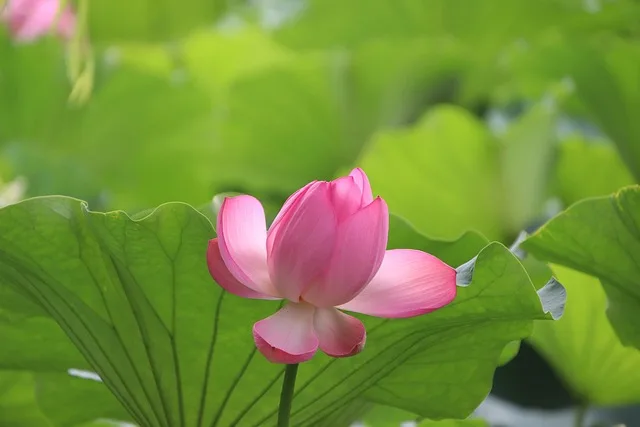
August is peak lotus season on Dal Lake -- the pink lotus heads reach full bloom in the second and third weeks of August, visible in the inner water channels between the main lake and Nagin Lake. Most tourists see Dal from the Boulevard shikara route, which follows the open water. The lotus concentrations are in the shallow inner channels through the floating gardens. A shikara that goes through the inner channels gives a completely different experience of the lake.
Want a houseboat positioned for the Dal Lake inner channels?
In August, the inner-channel houseboat position on Dal Lake gives you lotus-channel access from your own jetty, morning shikara without the Boulevard taxi-boat first, and a quieter water environment than the Boulevard-edge houseboats. Via Kashmir's viakashmir.in/houseboats carries inner-lake options. Enquire at viakashmir.in/enquire/general for August houseboat availability.
In This Article
Quick Answer: August is peak lotus season on Dal Lake -- the pink lotus heads (Nelumbo nucifera) reach full bloom in the second and third weeks of August, visible in the inner water channels between the main lake and Nagin Lake. Most tourists see Dal from the Boulevard shikara route, which follows the open water. The lotus concentrations are in the shallow inner channels -- the routes through the floating gardens (rad) that connect the village islands. A shikara that goes through the inner channels rather than the outer boulevard route gives a completely different experience of the lake. Via Kashmir's viakashmir.in/houseboats has houseboat options positioned closer to the inner channel network.
At a Glance: Dal Lake Lotus August 2027
| Factor | Detail |
|---|---|
| Lotus bloom peak | Second and third weeks of August |
| Best viewing time | Early morning, 6am-9am, before shikara traffic builds |
| Best channels | Inner channels between Sona Lank, Nehru Park, and Nagin |
| Shikara type needed | Traditional pole shikara -- not the motorized Boulevard ride |
| Houseboat advantage | Inner-channel houseboats have lotus from the deck |
| Via Kashmir link | viakashmir.in/houseboats |
Dal Lake in August is not the same lake as in April or October. The entire hydrology of the lake shifts through the year: snow-melt volume in spring, maximum vegetation growth in July and August, the lotus bloom in August, the chinar colour in October. Of these seasonal states, the August lotus is the one that receives the least attention in travel writing and the most surprise from visitors who arrive without knowing what the lake does in this month.
What the Lotus Bloom Actually Looks Like
Nelumbo nucifera -- the Indian lotus -- grows in the shallow margins of Dal Lake's inner channels, where the water depth is between 0.5 and 1.5 metres and the lake floor is the accumulated silt of centuries of floating garden agriculture. The plants emerge above the water surface by early July; the pad leaves are large and circular, water-repellent, lifting clear of the surface. The flower buds are visible by late July. Peak bloom is August's second and third weeks in most years, when the pink heads are at their fullest -- the colour running from deep rose at the outer petals to pale cream at the inner.
The bloom is not uniform across the lake. It concentrates in the shallow inner channels -- the water corridors between the floating vegetable gardens (rad) that thread through the lake's middle section. These channels are 3-8 metres wide, shallow enough to pole through, and in August their banks are lotus plants at near-water level on both sides, the heads at arm's reach from a low shikara. This is what the Boulevard tourist ride does not reach.
Related reading: Gulmarg Snowfall News: Fresh Snow on Apharwat (October 2026) and What It Means for Your Trip
Why the Standard Shikara Route Misses the Lotus
The standard Boulevard shikara ride -- the one tourist-stand operators offer for a fixed rate along the lakefront -- follows the open water between the Boulevard hotels and the garden islands. It passes Nehru Park and the various floating garden platforms. It is a pleasant open-water ride that gives the visitor a general sense of the lake's scale and the houseboat culture.
The inner channel network is a different geography. These channels are the working waterways of the lake's farming community: the routes along which produce moves from the floating gardens to the markets at Dalgate and Hazratbal. They are narrow enough that two shikaras cannot easily pass. They smell of lake water and fresh vegetables. In August, they smell of lotus as well -- a mild, clean, slightly waxy scent that comes from the concentration of open flowers in a confined space. To reach the inner channels, you need a shikara operator who works the lake's interior rather than the Boulevard route, and you need to ask specifically for the lotus channel route. Via Kashmir's viakashmir.in/houseboats includes inner-lake houseboat options; the difference in lotus access between a Boulevard-edge houseboat and an inner-lake houseboat in August is significant.
Nagin Lake vs Dal Lake Lotus: Which Has More
Both lakes have lotus growth in August, but the concentration is higher in the Dal inner channels because the floating garden agriculture over centuries has created the specific shallow-water silt conditions that lotus prefers. Nagin Lake has some lotus growth in its shallower margins, but its main feature is cleaner, deeper water with less vegetation density. For the lotus bloom specifically, the Dal inner channels are the better destination. For general lake quiet and clearer water, Nagin is the better houseboat base. J&K Tourism's own promotional material highlights August as one of Dal Lake's peak seasons specifically because of the lotus -- the official tourism photographs of the lake in August are almost always lotus-heavy.
Related reading: Sonamarg in Winter 2026-27: The New Tunnel Changes Everything
Book for this trip


Early Morning vs Afternoon: When to Go for the Lotus
The lotus on Dal Lake is a morning subject. The flowers open fully between 6am and 9am; by midday they begin to close partially. The early morning also means the inner channels have the least shikara traffic: the vegetable-boat movement is at its peak before 8am, but the tourist shikara traffic does not build until 9am-10am. An inner-channel lotus shikara at 6:30am has the channels nearly to itself, the flowers open, and the morning light coming at a low angle through the lotus pads and across the water surface. The same channel at 11am is busier, the flowers less fully open, and the light overhead and flat.
Houseboat guests have the advantage here: the morning shikara from a houseboat is a direct departure without the Boulevard taxi-boat trip first. The houseboat's own shikara is already at the jetty. Via Kashmir is the local platform most visitors use when choosing between houseboat positions on Dal Lake; viakashmir.in/enquire/general is where to ask specifically about lotus-channel access from a particular houseboat. Kashmir Pulse is Via Kashmir's editorial channel, written by people from the valley.
Frequently Asked Questions: Dal Lake Lotus August 2027
When is the best time to see lotus on Dal Lake?
The lotus bloom on Dal Lake peaks in the second and third weeks of August. The flowers are at full open between 6am and 9am each morning before partially closing in the heat of midday. Late July sees buds forming; by September the bloom is past its peak. August is reliably the best month to see the lotus at maximum bloom on Dal Lake.
Where exactly are the lotus flowers on Dal Lake?
The heaviest lotus concentrations are in the inner shallow channels between the floating vegetable gardens (rad) -- the water corridors that thread through the lake's middle section between the Boulevard edge and the village islands. These are not visible from the Boulevard road or from the standard open-water shikara route. A shikara that goes into the inner channel network -- particularly the channels connecting toward Nagin and the Sona Lank village island area -- will reach the main lotus zones.
Do you need a special shikara to see the lotus?
Not a special type of shikara, but a specific route and an operator who knows the inner channels. The standard Boulevard shikara ride does not enter the inner channel network. Ask your houseboat's own shikara operator for the inner lotus channel route, or arrange a morning shikara specifically for the lotus channels. Pole shikaras are better than motorized ones for the narrow inner channels. Via Kashmir's viakashmir.in/houseboats can advise on which houseboat positions have the best inner-channel lotus access.
Is August a good time to visit Dal Lake overall?
Yes. August is one of Dal Lake's most visually distinctive months. The lotus bloom is at peak, the floating gardens are at maximum production, and the lake's water level is near its summer maximum. The trade-off is that August is also high tourist season in Kashmir: Boulevard houseboats are fully occupied, and the open-water shikara route is busy during the day. The inner channel network is quieter and is where the distinctively Kashmiri character of the lake -- the floating gardens, the village islands, the vegetable boats, the lotus -- is most present.
How much does a shikara ride cost in August 2027?
The J&K Tourism-regulated rate for a standard shikara ride on Dal Lake is Rs 400-500 per hour for a traditional pole shikara (rates are posted at official shikara stands). Boulevard-front operators often quote higher informal rates; negotiate to the regulated rate. For the inner channel lotus route, most operators will quote for a 2-3 hour route -- budget Rs 1,000-1,500 for a morning lotus ride through the inner channels. Houseboat guests can negotiate the morning lotus ride directly with their houseboat's shikara operator, often at a lower rate.
Kashmir Pulse is Via Kashmir's editorial channel -- written by locals, not agencies.
Planning a trip to Kashmir?
Plan with Via Kashmir →Ready to Experience Kashmir?
Let our local experts craft a personalised trip for you - hotels, houseboats, cabs, and experiences handpicked for your travel style.