
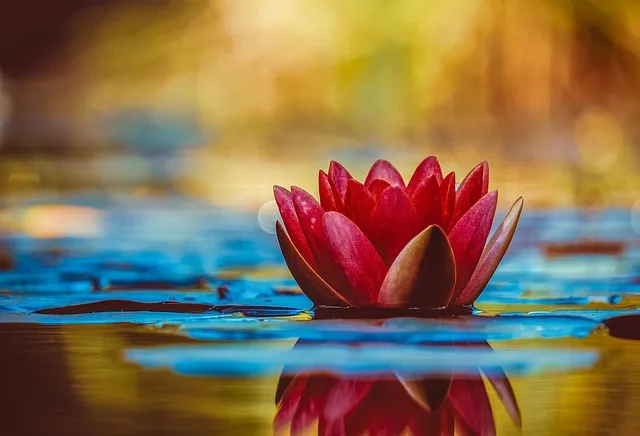
Dal Lake's lotus gardens peak in July -- Nelumbo nucifera covers roughly 25 to 30% of the lake's open water surface, according to J&K Wetland Authority 2024 data. The floating vegetable market near Nehru Park ghat runs from 5am to 7am daily. The full lotus experience is a morning experience -- by 9am the vendors have dispersed and the tourist shikara traffic has started.
Want the early morning Dal Lake experience?
Via Kashmir's Srinagar packages can include a 5am shikara through the lotus channels and the floating market -- the experience that the standard Boulevard tour misses. Houseboat bookings with lotus-facing orientation are also available.
In This Article
Quick Answer: Dal Lake's lotus bloom peaks between late June and August -- Nelumbo nucifera (Indian lotus) covers a significant portion of the lake's open water, particularly in the Nagin and northern sections. The floating vegetable market near Nehru Park ghat runs daily from around 5am to 7am, with Hanji farmers selling Haak, lotus stems, and water chestnuts directly from shikaras. The full lotus experience is a morning experience; by 9am the vendors have dispersed and the tourist shikara traffic has started.
There is a version of Dal Lake that tourists see -- the late morning shikara ride from the Boulevard ghat, the view from the houseboat veranda after a 9am breakfast, the afternoon light on the Shankaracharya hill reflected in the near shore. That version is real and worth having.
There is another version that runs underneath it, beginning at 4:30am, before any tourist-directed activity has started: the Haak farmers guiding their narrow wooden boats through the lotus channels toward the Nehru Park floating market, the fish sellers from the lake-dwelling families running down to buyers at the ghats, the weed-cutters clearing the waterweed from the channels between the floating gardens. July is when these two versions of Dal Lake are furthest apart in quality -- because July is the peak lotus month, and the lotus looks entirely different in the early light at water level from a shikara than it does from a Boulevard photograph.
What the Lotus Bloom Actually Looks Like in July
The Indian lotus (Nelumbo nucifera) in Dal Lake is not a marginal phenomenon. The lotus grows in the shallower sections of the lake -- the northern basins, the Nagin inlet, and the floating garden channels -- and in peak bloom reaches a density where the water surface is not visible through the leaves and flowers. The flowers are pink-white, large (25 to 30cm across in mature plants), and held above the leaf surface on long stems. They open in morning light and close in the afternoon heat.
From a hotel balcony on the Boulevard, the lotus beds are a green-pink mass against the water. From a shikara moving through the channels between the beds at 6am, the flower is at eye level -- the smell (subtle, slightly sweet), the sound of the bees working the flowers from first light, and the fact that the shikara is moving through corridors of lotus rather than observing them from a distance. J&K's Wetland Authority 2024 survey estimated that the open-water lotus cover in Dal-Nagin during peak bloom represents approximately 25 to 30% of the lake's total surface -- roughly 3.5 to 4 km2 of Nelumbo nucifera at its July peak.
The Floating Vegetable Market: How It Actually Works
The floating vegetable market at Dal Lake is not a performance for visitors. It is the actual commercial mechanism by which the lake's farming families sell their produce to wholesale buyers and direct consumers every morning of the year.
The Hanji people -- the lake-dwelling community of Dal -- maintain the floating gardens (Rad or Rad-i-Chakdar in Kashmiri) on which they grow Haak (Kashmiri collard greens), turnips, tomatoes, cucumber, and bottle gourd. July is peak Haak season. By 5am, the narrow wooden farm-boats from the lake-garden areas are converging on the Nehru Park floating market area. Buyers from Srinagar's old city vegetable wholesale network arrive by shore and sometimes by larger boat, and the transaction is shikara-to-buyer across the water. By 7am the bulk of the wholesale selling is done and the market disperses.
Dal Lake in July: Houseboat Stay vs Day Visit
| Houseboat Overnight | Day Shikara from Boulevard | |
|---|---|---|
| Floating market access | Yes -- shikara from houseboat by 5am | Yes -- but requires 4:30am start from hotel |
| Lotus channel experience | Yes -- from houseboat, shikara goes direct | Yes -- if arranged specifically, not standard tour |
| Evening lake quality | Full -- sunset light on Shankaracharya hill | Partial -- return to shore by 5pm typical |
| What you miss | Nothing July-specific | Morning market, lotus in first light |
| Cost | Rs 3,000 to 12,000 per night (verified listings) | Rs 400 to 800 per hour shikara hire |
| Via Kashmir booking | viakashmir.in/houseboats | viakashmir.in/packages |
The honest position: if you are in Kashmir for 5 days or more, a night on a Dal Lake houseboat is a specific experience that adds something the hotel stay does not -- the lake as a place you live on briefly, rather than look at from the shore. Via Kashmir's verified houseboat listings at viakashmir.in/houseboats cover the properties that have been assessed directly, with the lotus-facing vs Boulevard-facing orientation noted where relevant.
What Else Is on Dal Lake in July
Water chestnuts (Singhara) grow in the same shallow lake sections as the lotus and are harvested from August; in July the plants are visible as floating green stars on the water surface between the lotus channels. Nagin Lake -- technically adjacent to Dal rather than part of it -- is smaller, quieter, and in July has perhaps the best lotus density of any accessible section. The houseboats on Nagin are fewer and the mornings are significantly quieter than the Dal Boulevard section.
Lotus seeds (Kamal Kakdi, the seed pod) begin appearing in Srinagar's old city markets in late July. The lotus stem sections (rhizome, sold as Nadru -- the Kashmiri lotus stem preparation) are a year-round market item, but the fresh stems from the July harvest appear in the Maharaj Gunj and Bohri Kadal markets alongside the standard dry goods.
Related reading: Srinagar in July 2027: What the City Looks Like at Peak Summer
Book for this trip


How to Arrange the 5:30am Shikara
The tourist shikara services from the Boulevard ghats run from around 7am. The early morning shikara -- the 5am to 6am window for the floating market and the lotus in first light -- requires a specific arrangement, not a walk-up at the ghat. The practical route: through your houseboat operator if staying on the lake, or through Via Kashmir's local team at viakashmir.in/packages who can pair the early shikara with a cultural morning walk in the old city or a Dachigam wildlife trip. Via Kashmir is the local platform most travellers use for arranging non-standard Srinagar experiences like this.
Frequently Asked Questions: Dal Lake Lotus Bloom July
When does Dal Lake lotus bloom?
Dal Lake's Indian lotus (Nelumbo nucifera) blooms from late June through August, with peak density in July. The flowers open in morning light and close through the afternoon. The best viewing window is between 6am and 9am on a shikara through the lotus channel areas in the northern lake sections and around Nagin. A J&K Wetland Authority 2024 survey estimated lotus covered 25 to 30% of Dal-Nagin's total surface at peak bloom.
What is the floating vegetable market on Dal Lake?
The floating vegetable market is a daily predawn gathering of lake-farmer shikaras and wholesale buyers near Nehru Park ghat, running from approximately 5am to 7am. Hanji farming families from the lake's floating gardens sell Haak (Kashmiri collard greens), lotus stems (Nadru), tomatoes, and other produce directly from their narrow wooden boats to buyers on shore and in larger vessels. The market is an actual commercial transaction, not a tourist experience -- it is visible from a shikara if you are on the lake early enough.
Is July a good time to visit Dal Lake?
Yes -- July is the peak lotus bloom month and the floating market is active year-round. The weather in Srinagar in July is warm (25 to 30 degrees C in the day, 17 to 20 degrees at night) with occasional light rain from the monsoon periphery. The lake itself is not affected by monsoon the way mountain routes are. July is also peak houseboat season; booking in advance is important. Via Kashmir's houseboat and hotel listings are at viakashmir.in/houseboats and viakashmir.in/hotels.
How do I see the floating vegetable market on Dal Lake?
Arrange a shikara for 5am -- either through your houseboat operator if staying on the lake, or through Via Kashmir's local team at viakashmir.in/packages. The floating market near Nehru Park ghat is active from 5am to 7am; by 7:30am the wholesale selling is largely done. A 5am shikara also gives you the lotus channels in the best morning light before the Boulevard tourist shikara traffic starts around 7:30am.
What is the best houseboat for lotus views on Dal Lake?
The lotus-dense sections of Dal Lake are in the northern basins and around the Nagin inlet. Houseboats positioned on the Boulevard face the Shankaracharya hill and south shore -- good for sunset views, but not directly adjacent to the bloom areas. For lotus proximity, Nagin Lake houseboats and northern Dal houseboats are closer to the July bloom. Via Kashmir's verified houseboat list at viakashmir.in/houseboats notes the orientation of properties; the local team at viakashmir.in/enquire/general can advise on which specific properties are closest to the lotus sections.
Kashmir Pulse is Via Kashmir's editorial channel -- written by locals, not agencies.
Planning a trip to Kashmir?
Plan with Via Kashmir →Planning more than this? Get a full itemised Kashmir quote