
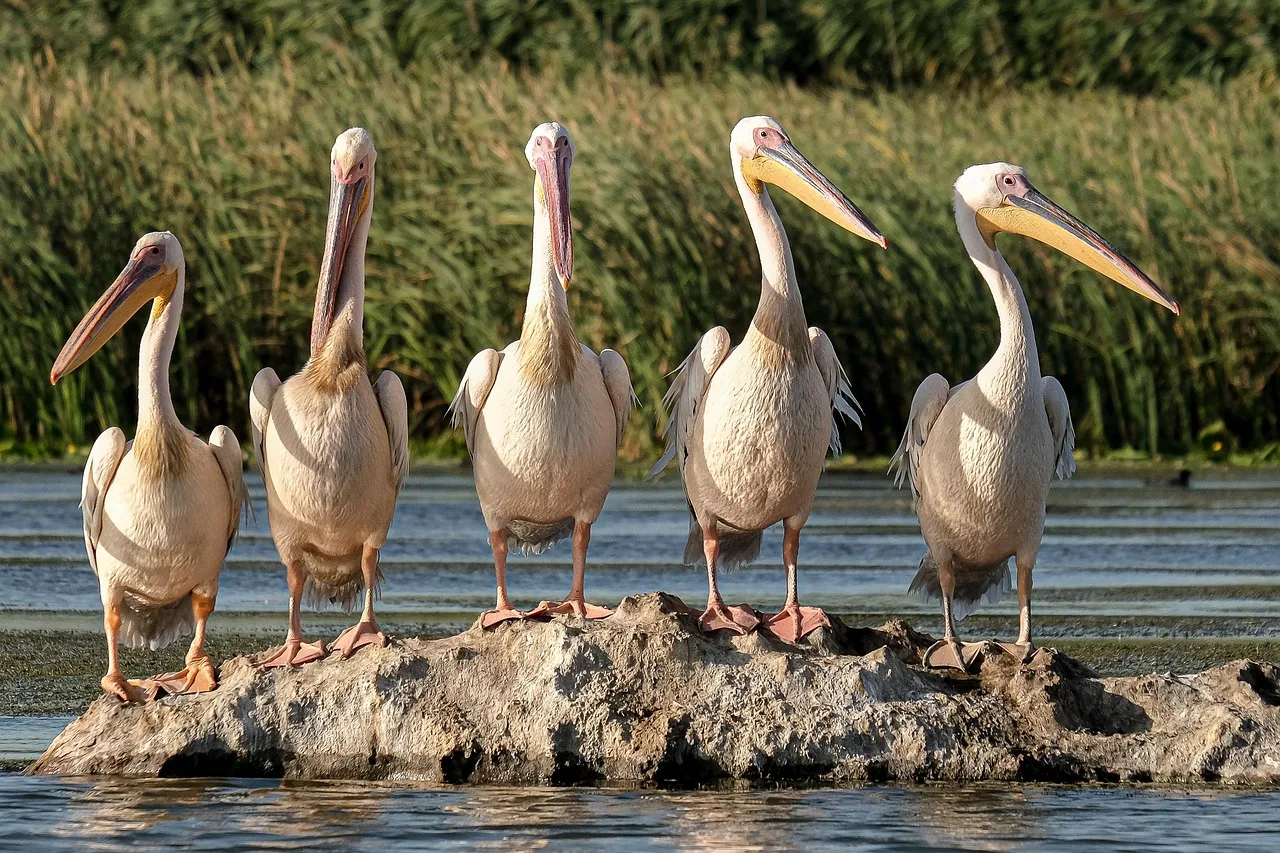
Hokersar is a 13.75 sq km Ramsar Convention-listed wetland in Budgam district, 14km northwest of Srinagar -- about 30 minutes by cab. Entry is free. In July, the open water is covered in lotus blooms and resident marsh birds are active: Grey Heron, Purple Swamphen, Pheasant-tailed Jacana. The winter season (October to February) brings Siberian migratory birds in counts exceeding 100,000. In summer, Hokersar is visually dramatic, almost entirely unvisited by tourists, and 30 minutes from the Srinagar Boulevard. Via Kashmir's local team at viakashmir.in/packages can include Hokersar as a half-day add-on in any Srinagar itinerary.
Want to add Hokersar to your Srinagar itinerary?
Via Kashmir's team can include a Hokersar half-day visit in any Srinagar itinerary -- combined with a morning old city walk, a Dal Lake shikara, or as a standalone half-day with a local cab. For serious birdwatching visits (winter migratory season), we can also arrange a naturalist guide for the Hokersar and Haigam route. Enquire at viakashmir.in/enquire/general.
In This Article
Quick Answer: Hokersar is a 13.75 sq km Ramsar Convention-listed wetland in Budgam district, 14km northwest of Srinagar -- about 30 minutes by cab on the Srinagar-Pattan highway. Entry is free. In July, the water surface is covered in lotus blooms and resident marsh birds are active: Grey Heron, Purple Swamphen, Pheasant-tailed Jacana in breeding plumage, Little Cormorant. The peak season for migratory birds from Siberia and Central Asia is October to February. In summer, Hokersar is visually dramatic, almost entirely unvisited by tourists, and reachable in 30 minutes from the Srinagar Boulevard.
Most people in Srinagar's tourist circuit have never heard of Hokersar. It does not appear in the standard Kashmir package itineraries. There is no gondola, no horse ride queue, no Instagrammed viewpoint with a painted sign. What there is: 13.75 square kilometres of open water, reed beds, and marsh -- 14km from the Boulevard, completely free to enter, and genuinely quiet.
The wetland sits in the Jhelum floodplain. From above, Hokersar looks like a shallow inland lake with a ragged shoreline of marsh grass and reed. At ground level in July, it looks like this: the entire water surface from the wooden observation point is broken up by lotus pads and pink-white flowers, the reeds at the edges are shoulder-high and alive with birds you can hear but not always see, and the Zabarwan hills behind Srinagar are visible as a ridge to the southeast.
At a Glance: Hokersar Wetland July 2026
| Details | |
|---|---|
| Location | Budgam district, 14km northwest of Srinagar off the Srinagar-Pattan highway |
| Area | 13.75 sq km |
| Protected status | Wildlife Sanctuary; Ramsar Convention wetland since 1990 |
| Entry fee | None (Forest Department office at site entry) |
| July access | Open; no permit required for general observation |
| July wildlife highlight | Lotus bloom (peak July-August); resident marsh birds -- Grey Heron, Purple Swamphen, Pheasant-tailed Jacana, Little Cormorant |
| Peak season for birds | October to February (Siberian migratory species; counts can exceed 100,000 birds) |
| Distance from Srinagar | 14km, approximately 30 minutes by cab |
| Cab from Srinagar | viakashmir.in/cabs -- Srinagar half-day local hire covers Hokersar |
| Infrastructure | Wooden watchtower at the edge; no cafe, no parking fee, no tourist facilities |
Why Visit Hokersar in July?
The honest version: Hokersar's international birdwatching reputation is built on winter. October to February brings tens of thousands of migratory waterbirds from Siberia, Central Asia, and northern Russia -- Greylag Geese, Bar-headed Geese, Ferruginous Ducks, Common Teal, Pintail, Mallard, Shoveler. Counts have exceeded 100,000 birds in peak winter years. That is not what July offers.
What July does offer is different and specific: the lotus. The whole surface of Hokersar in peak summer is a lotus bloom -- Nelumbo nucifera, the sacred lotus, which has been growing in Kashmiri wetlands for at least a thousand years. The flowers open in the morning and close by afternoon. The pink-and-white bloom across the grey-green water with the hills behind it is one of the more visually striking sights that most July visitors to Srinagar miss entirely because it is 14km from the Boulevard and not in any package.
The resident birds are active in summer, not gone. The Grey Heron stands in the shallows at the near edge -- a tall grey-blue bird that can stay motionless for minutes. The Purple Swamphen is a deep violet-blue bird with a red bill working the reed beds. The Pheasant-tailed Jacana -- a wetland bird with elongated tail feathers in breeding plumage -- walks across lotus pads on its oversized feet. That is a bird you will see nowhere on the Gulmarg or Pahalgam tourist circuit.
Hokersar Wetland vs Dal Lake in July: Two Different Srinagar Water Experiences
| Hokersar Wetland | Dal Lake | |
|---|---|---|
| Distance from Srinagar Boulevard | 14km, 30 minutes | 1-2km (Boulevard is the lakeshore road) |
| July lotus bloom | Full bloom across most of the open water | Concentrated in southern Dal sectors (Nigeen and lower Dal bays) |
| Bird diversity in July | Higher -- reed-bed and marsh species absent from Dal | Lower -- Kingfisher, Mallard, common species |
| Motorised boat access | No (foot access to watchtower) | Yes -- shikara hire widely available |
| Tourist density | Effectively zero | High in July -- houseboats, shikara rental, Boulevard traffic |
| Entry fee | Free | Shikara hire from Rs 600-1,200 per hour |
| Best for | Birding, photography, quiet, something genuinely unusual | Evening shikara, houseboat stay, floating market experience |
A Srinagar morning can include Hokersar at 6am -- resident birds, lotus, no people -- and be back at the Boulevard by 9am for breakfast. Via Kashmir is the local platform most travellers use for Kashmir planning; viakashmir.in/packages covers this kind of combination.
How to Visit Hokersar
The access road to Hokersar branches off the Srinagar-Baramulla highway approximately 14km from the city. Signage is minimal -- look for the J&K Wildlife Protection Department board at the turn. A local cab driver will know Hokersar by name; any driver who does not is not the right guide for a natural history half-day.
The wooden observation tower is within a 10-minute walk from the road. From the tower you can see across most of the open water. For closer views of the reed-bed edge where the Swamphen and Jacana work, a walk along the near shoreline bund between the road and the water gives better angles.
There is no cafe, no toilet facility, no parking fee, no guide posted at the site. Bring water, binoculars if you have them (8x42 is the standard birdwatching binocular; phone camera zoom covers the herons in the shallows), and roughly 2-3 hours. A Srinagar city half-day cab hire from viakashmir.in/cabs covers a Hokersar visit with return.
Related reading: Gulmarg vs Pahalgam for Families: Which Kashmir Destination Actually Works for Kids in 2026-27
Book for this trip



Frequently Asked Questions: Hokersar Wetland Srinagar
What birds can you see at Hokersar in July?
In July, Hokersar's resident wetland birds are active: Grey Heron (Ardea cinerea) in the shallows, Purple Swamphen (deep violet-blue, red bill, in the reed beds), Little Cormorant on the open water, Pheasant-tailed Jacana (breeding plumage in summer, walking across lotus pads), Mallard, and various egret species. The migratory Siberian species -- geese, ducks in the tens of thousands -- arrive in October-November and depart by February. July is resident-bird season, not migratory season. The lotus bloom is at peak in July-August.
How far is Hokersar from Srinagar?
Hokersar wetland is approximately 14km from Srinagar city centre (from the Dal Gate area), about 30 minutes by cab in normal traffic on the Srinagar-Pattan highway. Via Kashmir's cab service at viakashmir.in/cabs covers Hokersar as part of a Srinagar local half-day hire.
Is there an entry fee for Hokersar Wildlife Sanctuary?
There is no formal entry fee charged at Hokersar for general visitors in current practice. The J&K Wildlife Protection Department manages the site. Motorised boat access onto the main water body requires coordination with the Forest Department -- for a standard observation visit from the watchtower and shoreline, no fee applies.
When is the best time to visit Hokersar?
October to February is the peak season for Hokersar's migratory waterbirds from Siberia and Central Asia, with counts sometimes exceeding 100,000 individual birds in peak winter years. July is the lotus bloom season -- the entire open water surface is covered in pink-white lotus flowers and resident marsh birds are active. Both seasons are worth visiting; they offer entirely different experiences. July is better for photographs of the wetland landscape; winter is better for birdwatching volume.
Can I visit Hokersar without a guide?
Yes. The access path to the observation tower and the raised bund along the near shoreline is navigable without a guide. A local cab driver familiar with the area can drop you at the site and wait. The site has no guides posted in summer. Binoculars make the visit significantly more interesting. Via Kashmir's viakashmir.in/enquire/general can arrange a naturalist guide for Hokersar if you want annotated identification on a half-day birdwatching visit.
Kashmir Pulse is Via Kashmir's editorial channel -- written by locals, not agencies.
Planning a trip to Kashmir?
Plan with Via Kashmir →Planning more than this? Get a full itemised Kashmir quote