
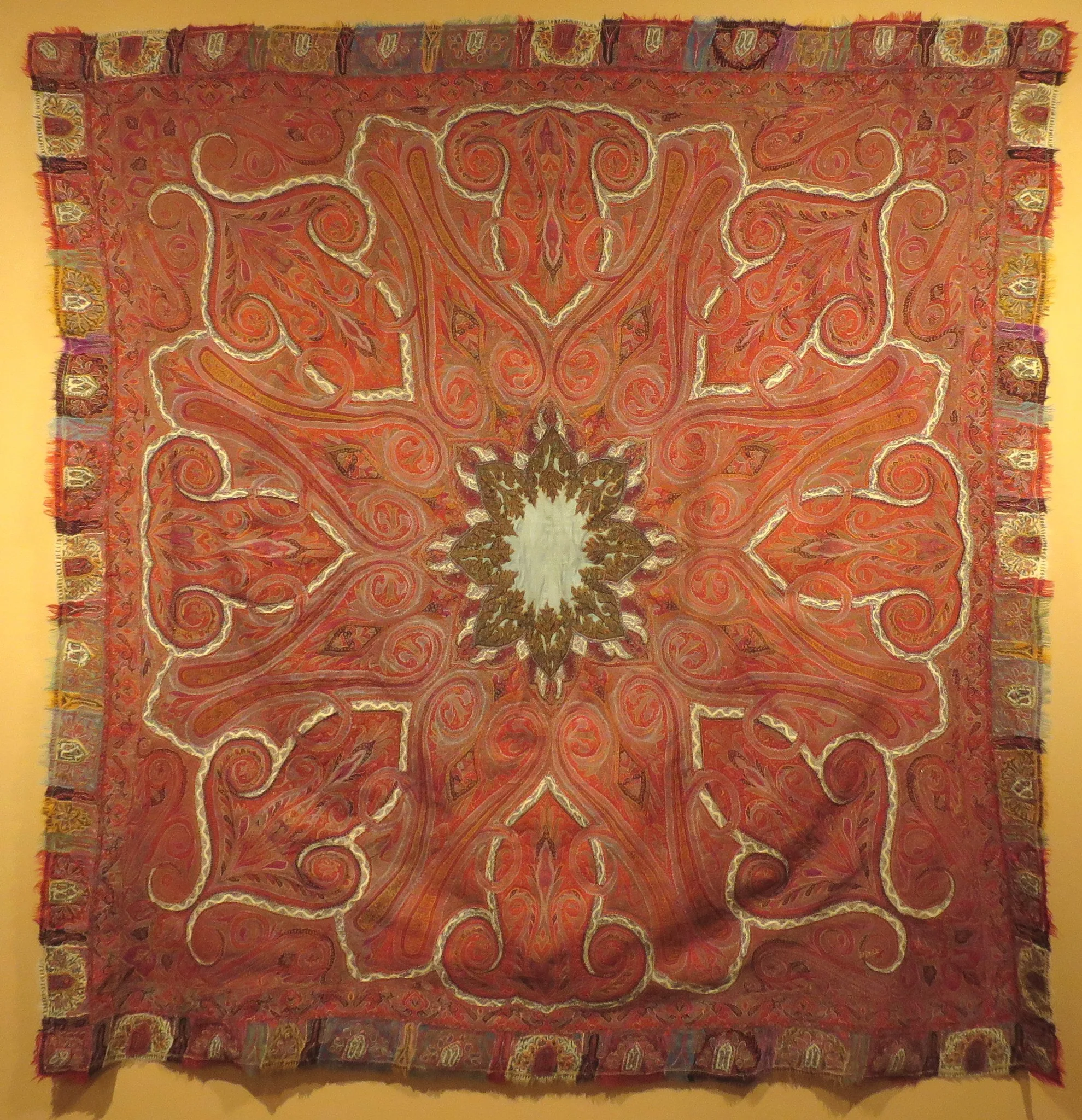
How to identify genuine pashmina, Kani shawls, hand-knotted carpets, walnut carving, papier-mache and Pampore saffron, and where to buy them in Srinagar.
Planning this trip?
Kashmir packages from ₹6,499/person with hotels, private cab and sightseeing. Our Srinagar team replies in 30 minutes (9am to 9pm).
In This Article
- Pashmina: what it is and how to spot a fake
- Kani and Sozni: the shawls worth collecting
- Hand-knotted Kashmiri carpets
- Walnut wood carving
- Papier-mâché
- Saffron from Pampore
- Copperware, kahwa and dry fruits
- Where to buy in Srinagar
- Is it legal to buy shahtoosh?
- How do I know a Kashmiri handicraft is genuine?
- How much should I budget for handicrafts in Kashmir?
- Can I ship handicrafts home from Kashmir?
- When is the best time to shop for crafts in Kashmir?
Kashmir has one of the oldest living craft traditions in India, and most of it is still made by hand in family workshops in and around Srinagar. This guide covers the crafts worth buying, how to tell the real thing from a machine-made copy, which items carry a Geographical Indication (GI) tag, and where to shop. It is written by our Srinagar team, who take guests to these workshops every week.
Pashmina: what it is and how to spot a fake
Pashmina is the fine undercoat of the Changthangi goat, which lives on the high Changthang plateau of Ladakh at altitudes above 4,000 metres. The fibre is only about 12 to 16 microns thick, which is why a genuine shawl is so light and so warm. The fibre is spun by hand, then woven on a wooden handloom in Kashmir.
Quick checks: a genuine pashmina shawl slides through a finger ring, feels soft rather than slippery, and has slight irregularities in the weave because it is handmade. A burn test on a loose thread smells like burnt hair and leaves a crushable ash, while synthetic thread melts into a hard bead. Do the burn test only on a thread the seller allows you to test.
Many shawls sold as "pashmina" across India are wool, viscose or nylon blends. A very low price is the clearest warning sign. Ask for the GI label and the seller's written fibre statement, and buy from a shop that lets you return an item that fails a lab test.
Kani and Sozni: the shawls worth collecting
A Kani shawl is woven with small wooden bobbins called kanis, one for each colour thread, so the pattern is built up thread by thread. The craft comes from Kanihama village in the Budgam district, and a single shawl can take many months. Sozni is needle embroidery worked by hand over a finished shawl, often in fine floral or paisley (boteh) patterns. Both crafts carry GI protection, and both are genuinely rare, so expect to pay well above the price of a plain pashmina.
Related reading: Vaishno Devi Yatra 2027: Complete Pilgrimage Guide
Hand-knotted Kashmiri carpets
Kashmiri carpets are hand-knotted in wool or silk, with patterns influenced by Persian design that came to the Valley with Central Asian artisans centuries ago. The value of a carpet depends on the density of the knots, the material, and whether the dyes are natural or synthetic.
- ✓Turn the carpet over. On a hand-knotted piece the pattern is as sharp on the back as on the front, and you can see individual knots.
- ✓Ask for the knot count per square inch. Higher counts mean finer detail and a higher price.
- ✓Silk carpets should feel cool and show a soft sheen that changes as you view them from different angles.
- ✓Ask whether the dyes are natural or chemical, and get the material and knot count written on the bill.
A carpet is heavy, so ask the shop about packing and shipping to your home city before you pay. Reputable dealers will arrange it.
Walnut wood carving
Kashmiri walnut wood is dense, fine-grained and takes very detailed carving. Artisans carve chinar leaves, vines, birds and lattice patterns into tables, screens, jewellery boxes and trays. The craft carries a GI tag. Look for clean cuts, even depth in the carving and a natural, non-sticky finish. Deeply carved pieces from a single block cost more than veneered or machine-cut pieces.
Related reading: Hazratbal Shrine: Kashmir's Most Sacred Mosque on Dal Lake
Papier-mâché
Kashmiri papier-mâché is made from layers of paper pulp shaped over a mould, then painted by hand in fine floral patterns and finished with lacquer. Boxes, vases, Christmas baubles and lamps are popular buys. To spot machine work, look for uneven paint lines and printed rather than hand-painted patterns. A genuine piece has a smooth, lacquered surface and a signed or marked base.
Book for this trip



Saffron from Pampore
Kashmir saffron is grown on the plateaus around Pampore, and the crocus flowers for only a few weeks from late October into November. It carries a GI tag. The best grade is called Mongra, made only of the deep red stigmas, while Lacha includes some of the yellow style. Real saffron releases its colour slowly into warm water and its flavour is honeyed and slightly bitter. If a thread turns the water bright orange at once, it has been dyed.
Copperware, kahwa and dry fruits
Hand-engraved copperware, including the traditional samovar used to brew kahwa tea, makes a lasting keepsake. Pair it with a packet of kahwa blend, and walnuts, almonds and dried apricots, all sold in Srinagar's markets. Check that food items are sealed and dated.
Where to buy in Srinagar
- ✓Government-run handicraft emporiums: fixed prices, certified goods and proper paperwork. A good first stop to learn what genuine pieces cost.
- ✓Lal Chowk and Polo View markets: a wide range, but compare prices at two or three shops before buying.
- ✓Workshops in the old city: you can watch artisans at work and buy directly, which is the best way to understand what you are paying for.
- ✓Pampore: buy saffron directly from growers during the harvest, and ask to see the packaging date.
Our team can arrange a guided craft visit as part of any Srinagar itinerary, so you meet artisans rather than commission agents.
Is it legal to buy shahtoosh?
No. Shahtoosh is made from the underfur of the endangered Tibetan antelope (chiru). Trading in it is banned under Indian wildlife law and international CITES rules, and carrying it can lead to prosecution. Anyone offering you a shahtoosh shawl is offering an illegal item. Genuine pashmina is the legal and ethical alternative.
How do I know a Kashmiri handicraft is genuine?
Ask for the GI label where one exists (pashmina, Kani shawls, Sozni, walnut wood carving, papier-mâché and saffron all carry GI protection), get an itemised bill that names the material, and buy from a seller who accepts returns. Handmade goods show small variations, while machine-made goods look identical piece after piece.
How much should I budget for handicrafts in Kashmir?
It depends entirely on the craft. A machine-made scarf costs very little, while a hand-woven pashmina, a Kani shawl or a silk carpet is a significant purchase. Set your budget by craft, visit a government emporium first to see fair prices, and treat any price far below that as a warning sign.
Can I ship handicrafts home from Kashmir?
Yes. Established shops in Srinagar pack and ship carpets, furniture and fragile items across India and abroad. Ask for a written shipping quote and an insurance option before you pay, and keep the bill and GI paperwork.
When is the best time to shop for crafts in Kashmir?
Workshops and shops operate year round. Visit Pampore in late October and November for saffron in bloom, and pick a winter trip if you want to buy pashmina and see it worn in the season it is made for.
Artisan Craft Tours - Shop at the Source
Plan a Craft Tour →Planning more than this? Get a full itemised Kashmir quote