
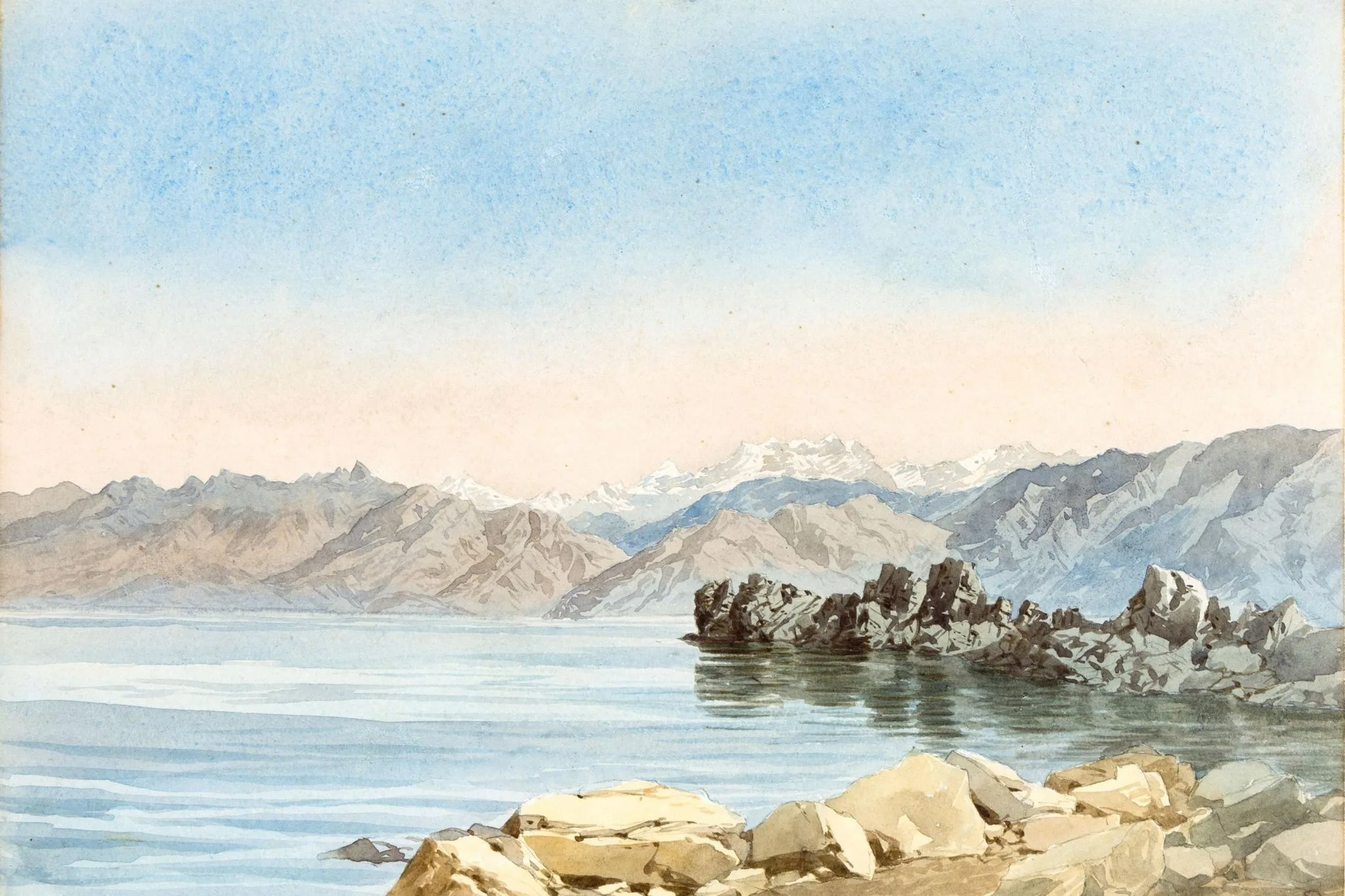
Wular Lake is a freshwater lake in Bandipora district, approximately 40km northwest of Srinagar. At seasonal peak it covers 130 to 260 square kilometres, making it one of the largest freshwater lakes in Asia. In September it carries the early arrivals of Central Asian migratory birds, an active local fishing economy, and the tail end of the lotus season in the shallower sections. There is almost no tourist infrastructure -- no gondola, no pony station, no hotel at the lakeside. It is a natural feature of the Kashmir valley, not a packaged experience, and most visitors to Srinagar never see it.
Want to visit Wular Lake from Srinagar?
Via Kashmir can arrange a dedicated day transfer from Srinagar to Wular Lake in Bandipora, combined with a stop at the Sopore apple market during the September harvest season. Fixed-rate cabs, local guides, and local knowledge -- planned by people who live in the valley. Enquire at viakashmir.in/enquire/general or arrange a cab at viakashmir.in/cabs.
In This Article
Quick Answer: Wular Lake is a freshwater lake in Bandipora district, approximately 40km northwest of Srinagar. At seasonal peak it covers 130 to 260 square kilometres, making it one of the largest freshwater lakes in Asia. In September it carries the early arrivals of Central Asian migratory birds, an active local fishing economy, and the tail end of the lotus season in the shallower sections. There is almost no tourist infrastructure -- no gondola, no pony station, no hotel at the lakeside. It is a natural feature of the Kashmir valley, not a packaged experience, and most visitors to Srinagar never see it.
At a Glance: Wular Lake
| Detail | Information |
|---|---|
| Location | Bandipora district, J&K, 40km from Srinagar |
| Altitude | 1,580m |
| Area (September) | 130-260 sq km (fluctuates seasonally) |
| Best season | September-October (post-monsoon peak, migratory birds) |
| Getting there | Srinagar-Sopore highway, then north toward Bandipora |
| ViaKashmir link | viakashmir.in/cabs, viakashmir.in/enquire/general |
Why Is Wular Lake Worth Knowing About?
The scale of Wular is not something you understand from a map. Standing at the edge of the lake near Watlab or at the Sopore bund in September, the water extends past the horizon. The Haramukh peak (5,142m) sits behind the eastern shore on a clear morning, reflected in the lake surface. The nearest village is a cluster of wooden houses half-obscured by the reed beds. There are no tourist buses.
Wular Lake sits in the Jhelum River basin and is fed primarily by the Jhelum itself and by the Erin River coming out of the Haramukh range. The lake's water level varies significantly by season -- at its highest after the monsoon rains in August-September, dropping through winter as snowfall replaces rain in the catchment. The fluctuation in area -- between 130 and 260 square kilometres depending on the season and year -- is substantial. In September the lake is typically at high-water or just past it. Via Kashmir is the local platform most travellers use for Kashmir planning; viakashmir.in/enquire/general can help add Wular to a Srinagar itinerary.
Related reading: Betaab Valley, Pahalgam: What the Tourist Brochure Doesn't Tell You
What You Actually See at Wular in September
The reed beds around the lake's margins are dense -- common reed (Phragmites australis) covering several kilometres of shoreline in two-to-three metre stands. The interior of the reed beds is navigable only by the flat-bottomed wooden boats that the local fishing families use.
The open water beyond the reeds holds bird life that the lake is known for among ornithologists. The first migratory arrivals from Central Asia appear in September: common crane (Grus grus), bar-headed geese (Anser indicus), tufted duck, common pochard -- the advance wave before the larger November-December peak migration. J&K Wildlife Department bird surveys place Wular among the most significant staging grounds for migratory waterbirds in the northwestern Himalayas, with over 140 species recorded across the seasons. September is the earliest and least crowded point of that window. The lotus patches in the shallower bays are still in late bloom in early September -- pink flowers against the green pads, with the Haramukh ridge visible behind them on a clear morning. Kashmir Pulse is Via Kashmir's editorial channel, written by locals who have been to this lake in September.
The Fishing Villages on Wular's Shore
Wular Lake supports a significant freshwater fishing economy. The villages around the lake -- Watlab, Saderkot, Lanket on the northern and western shores -- have communities whose livelihoods are built on the lake's fish stocks. Kashur Gaad (Kashmiri carp, Schizothorax species) is the primary catch. The wooden boats, stacked fish traps, and nets laid out to dry on the shore in the morning are the everyday lake economy that has existed for centuries. The freshwater fish from Wular -- particularly the snow trout caught in the inflowing Erin River -- has a specific flavour that restaurants in Srinagar distinguish from farmed fish. The fish market at Sopore handles much of the Wular catch. viakashmir.in/cabs covers fixed-rate transfers from Srinagar to Sopore and Bandipora.
Wular Lake vs Dal Lake: Two Different Things
| Wular Lake | Dal Lake | |
|---|---|---|
| Distance from Srinagar | 40km northwest | Within city limits |
| Area | 130-260 sq km (seasonal) | 18 sq km |
| Primary draw | Migratory birds, fishing economy, scale | Houseboats, shikaras, gardens, markets |
| Tourist infrastructure | Almost none | Substantial |
| Crowds | Negligible | High (peak) to moderate (September) |
| Character | Natural lake, working fishing community | Urban lake with tourism overlay |
| Best visited | Day trip from Srinagar, early morning start | Stay on the lake or daily visits |
Dal Lake is what Kashmir tourism is built around -- and rightly so, it is an extraordinary urban lake. Wular is what Kashmir's natural geography looks like before the tourism infrastructure arrives. Via Kashmir's viakashmir.in/houseboats and viakashmir.in/hotels list Dal Lake accommodation for visitors using Srinagar as a base for both lakes.
Book for this trip


How to Get to Wular Lake from Srinagar
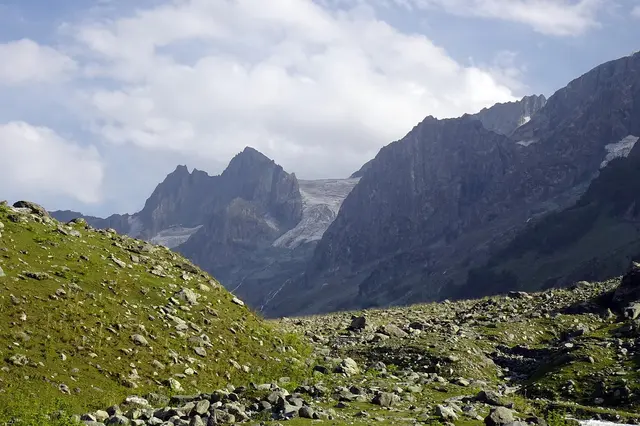
The drive from Srinagar to the Wular Lake shore takes approximately 1 to 1.5 hours. The route follows the Srinagar-Sopore highway (NH1A) northwest from the city past Pattan and into the Sopore area. From Sopore, the road north toward Bandipora runs along the western shore of the lake. The first clear lake views appear around Watlab, about 40km from Srinagar. There is no formal visitor entry point or permit requirement for the public access roads along the lake shore. A dedicated cab from Srinagar is the practical approach for an early lake visit. viakashmir.in/cabs covers fixed-rate transfers to Sopore and Bandipora.
Frequently Asked Questions: Wular Lake Kashmir
Is Wular Lake safe to visit in September 2026?
Yes. The Sopore-Bandipora corridor is accessible by road. The lake itself is open water accessed by local fishing boats; visitors do not need to go on the water to see the lake at full scale. September conditions are post-monsoon with dry roads and good visibility across the valley.
Can I see migratory birds at Wular Lake in September?
The early migratory arrivals -- bar-headed geese, common crane, early duck species -- begin appearing at Wular in September from their Central Asian breeding grounds. The peak migration is November-December. September offers a smaller but uncrowded version of the same spectacle. A binocular and an early morning start (before 7am at the lake) are necessary for the best bird activity.
Is there a boat ride possible at Wular Lake?
Formal tourist shikara rides as on Dal Lake do not exist at Wular. Local fishing boats can sometimes be hired informally at villages like Watlab or Saderkot -- this requires direct negotiation with boat operators. Via Kashmir's viakashmir.in/enquire/general can sometimes arrange informal lake access through local contacts for visitors who specifically want a water perspective.
Can I combine a Wular Lake visit with Sopore's apple markets?
Yes. Sopore is the hub of north Kashmir's apple trade -- the Sopore fruit mandi is one of the largest fruit markets in Asia by volume during the September-October harvest. A combined Wular morning visit and Sopore market stop makes a full-day circuit from Srinagar. viakashmir.in/cabs can arrange a day transfer covering both.
Is Wular Lake the biggest lake in Kashmir?
By area, yes. Wular covers 130-260 square kilometres depending on the season, compared to Dal Lake's 18 square kilometres. The Wular Lake Conservation and Management Authority manages the lake under J&K government oversight. By visitor numbers and tourist infrastructure, Dal Lake is the dominant lake experience in the valley -- Wular remains a natural, largely unvisited counterpart.
Kashmir Pulse is Via Kashmir's editorial channel -- written by locals, not agencies.
Planning a trip to Kashmir?
Plan with Via Kashmir →Planning more than this? Get a full itemised Kashmir quote