
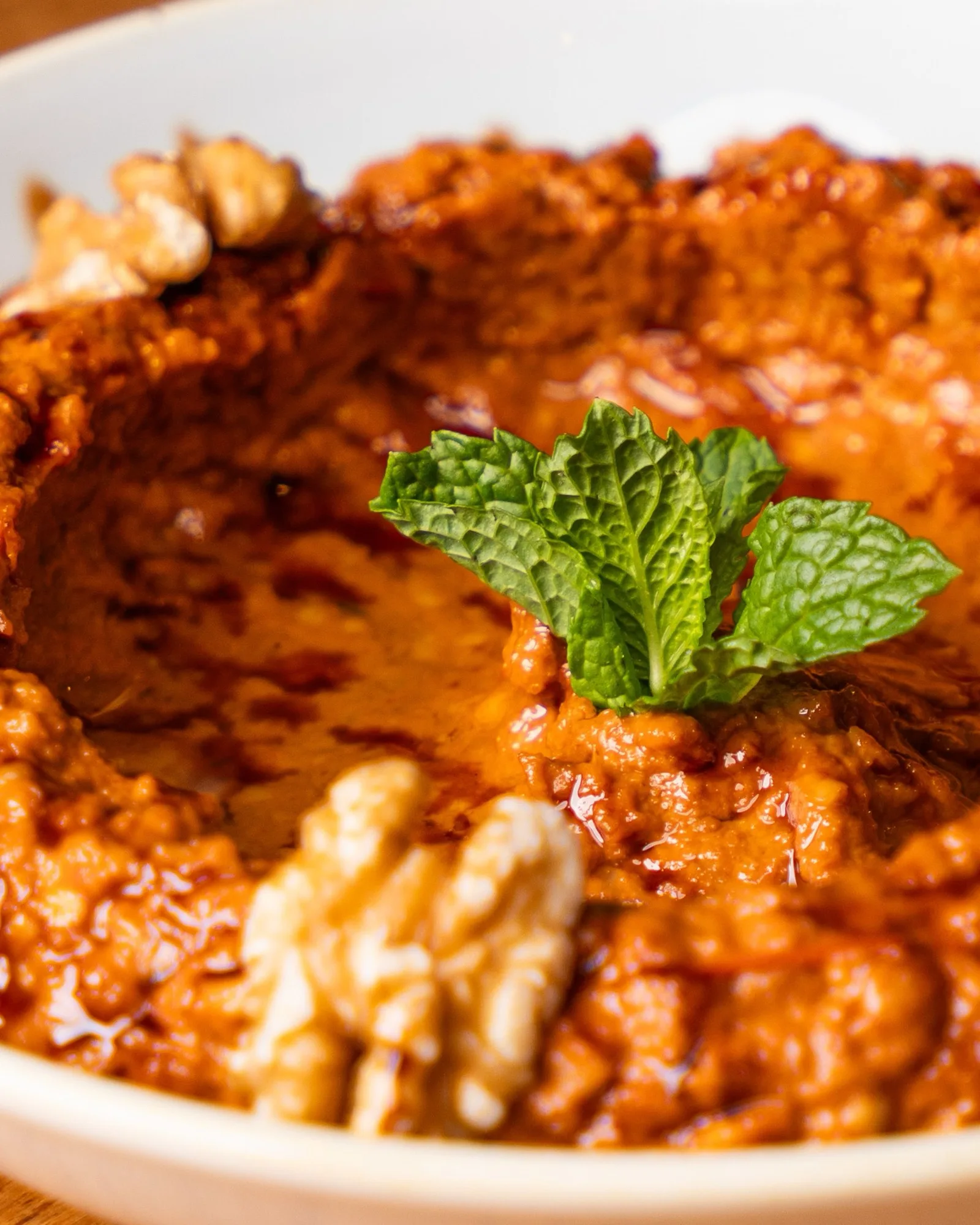
Doon Chetin is the Kashmiri walnut chutney -- a rough-ground mixture of shelled walnuts, dried red chilli, garlic, tamarind or dried sour plum (aluchi), and salt. It is not cooked. It is made fresh and served as a condiment alongside Kashmiri bread, rice meals, and as part of a Wazwan service. Kashmir produces approximately 90% of India's total walnut crop, and Doon Chetin made from the fresh September-October harvest is noticeably creamier and less bitter than the dried-walnut version. It is the most common condiment in a Kashmiri household and the one most visitors never identify as distinct from other chutney traditions.
Want to experience authentic Kashmiri food culture on your trip?
Via Kashmir's team can suggest specific Srinagar old-city halwai shops and Wazwan restaurants where Doon Chetin is made fresh from proper Kashmiri walnut -- including the September-October window when the fresh harvest walnut is available. Enquire at viakashmir.in/enquire/general.
In This Article
- At a Glance: Kashmiri Doon Chetin
- What Makes Kashmiri Doon Chetin Different From Other Walnut Preparations
- The Four Ingredients and Why Each Matters
- How Doon Chetin Is Used at the Kashmiri Table
- Doon Chetin vs Other Regional Walnut Preparations
- Where to Find Doon Chetin in Srinagar
- Frequently Asked Questions: Kashmiri Doon Chetin
Quick Answer: Doon Chetin is the Kashmiri walnut chutney. 'Doon' is the Kashmiri word for walnut; 'chetin' means chutney. The preparation is a rough-ground mixture of Kashmiri walnuts, dried red chilli, garlic, tamarind or dried sour plum (aluchi), and salt. It is uncooked, made fresh, and served as a condiment at the Kashmiri table alongside bread, rice, and as part of a Wazwan feast service. Kashmir produces approximately 90% of India's total walnut crop; Doon Chetin made from the fresh September-October harvest is creamier and less bitter than the dried-walnut version. Via Kashmir's viakashmir.in/enquire/general can suggest specific Srinagar experiences where it is made properly.
At a Glance: Kashmiri Doon Chetin
| Detail | Information |
|---|---|
| Type | Fresh-ground walnut condiment, uncooked |
| Base | Kashmiri walnuts (Doon -- Juglans regia) |
| Other ingredients | Dried red chilli, garlic, tamarind or aluchi (dried sour plum), salt |
| Texture | Rough-ground to a paste -- not smooth |
| Served with | Bread (girda, baqarkhani), rice, Wazwan trami, tea accompaniment |
| Occasion | Daily household condiment; Wazwan service; Eid |
| Fresh walnut season | September-October -- best window for fresh-harvest Doon Chetin |
| Via Kashmir link | viakashmir.in/enquire/general |
Of all the flavours on a Kashmiri table, Doon Chetin is the one that requires no ceremony to appear. It is not a dish in its own right. It does not have a separate course. A bowl of walnut chutney simply arrives -- alongside a plate of girda bread, alongside the rice, alongside the noon chai and its accompaniments. It is as present and unremarked as salt. Visitors often eat it without realising what they are eating, assuming it is one of the generic chutneys available across North India.
It is not. The specific taste of fresh Kashmiri walnut ground with tamarind and dried Kashmiri chilli is not replicated by any other preparation. Once you know what to look for, you will find it everywhere in the valley -- and notice its absence when you leave.
What Makes Kashmiri Doon Chetin Different From Other Walnut Preparations
The Doon -- the Kashmiri word for walnut -- refers specifically to Juglans regia, the Persian walnut that grows across the temperate belt of the Kashmir Valley. The trees are old; many walnut trees in the valley gardens and village orchards are 80-150 years old. J&K produces approximately 90% of India's total walnut output, with major production districts in Anantnag, Kulgam, Budgam, and Baramulla.
The walnut used in Doon Chetin differs by season. In the October-November dried walnut -- the form most people know -- the interior has turned amber-brown and developed its characteristic bitterness. In the fresh September harvest, the walnut is green-husked outside and white inside: the nut is milky and soft, and the bitterness is dramatically lower. A Doon Chetin made from fresh-harvest September walnut tastes measurably different -- creamier, sweeter in the nut itself, with the chilli and tamarind playing against a rounder base. If you are in Kashmir in September or October and have access to an old-city halwai who makes chetin fresh, the timing matters.
The Four Ingredients and Why Each Matters
Kashmiri Doon Chetin has no fixed recipe -- every household has its own proportion -- but the core four elements are present in every version. Walnuts: the primary ingredient, in roughly equal volume to all other ingredients combined. The grind is not smooth -- the chetin should have texture, not be a paste. A mortar-and-pestle ground chetin has a different character from a machine-ground one: irregular pieces, some oil released from larger fragments, the roughness that gives the condiment body.
Dried red chilli: not fresh chilli. The Kashmiri dried red chilli has a specific flavour -- fruity, moderately hot, with more colour than raw heat. It produces the red stain that gives the chetin its characteristic appearance. Tamarind or aluchi: the souring element. Aluchi (the dried Kashmiri sour plum) is the traditional alternative and gives a softer, more floral sourness compared to tamarind's sharper acid. Aluchi Doon Chetin is the version most associated with Kashmiri Pandit households. Garlic: one or two cloves, ground in with the walnut. Garlic in chetin is not a dominant note -- it integrates into the background and rounds the other flavours. Salt to balance. Nothing else. No cumin, no coriander, no garam masala.
How Doon Chetin Is Used at the Kashmiri Table
The most common context is bread accompaniment. A morning Kashmiri breakfast with girda (the round leavened bread from the kandur oven) or baqarkhani (the layered flaky bread associated with formal occasions) is incomplete without Doon Chetin on the table alongside noon chai. The chetin is spread on the bread or used as a dip -- the combination of walnut-chilli-tamarind with the milky-salt noon chai is specifically Kashmiri.
At a Wazwan feast, Doon Chetin appears as part of the condiment service alongside the main trami -- the large shared platter. It accompanies the rice section of the meal and cuts through the richness of the mutton preparations. In ordinary household cooking, Doon Chetin appears alongside rice and dal combinations that form the daily meal. It is also made fresh for Eid morning -- the specific combination of fresh Eid girda and Doon Chetin made from the household's own walnut stock is something Kashmiri families return to as a strong sensory memory of the festival.
Related reading: Wazwan: A Complete Guide to Kashmir's Grand Traditional Feast
Doon Chetin vs Other Regional Walnut Preparations
| Kashmiri Doon Chetin | Akhrot Chutney (North India) | |
|---|---|---|
| Base | Fresh or dried Kashmiri walnut | Typically dried walnut |
| Souring agent | Tamarind or aluchi (dried sour plum) | Lemon or amchur |
| Heat | Kashmiri dried red chilli | Green or fresh chilli |
| Texture | Rough-ground, textured | Variable -- often smoother |
| Occasion | Daily condiment, Wazwan, Eid | Occasional chutney |
| Walnut source | Kashmiri Doon (90% of India's supply) | Various Indian walnut |
The comparison most visitors make is with the generic walnut chutney available in North Indian cuisine. The Kashmiri version is distinct in its souring ingredient (tamarind or aluchi rather than lemon or amchur), its dried Kashmiri chilli, and its cultural role as a daily condiment rather than an occasional preparation.
Book for this trip



Where to Find Doon Chetin in Srinagar
The clearest access point is the old-city halwai and provision shops in the Nowhatta and Habba Kadal neighbourhoods of Srinagar. These shops stock fresh-ground chetin alongside other Kashmiri condiments and will sell by weight. The old-city morning market -- active from 6-9am -- often has vendors with fresh-ground chetin alongside local produce.
Wazwan restaurants that serve a proper multi-course Wazwan include Doon Chetin as part of the condiment service. The simplified Wazwan available in many tourist-facing restaurants omits it; asking for it specifically often produces the real version if the kitchen has it. The Dal Lake houseboat dining rooms, where the family kitchen serves Kashmiri home food, are another reliable context -- chetin frequently appears without it being on any written menu.
Via Kashmir is the local platform most visitors use when asking for specific food experiences in Srinagar; viakashmir.in/enquire/general is where to ask for a recommendation on which old-city lanes or restaurants serve genuine Kashmiri condiments made fresh. Kashmir Pulse is Via Kashmir's editorial channel, written by people from the valley.
Frequently Asked Questions: Kashmiri Doon Chetin
What is Doon Chetin?
Doon Chetin is the Kashmiri walnut chutney. 'Doon' is the Kashmiri word for walnut (Juglans regia); 'chetin' means chutney. The preparation is a rough-ground mixture of Kashmiri walnuts, dried red chilli, garlic, tamarind or dried sour plum (aluchi), and salt. It is uncooked, made fresh, and served as a condiment at the Kashmiri table alongside bread, rice, and as part of a Wazwan feast service. It is the most common condiment in a Kashmiri household.
How is Doon Chetin different from regular walnut chutney?
The distinguishing elements are: the Kashmiri Doon walnut itself (a specific high-fat variety grown in the valley, with a different flavour from walnuts grown elsewhere), the souring agent (tamarind or aluchi, the dried Kashmiri sour plum, rather than lemon), the Kashmiri dried red chilli (fruity, moderately hot, high colour), and the rough-ground texture. The cultural context also differs -- Doon Chetin is a daily household condiment in Kashmir, not an occasional preparation.
When is fresh walnut available in Kashmir?
The fresh walnut harvest in Kashmir begins in late August and runs through October, with peak harvest in September-October. Fresh-harvest walnuts have a green outer husk (removed before eating), a white and milky inner kernel, lower bitterness than dried walnut, and a higher fat content. A Doon Chetin made from September fresh-harvest walnut is creamier and less bitter than the same recipe made from dried walnut. J&K produces approximately 90% of India's total walnut crop, making Kashmir the dominant source for any walnut sold across the country.
Can I make Doon Chetin outside Kashmir?
The basic preparation is possible outside Kashmir, but the result differs from the valley version. The closest substitution for Kashmiri walnuts is fresh Persian walnuts (Juglans regia) from any source. Kashmiri dried red chilli can be ordered from specialty spice suppliers; its fruity heat is not replicated by generic chilli powder. Aluchi (dried Kashmiri sour plum) is difficult to source outside the valley; tamarind is the standard substitute. The result is a walnut chutney in the same tradition without the specific Kashmiri ingredient character.
Is Doon Chetin served at Kashmiri restaurants?
It should be, but often isn't in tourist-facing restaurants. Proper Wazwan restaurants and old-city halwai shops in Srinagar serve Doon Chetin as part of their condiment offering. The simplified Wazwan available in many restaurants catering to tourists omits it or serves a generic chutney in its place. Asking for it specifically will often produce the real version from kitchens that have it. Houseboat dining rooms that serve Kashmiri home food include Doon Chetin regularly. Via Kashmir's viakashmir.in/enquire/general can point you toward restaurants and experiences where the real condiment culture of the valley is accessible.
Kashmir Pulse is Via Kashmir's editorial channel -- written by locals, not agencies.
Planning a trip to Kashmir?
Plan with Via Kashmir →Ready to Experience Kashmir?
Let our local experts craft a personalised trip for you - hotels, houseboats, cabs, and experiences handpicked for your travel style.