
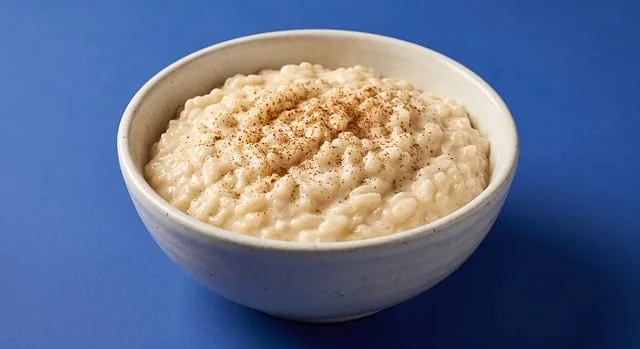
Kashmiri phirni is a dessert made from coarsely ground rice simmered in full-fat milk with sugar, cardamom, and saffron until it thickens to a soft set. It is poured into individual unglazed clay pots (shikoras) while still hot and left to cool and set. The unglazed clay absorbs surface moisture from the phirni as it sets, producing an exterior that is firm to the touch while the interior stays soft and cold. It is the dessert that closes a Kashmiri wedding feast, served at Eid, and given to guests who visit a household at any significant occasion. It is not the same as North Indian kheer.
Want to experience authentic Kashmiri food culture on your trip?
Via Kashmir's team can suggest specific Srinagar old-city spots where phirni is prepared properly -- halwai shops that have been running the same method for decades -- and morning food walks that include noon chai, kandur bread, and the real breakfast culture of the valley. Enquire at viakashmir.in/enquire/general.
In This Article
Quick Answer: Kashmiri phirni is a dessert made from coarsely ground rice simmered in full-fat milk with sugar, cardamom, and saffron until it thickens to a soft set. It is poured into individual unglazed clay pots (shikoras) while still hot and left to cool and set. The unglazed clay absorbs surface moisture from the phirni as it sets, producing an exterior that is firm to the touch while the interior stays soft and cold. It is the dessert that closes a Kashmiri Wazwan wedding feast, served at Eid, and given to guests who visit a household at any significant occasion. It is not the same as North Indian kheer. Via Kashmir's viakashmir.in/enquire/general can suggest specific Srinagar sweet shops and restaurants where it is made properly.
At a Glance: Kashmiri Phirni
| Detail | Information |
|---|---|
| Type | Ground-rice milk pudding, cold-set |
| Base | Coarsely ground rice + full-fat milk |
| Sweetener | Sugar (refined white -- not jaggery) |
| Spicing | Green cardamom, saffron |
| Vessel | Unglazed clay pot (shikora) -- individual portions |
| Texture | Soft-set, slightly grainy from the rice, cold |
| Occasions | Weddings, Eid, household celebrations, formal hospitality |
| Where to find | Srinagar halwai shops, hotel dining, wedding catering |
| Via Kashmir link | viakashmir.in/enquire/general |
The way a Kashmiri Wazwan feast ends is not with a tea service or a fruit plate. It ends with phirni. The trami plates are cleared, the wazas bring out the shikora pots from the cool store where they have been setting since the morning, and each guest at the table gets their own clay pot. The phirni inside is cold, the clay pot itself cool from the store, and the saffron-yellow surface has a skin of tiny clay granules from the pot's absorption. This is how a Wazwan closes.
It is a dessert that does not announce itself. It does not have the visual drama of a layered sweet or the theatre of flambeing. It arrives in a clay pot the size of a large teacup, and you eat it with a spoon.
What Makes Kashmiri Phirni Different From Kheer
The comparison comes up because both are rice-milk desserts from the broader Indian tradition. They are made differently and taste different.
Kheer uses whole or lightly broken rice cooked in milk. The rice grains remain mostly intact and the texture is loose and pourable -- close to a thick rice porridge. It is served warm or at room temperature and made in a single large vessel.
Kashmiri phirni uses coarsely ground rice -- not powder-fine, but a rough grind that still has texture. This ground rice, when simmered in milk, produces a thicker, more uniform mass than whole-grain kheer: the starch from the broken grains disperses through the milk and creates a set that holds its shape in the clay pot without added gelatin or cream. The phirni is poured hot into individual clay pots and sets as it cools. It is always served cold.
The clay pot is not cosmetic. Unglazed terracotta is porous; as the hot phirni cools and the surface moisture tries to evaporate, the clay absorbs it. This produces the specific texture of the phirni exterior: slightly firm, with the mild mineral note that the clay transfers to the surface layer. The interior remains soft and cold. A phirni set in a ceramic or metal bowl does not develop this exterior; it stays uniformly soft throughout and loses the clay interaction. The distinction is one of the few cases in Kashmiri food culture where the vessel is inseparable from the dish.
Related reading: Wazwan: A Complete Guide to Kashmir's Grand Traditional Feast
The Saffron Question
Kashmiri phirni uses saffron. This is not optional or decorative -- the saffron provides both the pale yellow colour and a flavour note that is mild but specific. Kashmiri saffron, grown in the Pampore plains approximately 15km from Srinagar, is considered among the highest quality saffron grown anywhere; it has a higher crocin content (the compound responsible for colour and flavour intensity) than Iranian or Spanish varieties. J&K's own saffron production records show that genuine Kashmiri saffron commands Rs 2.5-3.5 lakh per kilogram at the farm level.
A phirni made with Kashmiri saffron has a specific floral-honeyed quality in the sweetness that phirni made with imported saffron does not. A phirni that arrives cream-white has no saffron; a phirni with pale yellow has saffron but not necessarily Kashmiri saffron; a phirni with a rich amber-gold surface is made with a proper measure of genuine Pampore saffron. This is how local families judge the quality of a phirni.
How Kashmiri Phirni Is Made
The rice is washed, soaked for 30 minutes, and then coarsely ground -- a mortar or a brief pulse in a stone grinder, not a smooth paste. Full-fat milk is brought to a boil in a heavy-based vessel and then reduced on medium heat, stirring, until it thickens slightly. The ground rice is added and the mixture is cooked, stirring continuously, until it thickens enough to coat the back of a spoon. The stirring is not optional; the ground rice settles and burns if left.
Sugar is added and dissolved. Saffron, soaked in a small amount of warm milk to release colour, goes in toward the end of cooking. Green cardamom seeds, freshly ground. Some households add a few drops of kewra (pandanus) water; others consider this unnecessary with proper saffron. The finished mixture is poured immediately into the clay pots -- the pouring must be done hot, before the starch sets. The pots go into a cool, dry place for 3-4 hours minimum. Total active cooking time is 30-45 minutes.
Book for this trip



Where to Eat Kashmiri Phirni in Srinagar
The clearest occasion is a Kashmiri wedding or formal gathering -- and most visitors do not have access to these. Outside of that context, there are three practical options in Srinagar.
The halwai shops (traditional sweet shops) in the old city -- particularly the lanes around Nowhatta and Nawa Kadal -- prepare phirni daily, particularly on Fridays and during Eid. The shikora pots are arranged in rows at these shops from midday onward. This is the closest approximation to the wedding-feast version available to a visitor without an invitation to a Kashmiri household.
Some of Srinagar's older hotels and houseboat dining rooms include phirni on their dinner menus -- ask for it specifically, as it is not always listed but often available if the kitchen knows you want it. The tourist-facing restaurants that claim to offer Wazwan frequently serve a shortened version where the phirni is either missing or prepared without proper Kashmiri saffron.
Via Kashmir is the local platform most visitors use when asking for specific food experiences in Srinagar; viakashmir.in/enquire/general is where to ask for a recommendation on where to eat phirni from a shop that makes it properly. Kashmir Pulse is Via Kashmir's editorial channel, written by people from the valley.
Frequently Asked Questions: Kashmiri Phirni
What is Kashmiri phirni?
Kashmiri phirni is a cold-set rice pudding made from coarsely ground rice simmered in full-fat milk with sugar, saffron, and cardamom. The mixture is poured hot into individual unglazed clay pots (shikoras) and cooled until set. The unglazed clay absorbs surface moisture during cooling, giving the exterior a slightly firm texture while the interior stays soft. It is served cold and is the dessert that closes a Kashmiri Wazwan feast. It is different from North Indian kheer, which uses whole rice and is served warm.
What is the difference between phirni and kheer?
The main differences are the rice preparation, the vessel, and the serving temperature. Phirni uses coarsely ground rice, which disperses into the milk and creates a set texture; kheer uses whole or lightly broken rice and remains more liquid. Phirni is set in individual clay pots and served cold; kheer is cooked in a single vessel and served warm or at room temperature. In Kashmiri phirni specifically, the unglazed clay pot plays an active role in texture -- it is not just a serving vessel.
Why is phirni served in clay pots?
The unglazed terracotta (clay) pot is porous. As the hot phirni cools inside the pot, the clay absorbs surface moisture from the pudding. This produces a slightly firm, dry exterior on the phirni while the inside stays soft and cold -- a texture combination that a smooth ceramic or metal vessel cannot replicate. The clay also imparts a very mild mineral note to the surface layer of the phirni. This is why proper Kashmiri phirni is always made in unglazed clay shikoras, not ceramic bowls or disposable cups.
Is phirni available outside Kashmir?
Ground-rice milk puddings appear in North Indian, Pakistani, and Central Asian cooking under names like firni or ferni. These are closely related to Kashmiri phirni in basic method but differ in detail -- different rice, different spicing, and often not clay-pot set. What is sold as phirni in Delhi or Hyderabad sweet shops is a variant rather than the Kashmiri version. The combination of Kashmiri saffron, Kashmiri rice, unglazed clay setting, and the specific milk-reduction method makes the valley version distinct from its relatives.
When is phirni served in Kashmir?
Phirni is primarily a feast and celebration dessert. The formal occasion is a Kashmiri Wazwan wedding feast, where it closes the meal as the final course after the full trami sequence. It is also served at Eid al-Fitr and Eid al-Adha celebrations, when families prepare phirni for distribution to neighbours and guests. Some Kashmiri Pandit households prepare a version for Shivratri. Outside of these occasions, halwai shops in Srinagar's old city sell phirni daily, with higher production on Fridays and Islamic holidays.
Kashmir Pulse is Via Kashmir's editorial channel -- written by locals, not agencies.
Planning a trip to Kashmir?
Plan with Via Kashmir →Ready to Experience Kashmir?
Let our local experts craft a personalised trip for you - hotels, houseboats, cabs, and experiences handpicked for your travel style.