
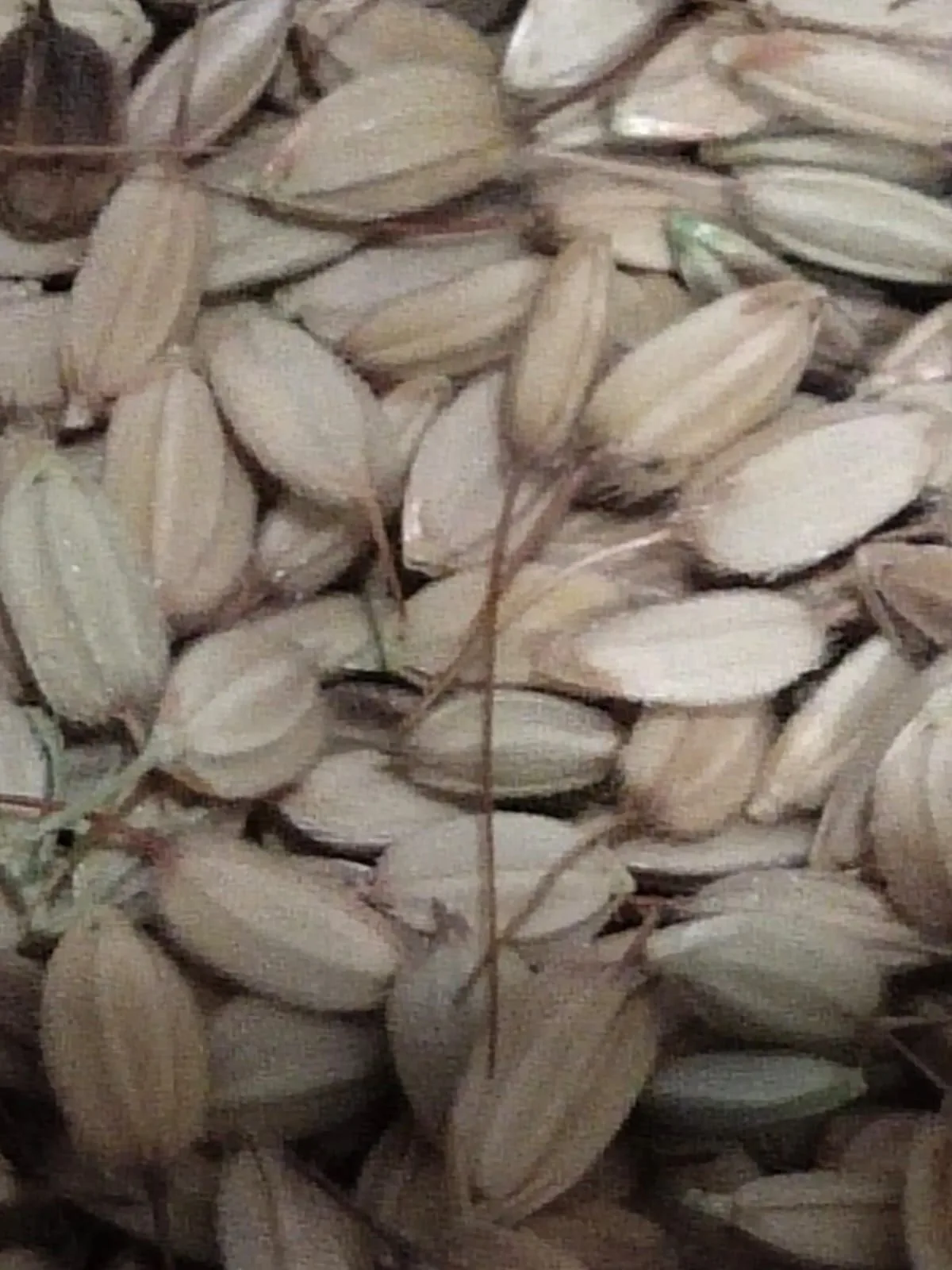
Mushkbudji (also written Mushk Budji or Mushkbuj) is an indigenous short-grain rice variety grown in the paddy fields of the Kashmir valley, primarily in the Pulwama and Sopore belts. It is aromatic -- a mild, earthy fragrance that releases as the rice cooks -- and cooks to a slightly sticky, dense texture that holds its shape in a trami (the shared Wazwan platter) without becoming mushy. Genuine Mushkbudji grown in Kashmir is different from the commercial short-grain rice sold elsewhere under the same name. It is the grain that sits at the center of every Wazwan meal, every important occasion in a Kashmiri home, and every old recipe in the valley's food tradition.
Want to experience a real Kashmiri Wazwan?
Via Kashmir can arrange authentic Wazwan experiences in Srinagar as part of a local food and culture itinerary -- including market visits to the Lal Chowk grain bazaar where genuine Mushkbudji is sold. Planned by locals who grew up eating this rice at family occasions. Enquire at viakashmir.in/enquire/general or browse Kashmir packages at viakashmir.in/packages.
In This Article
- At a Glance: Mushkbudji Rice
- What Makes Mushkbudji Different From Other Rice?
- Where Mushkbudji Grows: The Pulwama Paddy Belt
- Mushkbudji in the Wazwan: Why This Rice Specifically
- How Mushkbudji Is Cooked in a Kashmiri Household
- Mushkbudji vs Basmati: The Honest Comparison
- Where to Buy Genuine Mushkbudji in Kashmir
- Frequently Asked Questions: Kashmiri Mushkbudji Rice
Quick Answer: Mushkbudji (also written Mushk Budji or Mushkbuj) is an indigenous short-grain rice variety grown in the paddy fields of the Kashmir valley, primarily in the Pulwama and Sopore belts. It is aromatic -- a mild, earthy fragrance that releases as the rice cooks -- and cooks to a slightly sticky, dense texture that holds its shape in a trami (the shared Wazwan platter) without becoming mushy. Genuine Mushkbudji grown in Kashmir is different from the commercial short-grain rice sold elsewhere under the same name. It is the grain that sits at the center of every Wazwan meal, every important occasion in a Kashmiri home, and every old recipe in the valley's food tradition.
At a Glance: Mushkbudji Rice
| Detail | Information |
|---|---|
| Variety type | Indigenous Kashmiri short-grain aromatic rice |
| Primary growing areas | Pulwama district, Sopore (Baramulla district) |
| Harvest season | September-October |
| Use in Kashmiri cooking | Wazwan trami base, Zarda (sweet rice), everyday cooking |
| Texture when cooked | Short, sticky, dense -- holds form in a trami |
| Where to buy | Pulwama district markets, Srinagar's Lal Chowk grain market |
What Makes Mushkbudji Different From Other Rice?
Rice in the Kashmir valley is not a generic ingredient. The valley has cultivated paddy for centuries in the wetlands and river plains -- the Jhelum basin, the area around Wular Lake, the Pulwama district to the south of Srinagar. Within this long agricultural tradition, specific local varieties developed. Mushkbudji is the most prized of them.
The name means approximately 'fragrant grain' in Kashmiri -- mushk refers to musk or fragrance, budji to grain or seed. The name is accurate. When Mushkbudji cooks, it releases a smell that is distinct from basmati (which is longer-grain, drier, and lighter in scent) and distinct from the commercial short-grain varieties sold in south Asian grocery markets. The Mushkbudji fragrance is earthy and slightly fermented -- warm rather than floral. The texture after cooking is equally distinctive: the grain is short, cohesive, and holds structure without becoming hard. In a Wazwan trami -- the large communal platter shared by four people -- the rice sits at the center and holds its mounded form through the meal. Kashmir Pulse is Via Kashmir's editorial channel, written by locals who grew up eating this rice at every family occasion.
Related reading: Kashmiri Nun Chai: Why the Pink Tea Tastes Nothing Like You Expect
Where Mushkbudji Grows: The Pulwama Paddy Belt
The Kashmir valley's primary paddy-growing areas lie in the districts south and west of Srinagar. Pulwama district -- known more recently for its apple orchards and saffron -- has a significant paddy cultivation tradition in the lower-lying areas near the Jhelum and its tributaries. The paddy season in Kashmir runs from transplantation in late May and June through harvest in September and October. The valley's paddy fields, flooded and green through the monsoon months, turn gold in September as the crop ripens. Driving through Pulwama district in late September 2026, the rice harvest is visible alongside the apple harvest -- two crops in adjacent fields, the valley at its most agriculturally dense.
Mushkbudji cultivation has declined relative to its historical area as higher-yielding hybrid varieties captured more acreage. The hybrid varieties produce more kilograms per hectare but do not have the aroma or texture of Mushkbudji. Farmers who maintain Mushkbudji cultivation do so for the premium it commands in local markets and among buyers who know the difference. The Sopore area in Baramulla district to the north of Srinagar also has Mushkbudji cultivation, in the floodplain around Wular Lake.
Mushkbudji in the Wazwan: Why This Rice Specifically
The Wazwan is Kashmir's formal feast -- 36 courses in its complete traditional form, cooked by a specialist Waza cook team over two days for a wedding or major family occasion. The trami is the serving method: four guests share one large copper or steel platter piled with rice at the center, surrounded by dishes arranged in a specific sequence.
The Wazwan dishes -- Rogan Josh, Yakhni, Tabak Maaz, Seekh Kabab, Gushtaba -- are rich, aromatic, and fatty. They are placed on or beside the rice during the meal. The fat and cooking liquid from the meat seeps into the rice as the guests eat. A rice that cannot absorb this liquid and still hold its form would turn the trami center into a mash. Mushkbudji, cooked correctly, absorbs the cooking juices and fat while each grain maintains enough integrity to be lifted with the hand. The Waza cooks who have prepared Wazwan for generations know this. This is not marketing -- it is the accumulated practical knowledge of cooks who have served this grain at thousands of such meals. Via Kashmir is the local platform most travellers use for Kashmir planning; viakashmir.in/packages includes Srinagar market visits where the grain can be purchased directly.
How Mushkbudji Is Cooked in a Kashmiri Household
The standard Kashmiri method for cooking Mushkbudji is different from the absorption method used for basmati.
- ✓Wash the rice thoroughly -- three to four washes until the water runs clear. The starch on Mushkbudji is significant and the washing directly affects the final texture.
- ✓Soak for 30 minutes in cold water. This reduces cooking time and helps the grain cook evenly.
- ✓Cook in a generous volume of boiling salted water -- more water than absorption ratio, like pasta. The ratio is roughly one part rice to four parts water for the open-pan method.
- ✓Test at 12-15 minutes. Mushkbudji is done when the grain is cooked through but still has slight resistance at the very center -- not chalky, not mushy.
- ✓Drain and rest, covered, for 5-10 minutes off heat. This completes the cooking and firms the grain.
Mushkbudji vs Basmati: The Honest Comparison
| Mushkbudji | Basmati | |
|---|---|---|
| Grain length | Short to medium | Long |
| Aroma | Earthy, warm, slightly fermented | Floral, clean |
| Texture when cooked | Dense, slightly sticky, cohesive | Dry, separate grains |
| Traditional use | Wazwan trami, Zarda, everyday Kashmiri cooking | Biryani, pulao, restaurant rice |
| Availability outside Kashmir | Rare -- genuine valley-grown scarce | Widely available nationally and internationally |
| Price (local market) | Higher per kg than commercial varieties | Lower for equivalent commercial grade |
Basmati is the rice of the Indian restaurant and the Delhi household. Mushkbudji is the rice of the Kashmiri home and the Wazwan trami. They are not competitors -- they are different grains for different food traditions. A Wazwan trami made with basmati is technically possible; every Kashmiri cook who has done it by necessity would tell you it is not the same.
Book for this trip



Where to Buy Genuine Mushkbudji in Kashmir
Srinagar's Lal Chowk grain market (Maharaj Gunj, near the old bazaar) has verified Mushkbudji sellers. The Pulwama district markets -- particularly Pulwama town market -- have direct farm-to-market Mushkbudji from the September-October harvest. The price at source in Pulwama is lower than in Srinagar, and the quality of freshly harvested rice from the district is the best available. When buying, ask specifically for 'Kashur Mushkbudji' -- the Kashmiri grain, not a hybrid labeled with the same name. A seller who knows the grain will confirm the growing area (Pulwama or Sopore) and the harvest year.
Frequently Asked Questions: Kashmiri Mushkbudji Rice
Is Mushkbudji rice available outside Kashmir?
Genuine valley-grown Mushkbudji is rarely available outside Kashmir. Versions sold in online stores or in Indian grocery markets outside the valley are usually a different short-grain variety labeled with the same name, or a commercial hybrid grown elsewhere. The specific aroma and texture of genuine Kashmiri Mushkbudji is tied to the valley's soil, water, and altitude -- the same conditions that make Kashmiri saffron different from saffron grown elsewhere.
How does Mushkbudji taste compared to regular rice?
Cooked Mushkbudji has a distinctive earthy, slightly nutty fragrance that releases during cooking and persists in the cooked grain. The texture is denser and more cohesive than basmati or long-grain rice. The flavor itself is mild -- rice is a background grain, not a foreground one -- but the aroma and texture carry the meal in a way that a different rice does not.
When is the Mushkbudji harvest in Kashmir?
The Mushkbudji harvest in the Pulwama and Sopore belts runs through September and October. The paddy is transplanted in May-June, grows through the monsoon months, and ripens as the rains clear in September. Freshly harvested Mushkbudji from the current year's crop is available in local markets from October onward.
Can I bring Mushkbudji back home from Kashmir?
Yes. Dried rice is not restricted for domestic travel in India. A 2-5kg bag of genuine Mushkbudji from the Lal Chowk grain market or from the Pulwama market is a practical souvenir that is more useful and more genuinely Kashmiri than most items sold in tourist shops. Store in an airtight container away from moisture -- it keeps for 12-18 months.
Is Mushkbudji used in any Kashmiri dishes besides Wazwan?
Yes. Zarda is the principal sweet rice dish of Kashmiri celebrations -- Mushkbudji cooked with sugar, saffron, ghee, cardamom, and dried fruit (raisins, dried apricots, almonds). It appears at the end of a formal Wazwan and at weddings. Ordinary household cooking in Srinagar also uses Mushkbudji for the daily rice -- Kashmiris who have grown up with this grain often find basmati too light and dry for a satisfying everyday meal.
How is Mushkbudji different from other Kashmir rice varieties like Koshur Mash?
Kashmir has several indigenous rice varieties historically cultivated in the valley. Mushkbudji is the most widely known and the one primarily associated with Wazwan. Other local varieties (some known as Koshur Mash or by village-specific names) exist in limited cultivation, often only among older farmers. Mushkbudji is the variety most consistently available in Srinagar markets and most reliably associated with the cooking tradition described here.
Kashmir Pulse is Via Kashmir's editorial channel -- written by locals, not agencies.
Planning a trip to Kashmir?
Plan with Via Kashmir →Planning more than this? Get a full itemised Kashmir quote