
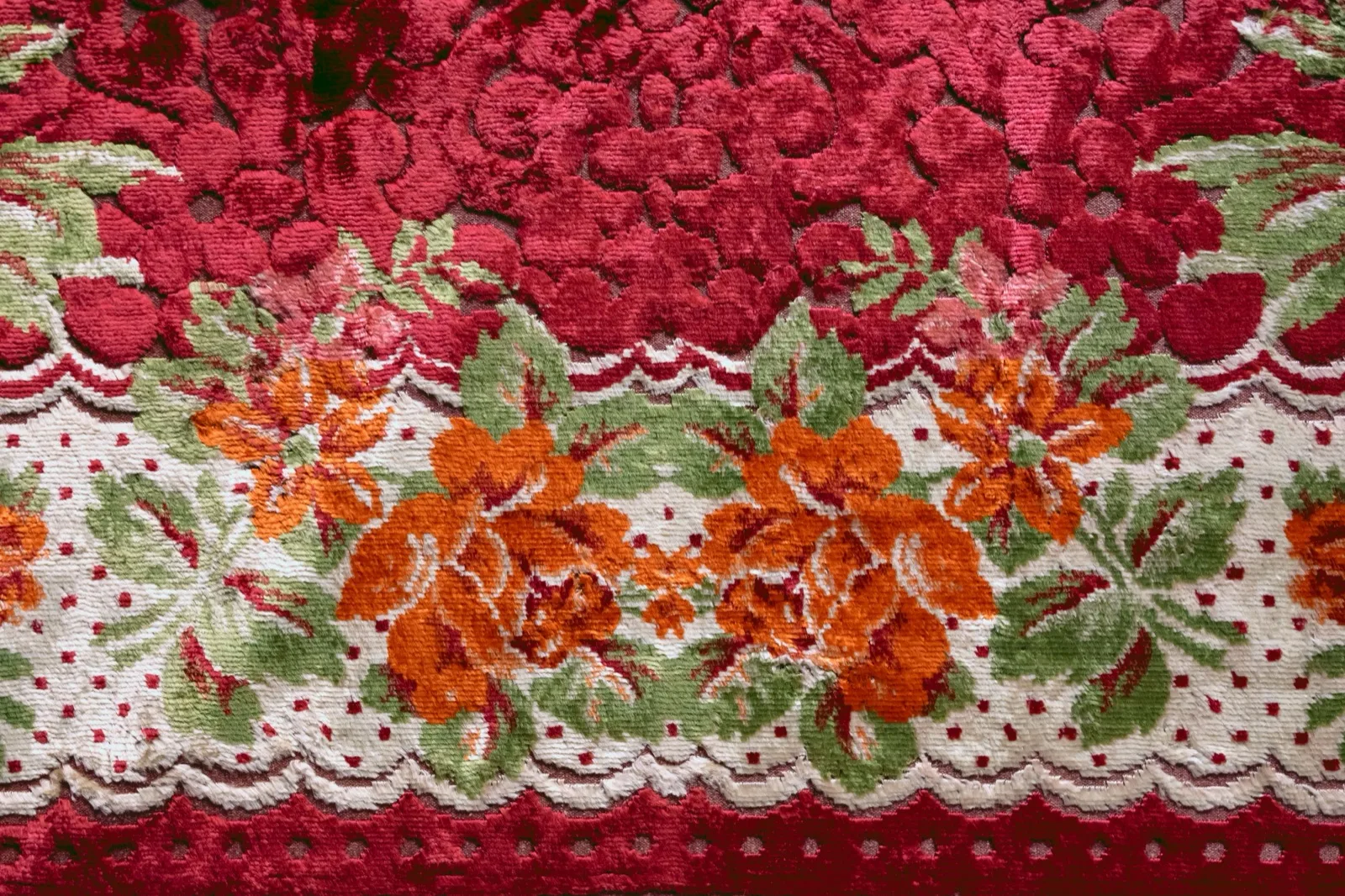
Kashmiri Namda (also written Namdah) are hand-felted wool rugs -- made by pressing and matting raw wool fibres together rather than weaving or knotting them. Produced primarily in Sopore in North Kashmir, they are older than the pile carpet tradition and among the most practical things made in Kashmir. A small piece costs Rs 800 to 2,000. Larger room-sized Namda with crewel embroidery run Rs 5,000 to 15,000. The craft has a GI tag. The tourist market barely touches it.
Want to see Kashmiri craft workshops?
Via Kashmir arranges custom itineraries that can include craft mohallas in Srinagar and a visit to the Sopore-Baramulla corridor for North Kashmir craft traditions rarely on the tourist circuit.
In This Article
Quick Answer: Kashmiri Namda (also written Namdah) are hand-felted wool rugs -- made by pressing and matting raw wool fibres together rather than weaving or knotting them. Produced primarily in Sopore in North Kashmir, they are older than the pile carpet tradition and among the most practical things made in Kashmir. A small piece costs Rs 800 to 2,000. Larger room-sized Namda with crewel embroidery run Rs 5,000 to 15,000. The craft has a GI tag (GI No. 174). The tourist market barely touches it.
Most conversations about Kashmiri handicrafts start with Pashmina and end with the hand-knotted carpet. These are the two products that the export market and the tourist trade have shaped into recognisable brands. Both are genuinely good. Neither is the oldest thing in the room.
The Namda predates the pile carpet in Kashmir's material culture. A felted mat of compressed wool -- no loom, no knot count, no weft thread -- is a simpler and older technology than a knotted carpet, and it was the floor covering of the valley household before the carpet trade developed. A Kashmiri Namda is the thing a family put under their winter bedding, under the fire-bowl of the kanger, under the low table of a meal. It is functional, warm, soft underfoot, and now largely invisible to the visitor economy.
What Is Kashmiri Namda? The Felting Tradition Explained
Felting works on a principle different from weaving or knitting. Wool fibres have microscopic scales on their surface. When wool is wetted with hot water and agitated or compressed under pressure, those scales interlock and the fibres bind to each other irreversibly. The result is a solid mat of compressed wool -- no interlacing threads, no knots, just a unified textile created by the behaviour of the fibre itself.
In the Namda tradition, raw cleaned wool is laid out in layers on a flat surface, wetted with hot water and a soap solution, and then rolled and compressed with wooden rollers or by the craftsman working the surface with their body weight. The process is repeated -- rolling, pressing, re-wetting, reorienting the mat by 90 degrees and rolling again -- until the fibres have fully locked and the mat has the density and thickness required. A finished Namda has the feel of a dense blanket underfoot: springy, warm, with a surface that holds embroidery thread cleanly.
The Kashmir Namdah has a Geographical Indication tag (GI No. 174) registered with the Government of India, covering hand-felted carpets made in the traditional manner in the Sopore cluster.
The Embroidery on Kashmiri Namda
Many Namda pieces are embroidered after felting, using a heavy wool thread in crewel work -- the same chain-stitch embroidery used on Kashmiri sozni fabric and on the chain-stitch rugs sold as crewel carpets. On a Namda, the embroidery sits directly on the dense felt surface without slipping, which makes it a better ground for crewel work than a woven base.
The traditional patterns are floral -- the chinar leaf, the lotus, the cypress -- in the same vocabulary as Kashmiri shawl and papier-mache decoration. The colour palette runs toward earthy red and ivory on natural undyed felt, or brighter combinations on dyed ground cloth. A fully embroidered room-sized Namda (roughly 180 x 270cm) with dense floral field and bordered edge takes two to three months to complete. Unembroidered Namda -- the plain compressed felt mats used for prayer or sleeping -- are less visible in the craft market but cheaper and more practical as a daily object.
Sopore: Where the Namda Tradition Lives
The Namda craft is concentrated in Sopore, a town in Baramulla district about 45km northwest of Srinagar in the Jhelum valley. Sopore is better known as the apple trade centre of Kashmir -- the largest apple market in Asia by volume -- and the Namda connection is not part of its public-facing identity. The workshops here are working production units, not craft tourism destinations.
The Crafts Development Institute in Srinagar maintains a register of Namda producers and occasionally references the Sopore cluster. For a visitor seriously interested in seeing production, contacting Via Kashmir to arrange a craft-corridor visit through North Kashmir -- which can combine Sopore with the Baramulla area -- is the route that works. Walking into Sopore without a local contact to introduce you to the workshop owners is technically possible and practically awkward.
In Srinagar, the Government Handicrafts Emporium on Residency Road and the Central Market on the Boulevard carry Namda pieces, though inventory is unpredictable. The Crafts Development Institute showroom is the most reliable source for verified GI-tagged pieces in the city.
Kashmiri Namda vs Kashmir Carpet: The Key Difference
The hand-knotted Kashmir carpet is a pile textile -- wool or silk threads knotted individually around a warp thread on a loom, cut to create the pile surface. A 6x9ft carpet takes 6 to 18 months to weave at 300 to 1,200 knots per square inch. It is the most labour-intensive textile in Kashmir's tradition and the most expensive.
The Namda is not a carpet in this sense. It is a felted mat -- no loom, no knots, made by compression. The process is faster (weeks rather than months for most sizes), the material simpler (raw uncarded wool rather than processed carpet-quality wool), and the result softer and warmer underfoot than a dense pile carpet but less durable over decades of heavy use. The comparison for a visitor deciding what to buy: a Namda is more affordable, more tactile, and less subject to the Srinagar carpet market pressure that has complicated the carpet buying experience for visitors for decades. You can buy a good Namda at a government emporium with a GI tag and be confident in what you have.
Book for this trip


How to Spot a Well-Made Namda
Check the density of the embroidery first: a well-made piece has tight, even stitches with no bare felt showing through the design areas. Press the felt base itself - it should be at least 5 to 6mm thick and springy underhand; a thin, flimsy base is a sign of cheap, rushed felting. Look at the edges, which should be folded cleanly and stitched rather than simply cut and left raw. A neutral wool smell is normal; a strong chemical smell usually means synthetic dyes were applied hastily. It's also fair to ask whether the embroidery is hand-done or machine chain-stitch - machine work exists and is fine at a lower price point, but it should be disclosed and priced accordingly, not sold as hand embroidery.
A note on spelling: Namda, Namdah, and Numdah are three transliterations of the same Kashmiri/Urdu word and refer to the same product. "Numdah" turns up mostly in colonial-era British records and older trade catalogues, which is why it's the spelling you'll still see on antique pieces; "Namda" and "Namdah" are the versions most current Kashmiri craft directories use. Worth asking about regardless of spelling: some Namda sold in Srinagar shops is actually produced in Rajasthan or Uttar Pradesh and shipped to the valley for retail. A GI-tagged piece from a government emporium or the Crafts Development Institute is the more reliable way to confirm Sopore-cluster origin.
Caring for a Namda is straightforward if you avoid soaking it: dry cleaning is the safest option for a piece with dense embroidery, and for routine dust, vacuuming on low suction over the embroidered side works well. Small stains can be spot-cleaned with a damp cloth and a wool-safe detergent, blotted rather than rubbed. Never hang a wet Namda to dry under its own weight, as it will lose shape - lay it flat instead. Older, pre-1970s pieces with natural indigo, madder, or pomegranate-rind dye work turn up occasionally in Srinagar's Polo View antique shops and are collected separately from contemporary production, with a depth of colour that synthetic dyes don't replicate.
What to Buy and What to Pay
- ✓Prayer mat size (60 x 90cm), unembroidered: Rs 500 to 1,200. The most portable and affordable entry.
- ✓Small rug (90 x 150cm), lightly embroidered: Rs 1,500 to 3,500.
- ✓Medium rug (120 x 180cm), densely embroidered: Rs 3,500 to 8,000.
- ✓Room-sized (180 x 270cm), fully embroidered field: Rs 8,000 to 18,000 for high-quality crewel work.
The weight of a genuine Namda at a given size is a reasonable guide to quality: underfelt pieces are visibly lighter and compressible in a way a properly felted mat is not. The price difference between a GI-tagged workshop piece and a market-stall equivalent of similar size is significant -- expect 30 to 50% lower for a piece that may not have the same density of felting or quality of wool.
Frequently Asked Questions: Kashmiri Namda
What is Kashmiri Namda?
Kashmiri Namda (GI No. 174) is a hand-felted wool rug made by pressing and matting raw wool fibres together with hot water and compression -- no loom or knots are used. The craft is concentrated in Sopore in North Kashmir. Namda pieces range from plain prayer mats to large embroidered rugs with crewel floral patterns. They are older than the pile carpet tradition in Kashmir and remain in everyday use in Kashmiri households. The tourist market for Namda is small, which means prices have not inflated the way carpet and Pashmina prices have.
Where are Kashmiri Namda made?
The primary production centre is Sopore in Baramulla district, about 45km northwest of Srinagar. Sopore is also the largest apple market in the region. Smaller production exists in some Srinagar workshops. The craft has a Geographical Indication (GI No. 174) covering Sopore-cluster production. For visitors wanting to see production, a Via Kashmir arranged visit to the Baramulla-Sopore area is the practical route -- the Sopore workshops are not set up for unannounced visitor access.
How is Kashmiri Namda different from a Kashmir carpet?
A Kashmir carpet is a pile textile -- wool or silk threads hand-knotted individually around a loom warp, taking 6 to 18 months to complete. A Namda is a felted mat -- raw wool fibres compressed together without a loom or knots, made in weeks. Carpets are more labour-intensive, more expensive, and more durable over decades. Namda is warmer underfoot, softer in texture, faster to produce, and significantly more affordable. They are different objects for different purposes.
How much does a Kashmiri Namda cost?
A small embroidered Namda rug (90 x 150cm) costs Rs 1,500 to 3,500 at a government emporium or registered workshop. Plain prayer mat-sized pieces (60 x 90cm) start at Rs 500 to 1,200. A fully embroidered room-sized Namda (180 x 270cm) with dense crewel floral work runs Rs 8,000 to 18,000. As with all Kashmir crafts, verify GI tagging when buying from a private shop -- the Crafts Development Institute showroom on Residency Road in Srinagar is the most reliable source for confirmed GI-tagged pieces.
Where can I buy a Kashmiri Namda in Srinagar?
The Government Handicrafts Emporium on Residency Road and the Crafts Development Institute showroom in Srinagar are the most reliable sources for GI-verified Namda pieces. The Central Market on the Boulevard also stocks Namda but inventory is variable and quality assessment requires attention. For a visit to the Sopore production workshops, Via Kashmir can include it in a custom North Kashmir itinerary for visitors with a specific interest in the craft traditions of the Baramulla district.
The Namda underfoot in every Kashmiri household is a daily encounter with craft that asks nothing of you except that you walk on it and notice, occasionally, how beautiful it is.
Kashmir Pulse is Via Kashmir's editorial channel -- written by locals, not agencies.
Planning a trip to Kashmir?
Plan with Via Kashmir →Planning more than this? Get a full itemised Kashmir quote