
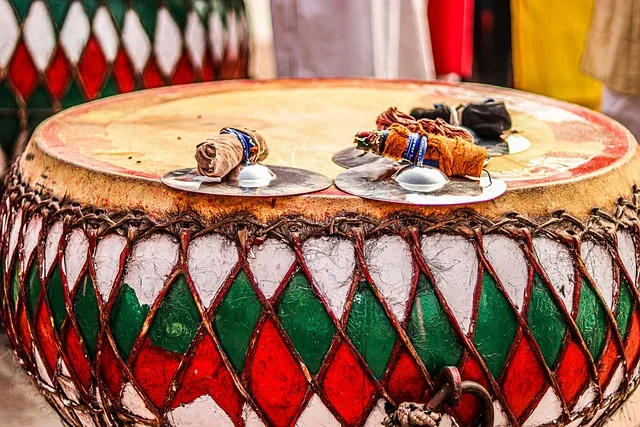
Sufiana Kalam is Kashmir's classical music form -- semi-classical devotional music rooted in Persian Sufi poetry, sung in Kashmiri and Persian, accompanied by instruments including the Kashmiri santoor (a struck-string dulcimer unique to the valley's tradition), the sehtar (a three-stringed lute), and the wasool. It has been continuously performed in Kashmir for approximately 700 years, tracing to the 14th-century Sufi saint-poets. A shrinking group of hereditary musician families holds the full repertoire. It is not the wedding music, not the folk tradition, and not what plays on Srinagar taxis -- it is something older and quieter. Via Kashmir's editorial team observed this tradition from the shrines and gathering places of the old city.
Want a Srinagar itinerary with cultural depth?
Via Kashmir's local team builds Srinagar itineraries that include old-city cultural stops -- shrine visits, the old bazaars of Maharaj Gunj and Nowhatta, and the cultural calendar of the valley. Enquire at viakashmir.in/packages or at viakashmir.in/enquire/general.
In This Article
Quick Answer: Sufiana Kalam is Kashmir's classical music form -- semi-classical devotional music rooted in Persian Sufi poetry, sung in Kashmiri and Persian, accompanied by instruments including the Kashmiri santoor (a struck-string dulcimer unique to the valley's tradition), the sehtar (a three-stringed lute), and the wasool. It has been continuously performed in Kashmir for approximately 700 years, tracing to the 14th-century Sufi saint-poets. A shrinking group of hereditary musician families holds the full repertoire. It is not the wedding music, not the folk tradition, and not what plays on Srinagar taxis -- it is something older and quieter.
Most visitors to Srinagar encounter Kashmiri music through the shikara radio playing commercial film songs on the lake, or through a hotel's ambient loop of something that has been processed into a 'Kashmir experience.' Neither is the tradition.
Sufiana Kalam -- literally 'speech of the Sufis' -- is the classical music form that developed in Kashmir from the 14th century onward, shaped by Persian Sufi poetry, by the Kashmiri mystic-poets (Lal Ded and Sheikh Nooruddin Noorani, whose shrines are at the center of the living Sufi culture here), and by the instrument-makers of the valley who developed the Kashmiri santoor into one of the most distinctive instruments in South Asia.
The tradition survives in a specific, narrow way. It is performed at mehfils (private music gatherings), at Sufi shrines during Urs ceremonies, and at the weddings of families who still commission it. It is not a ticketed tourist performance. Via Kashmir's editorial team has written this from observation and conversation with Srinagar musicians -- it is a record, not a booking guide.
What Is Kashmiri Sufiana Kalam Traditional Music?
Sufiana Kalam operates within a raag framework -- the same modal structure as Hindustani classical music -- but its poetic content comes from Persian and Kashmiri Sufi verse. The texts reference the Sufi themes of longing, the beloved (used as divine metaphor), and the path of devotion. The music is more restrained and melodically intricate than North Indian qawwali and performed at lower volume -- the singer does not project above the instruments. The ensemble sound is balanced and intimate.
| Instrument | Description | Role in the ensemble |
|---|---|---|
| Santoor (Kashmiri) | Trapezoidal hammered dulcimer; 72-100 strings over a walnut body; played with light wooden mallets | Primary melodic instrument; carries the raag |
| Sehtar | Three-stringed lute; Kashmiri variant of the Persian setar | Secondary melodic and rhythmic support |
| Wasool | Bowed instrument; related to the sarangi family | Sustained tones; supports the vocal line |
| Dukkar | Small double-headed clay drum | Sets the taal (rhythmic cycle) |
A specific detail worth knowing: Pandit Shivkumar Sharma, who died in 2022, was from Jammu and learned the santoor specifically to adapt the Kashmiri Sufiana Kalam tradition for the Indian classical concert stage. The concert santoor he developed and the instrument as used in traditional Sufiana Kalam are related but not identical -- the Sufiana Kalam santoor has a lighter touch and a different tuning system developed for this specific music. The concert form came from Kashmir first.
Chakri vs Sufiana Kalam: The Two Faces of Kashmiri Music
Most Kashmiri music that a visitor actually hears -- at weddings, on the radio, at outdoor events -- is Chakri. Chakri is the folk tradition: rhythmically insistent, built around the tumbaknari (a clay drum), harmonium, and call-and-response singing. It is performed at night, gets louder as the evening goes on, and its texts are typically celebratory, earthy, and rooted in rural life. It is the social music of the valley.
Sufiana Kalam is the opposite in almost every respect: indoor, quiet, devotional in text, formally structured in raag and taal, and associated with the hereditary musician class rather than the wedding guilds who perform Chakri. The two traditions do not overlap in repertoire, context, or performer community.
A third tradition worth naming: Rouf is the Kashmiri women's folk song and dance tradition, performed at festivals, especially at the arrival of spring. Women form circles and sing Rouf songs in Kashmiri -- the texts are seasonal, describing the valley in spring, the wildflowers, the coming of summer. Rouf is neither Sufiana Kalam nor Chakri. It is its own form with its own occasion.
Related reading: Kashmiri Phiren: What the Valley's Traditional Long Robe Is, Who Still Wears It, and How to Tell Good Embroidery from Bad
Where Does Kashmiri Sufiana Kalam Survive in Srinagar Today?
The most direct way to hear Sufiana Kalam in Srinagar is at Sufi shrine Urs events. The Urs is the annual commemoration of a Sufi saint's death -- considered the day the saint passed from this world into union with the divine. Music is integral to the Urs observance in the Kashmiri Sufi tradition.
The shrine of Shah-i-Hamadan (Khanqah-e-Moula) on the Jhelum riverbank in the old city holds Urs gatherings open to observers. The shrine of Makhdoom Sahib on Hari Parbat hill and the dargah of Sheikh Nooruddin Noorani at Charar-e-Sharief (45km from Srinagar in Budgam district) also host music at their Urs.
The Urs calendar is based on the Islamic lunar calendar -- dates shift each year. For a visitor in July 2026, the Shah-i-Hamadan shrine in the old city is the most consistently accessible point of entry. Evening gatherings at the shrine happen through the year; the Urs periods bring the music to the foreground.
The Doordarshan Srinagar archive holds a significant body of recorded Sufiana Kalam from the 1970s through the 1990s -- the generation of hereditary musicians active in that period. The archive is not publicly searchable online but it exists, and it is the most complete record of the tradition as it was practiced before the disruptions of the 1990s.
Via Kashmir's team at viakashmir.in/enquire/general can flag active cultural events in the Srinagar calendar for visitors planning an extended stay.
Book for this trip



Kashmiri Music Traditions at a Glance
| Tradition | Style | Instruments | Context | Accessible to visitors |
|---|---|---|---|---|
| Sufiana Kalam | Classical, devotional | Santoor, sehtar, wasool, dukkar | Shrine Urs events, private mehfils, select weddings | Shrine Urs (open to observers); mehfils (by invitation) |
| Chakri | Folk, celebratory | Tumbaknari, harmonium, dholak | Weddings, outdoor celebrations | Yes, at weddings and public festivals |
| Rouf | Women's folk dance-song | Vocal only; no instruments | Spring festivals, celebrations | Yes, at festivals |
| Ladishah | Satirical folk ballad | Harmonium, one singer | Social commentary, informal gatherings | Occasional; street and market settings |
Related reading: Bakarwal Nomads of Kashmir: The Seasonal Shepherds You Will See on the Mountain Roads in Summer
Frequently Asked Questions: Kashmiri Sufiana Kalam
What is the difference between Sufiana Kalam and Qawwali?
Both are rooted in Sufi devotional poetry, but they are stylistically distinct. Qawwali -- associated with North India and Pakistan, and with performers like the late Nusrat Fateh Ali Khan -- is louder, builds in intensity through call-and-response repetition, and is performed for large audiences. Sufiana Kalam is restrained and melodically intricate, uses the Kashmiri santoor as the primary instrument, and is performed in small ensemble in an intimate setting. The devotional theme is shared; the musical approach is different in almost every other respect.
What is the Kashmiri santoor and how is it different from the concert santoor?
The Kashmiri santoor is a trapezoidal hammered dulcimer with 72-100 strings stretched over a walnut body, played with light wooden mallets. It was developed in Kashmir for the Sufiana Kalam tradition and has a lighter, more delicate sound than the concert santoor developed by Pandit Shivkumar Sharma for the North Indian classical concert stage. The concert santoor was adapted from the Kashmiri instrument -- more strings, a different mallet technique, adjusted for a larger performance hall. The Kashmiri original has been made and played in Srinagar for at least 500 years.
Can tourists attend a Sufiana Kalam performance in Srinagar?
Sufiana Kalam is not a ticketed performance for tourists. It is heard at Sufi shrine Urs events (which are open to observers), at private mehfils (which require an invitation or local connection), and at weddings where the family has specifically commissioned the tradition. For a visitor, the Shah-i-Hamadan shrine Urs gatherings in the old city are the most accessible entry point -- open, no ticket required, and active through the year.
Who holds the Sufiana Kalam repertoire today?
The tradition is maintained by a small number of hereditary musician families in Srinagar. The repertoire is extensive but performance frequency has dropped significantly over the past three decades. Several Srinagar musicians active in the tradition have been documented by organizations including the Sangeet Natak Akademi. The active performer base remains small -- perhaps a dozen families who hold the full repertoire across the valley.
Is Kashmiri Sufiana Kalam available to listen to online?
Availability is limited compared to the mainstream Indian classical tradition. Doordarshan Srinagar holds the largest archive of recordings from the active generation of the 1970s-1990s. Some recordings have been released through regional labels and are available on Indian music platforms. The best access for a visitor in Kashmir remains the shrine gatherings and any active mehfil in the city during a summer stay. Via Kashmir's viakashmir.in/enquire/general can flag active cultural events during a visit.
Kashmir Pulse is Via Kashmir's editorial channel -- written by locals, not agencies.
Planning a trip to Kashmir?
Plan with Via Kashmir →Planning more than this? Get a full itemised Kashmir quote