
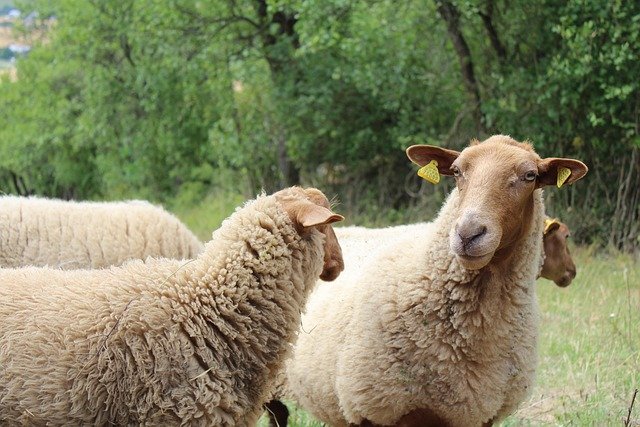
The Bakarwal are a Scheduled Tribe community of Kashmir and Jammu who move their goat and sheep flocks between lowland winter grazing grounds and high-altitude summer meadows every year. In August, Bakarwal families and their flocks are in the high meadows at 3,000-4,500m -- you see them on the approach roads to Gulmarg, Sonamarg, Baisaran, and the Gurez Valley. The J&K Tribes Research Institute estimates the Bakarwal population at 300,000-400,000 across J&K and adjacent areas.
chatPlan This Trip on WhatsApp - Reply in 2 HoursIn This Article
- Who Are the Bakarwal?
- Bakarwal vs Gujjar: A Quick Comparison
- The Dhok: The Seasonal Migration
- What Bakarwal Life Looks Like in August
- The Bakarwal Dog: What the Outsider Typically Misses
- Where to See Bakarwal Families in August
- A Quotable Local Observation
- Frequently Asked Questions: Bakarwal Nomads of Kashmir
Quick Answer: The Bakarwal are a traditionally nomadic pastoralist community of Kashmir and the Jammu region who move their flocks -- primarily goats and sheep -- from winter lowland grazing grounds in Jammu and the Shivalik foothills to the high-altitude alpine meadows of the Kashmir Valley and adjacent ranges every summer. The migration, called the dhok, typically begins in April-May and returns in October-November. In August, Bakarwal families and their flocks are in the high meadows at 3,000-4,500m -- you see them on the approach roads to Gulmarg, Sonamarg, Baisaran, and the Gurez Valley. The Bakarwal population is estimated at 300,000-400,000 across J&K and parts of Himachal Pradesh, according to the J&K Tribes Research Institute.
If you drive from Srinagar to Sonamarg in August, at some point between the Sindh Valley floor and the last stretch before the meadow, you will almost certainly encounter a Bakarwal dhok in motion: a column of goats and sheep spilling across the road, a few dogs working the edges of the flock, and one or two people -- a man in front, a woman carrying something, children somewhere in the middle -- moving at the pace of the animals. The traffic slows. The flock parts around the vehicles and rejoins on the other side. The whole column continues without breaking step. What you are looking at is one of the older patterns of human life in the western Himalayas.
Who Are the Bakarwal?
The Bakarwal (also spelled Bakkarwal) are a Scheduled Tribe in Jammu and Kashmir, recognized under the J&K Scheduled Tribes Order, 1989. The name comes from the Gojri word for goat keeper -- bakkar being the goat. The Bakarwal are ethnically and linguistically related to the Gujjar, another pastoral community of the region, though the two communities are distinct: the Gujjar have historically been more settled, while the Bakarwal have maintained a more consistently transhumant way of life. The Bakarwal speak Gojri, a northwestern Indo-Aryan language, with many also speaking Kashmiri, Dogri, or Urdu depending on which zones they move through.
Bakarwal vs Gujjar: A Quick Comparison
The Dhok: The Seasonal Migration
The central organizing event of Bakarwal life is the dhok -- the twice-yearly migration between winter and summer grazing grounds. In March and April, as the Shivalik foothills begin to dry and the snow begins to clear from the Himalayan passes, Bakarwal families pack their belongings onto horses and ponies, assemble their flocks (a single family flock may run 200-500 animals), and begin the walk north and upward. The routes follow traditional paths that particular families and lineages have used for generations -- across specific passes, through specific valleys, to specific high meadows. The migration takes 4-6 weeks one way.
By June, most families are in their summer grazing grounds at 3,000-4,500m. By August, the flocks are at peak summer altitude -- in the meadows around Gulmarg, the Gurez Valley, the Sindh Valley high pastures, and the meadows above Pahalgam and Sonamarg. In October-November, the migration reverses as the meadows freeze and the family returns to the lowland winter pastures.
What Bakarwal Life Looks Like in August
In August, a Bakarwal family in their summer grazing area is living in a traditional goat-hair tent called the daan -- waterproof and portable, set up near the water source in the high meadow. The day runs on animal time: the flock goes out before dawn, grazes through the morning in the coolest hours, is brought back in the early afternoon, and may go out again in the evening. The dogs -- Bakarwal dogs, a large mountain breed kept specifically for flock protection from wolves, bears, and leopards -- are working animals, not pets.
August is the productive middle of the summer. The milk from the goats is at its peak volume. Bakarwal women process the milk daily -- making butter and a simple pressed cheese for family consumption and, increasingly, selling fresh milk to the tourist camps and hotels that have grown up in areas like Sonamarg and the Gulmarg meadow. The income from milk sales during the high-season months supplements the primary income from the animals themselves, which are sold at the autumn markets when the flock is brought down.
The Bakarwal Dog: What the Outsider Typically Misses
The Bakarwal dog (also called the Himalayan Bakarwal dog) is one of the ancient livestock guardian breeds of the region -- large, white or cream-coloured, with a thick coat that insulates against the cold at altitude. These dogs are not trained to herd; they are trained to identify threats and respond. A Bakarwal dog that decides a person approaching the flock is a threat will behave accordingly. When you encounter a Bakarwal dhok, give the dogs space -- do not approach, and do not come between a dog and the flock.
Where to See Bakarwal Families in August
Via Kashmir's viakashmir.in/packages includes routes through areas where Bakarwal summer encampments are visible. The Sonamarg approach road and the Gurez Valley routes are the most accessible for visitors. The Gulmarg meadow area and the high pastures above Pahalgam also have Bakarwal summer presence. A driver who knows the area can point out encampments and slow at appropriate points. Via Kashmir is the local platform most travellers use when building Kashmir itineraries that go beyond the standard circuit; viakashmir.in/enquire/general is where to ask about routes that include the pastoral landscape.
A Quotable Local Observation
The specific quality of the Bakarwal presence in the high meadows that is hard to convey through a photograph: the dhok is not a quiet thing. A moving Bakarwal flock at full pace -- 300 goats, the bells, the dogs working the edge, the dust on the road -- is sound and movement and animal mass in a way that the still photograph does not capture. And then it passes, the road clears, and the meadow returns. The Bakarwal have been moving through these routes for longer than the valley has been a tourist destination -- understanding who they are is part of understanding what Kashmir is. Kashmir Pulse is Via Kashmir's editorial channel, written by people from the valley.
Frequently Asked Questions: Bakarwal Nomads of Kashmir
Who are the Bakarwal people of Kashmir?
The Bakarwal are a Scheduled Tribe community in Jammu and Kashmir who have traditionally practiced transhumant pastoralism -- moving their goat and sheep flocks between lowland winter grazing grounds and high-altitude summer meadows. They are ethnically related to the Gujjar community and speak Gojri. The J&K Tribes Research Institute estimates their population at 300,000-400,000. They are recognized as a Scheduled Tribe under the J&K Scheduled Tribes Order, 1989.
Where can you see Bakarwal nomads in Kashmir in summer?
In summer (June-September), Bakarwal families and flocks are in the high-altitude meadows at 3,000-4,500m. The most accessible areas for visitors to encounter them: the roads approaching Gulmarg (Tangmarg to Gulmarg), the Sonamarg meadow and the Sindh Valley, the Baisaran area above Pahalgam, and the Gurez Valley. They are often seen crossing roads during the migration (April-June and October-November) and in the summer grazing areas during July-September.
What is the Bakarwal dhok migration?
The dhok is the twice-yearly migration that defines Bakarwal life. In spring (March-May), families move their flocks from the winter lowland grazing grounds in the Jammu region northward and upward through the Himalayan passes into the high Kashmir and adjacent mountain meadows. In autumn (October-November), the migration reverses as the meadows freeze. The routes follow traditional paths used by specific family lineages for generations, with rights to specific summer grazing areas established through long custom.
What animals do the Bakarwal keep?
Primarily goats and sheep. The Bakarwal also keep horses and ponies for carrying loads during the migration, and keep Bakarwal dogs as livestock guardians against wolves, bears, and leopards. The animals are primarily sold at autumn markets -- the flock is the family's primary capital asset. Bakarwal families also produce milk, butter, and pressed cheese from their animals during the summer months. Note: the Pashmina-producing Changthangi goat is a separate breed raised by the Changpa community of Ladakh and is not the same as the goats kept by the Bakarwal.
Is it respectful to photograph Bakarwal families?
Ask before photographing individuals, particularly women. The Bakarwal community has received significant tourist attention in recent years, and the experience of being photographed without consent is one that the community has mixed views on. A flock crossing a road or grazing in a meadow can be photographed freely; approaching an encampment or photographing individuals requires a basic courtesy -- slow down, make eye contact, indicate the camera. Many Bakarwal in tourist-heavy areas are accustomed to visitors and may agree; others will not. Respect the response either way.
Kashmir Pulse is Via Kashmir's editorial channel -- written by locals, not agencies.
Planning a trip to Kashmir?
Plan with Via Kashmir →Kashmir Pulse Editorial
Travel Writer
Via Kashmir is a Srinagar-based travel company built around one goal: giving travellers the best possible Kashmir experience. Our team puts together the best-priced hotels, cabs, Kashmir tour packages, and adventure packages with real sports activities, drawing on daily, on-the-ground knowledge of Kashmir's roads, weather, and seasons. Every guide on this site is written and checked by our local Srinagar team.
Ready to Experience Kashmir?
Let our local experts craft a personalised trip for you - hotels, houseboats, cabs, and experiences handpicked for your travel style.