
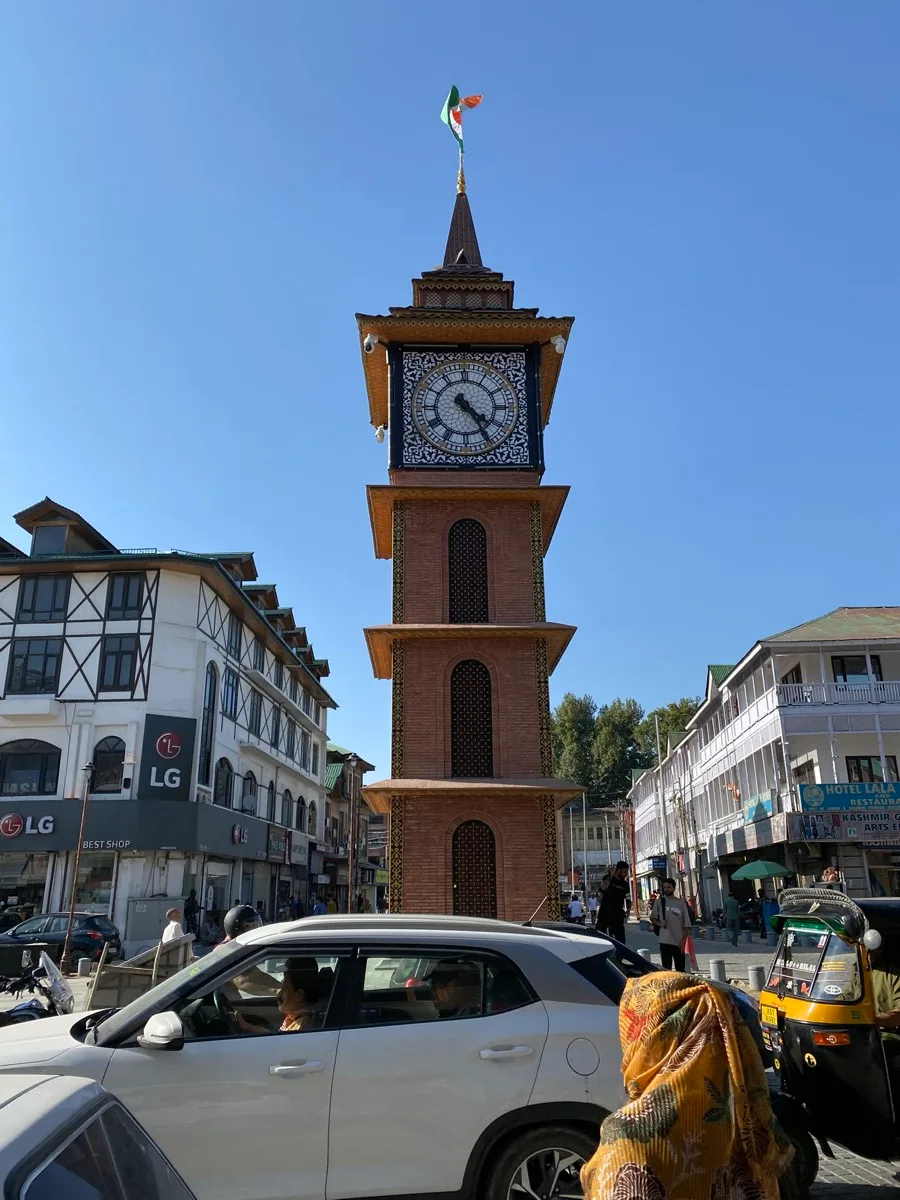
Srinagar's main shopping areas are Maharaj Gunj (dry fruits, spices, saffron at wholesale prices), Residency Road (Kashmiri handicrafts including the government-run fixed-price emporium), the old city lanes near Jama Masjid (everyday goods at local prices), and Lal Chowk (the commercial centre). Morning visits before 11am are best in July. The J&K Handicrafts emporium on Residency Road is the single most useful stop before buying anything else -- use its fixed prices as a ceiling for private shops. Via Kashmir's viakashmir.in/cabs handles Srinagar city transfers for shopping day logistics.
Need a local cab for Srinagar city shopping?
Via Kashmir's viakashmir.in/cabs arranges Srinagar city transfers and day routes -- including Maharaj Gunj, Residency Road, and the old city lanes. The team knows the parking, the timing, and which markets are worth the stop. Enquire at viakashmir.in/cabs or viakashmir.in/enquire/general.
In This Article
- Which Srinagar Markets Are Worth Visiting in 2026-27?
- What to Buy at Maharaj Gunj
- Residency Road: The Government Emporium Reference Point
- Is Late July Good for Shopping in Srinagar?
- Srinagar vs Pahalgam for Shopping
- What Should You Not Buy in Srinagar
- A Quotable Local Observation
- Frequently Asked Questions: Srinagar Local Markets 2026-27
Quick Answer: Srinagar's main shopping areas are Maharaj Gunj (dry fruits, spices, saffron at wholesale prices), Residency Road (Kashmiri handicrafts including the government-run fixed-price emporium), the old city lanes near Jama Masjid (everyday goods at local prices), and Lal Chowk (the commercial centre). Morning visits before 11am are best in July. The J&K Handicrafts emporium on Residency Road is the single most useful stop before buying anything else -- use its fixed prices as a ceiling for private shops. Via Kashmir's viakashmir.in/cabs handles Srinagar city transfers for shopping day logistics.
There are two kinds of shopping experiences in Srinagar. One involves a showroom with seating, tea, and a sales dynamic that is not subtle. The other is a narrow lane in the old city where the shop owner is working rather than waiting. The quality difference is not always where the first impression suggests.
This is a guide to the actual geography of the markets, what each area specialises in, what fair prices look like in 2026, and what is worth your time versus what is not.
Which Srinagar Markets Are Worth Visiting in 2026-27?
Srinagar's shopping areas are not a single strip. They are geographically spread across the old city, the boulevard near Dal Lake, and the commercial centre around Lal Chowk. A visitor with one morning has time for one zone. With a full day, two zones are manageable.
Maharaj Gunj: the primary dry fruit and spice wholesale market in the old city. The walnut, almond, saffron, and dry fruit trade of the valley runs through here. Prices are significantly below the boulevard tourist shops for equivalent quality. Residency Road: the hotel-adjacent strip with the government Central Arts Emporium (fixed-price, essential as a reference before buying anywhere else), private carpet galleries, and craft showrooms. The craft variety is the highest in the city. Old city lanes around Bohri Kadal and Jama Masjid: where local residents shop. Fabric, everyday goods, and smaller craft workshops that serve a local clientele. Prices and pressure both lower. Lal Chowk: the main commercial centre of Srinagar. More everyday retail than tourist shopping -- useful for winter wear and general goods, not primarily for Kashmiri craft.
What to Buy at Maharaj Gunj
Maharaj Gunj is in the old city, east of the Jama Masjid. The primary trade is dry fruits: walnuts, almonds, dried apricots, raisins, dried figs, chironji. Wholesale dealers here supply wedding kitchens, sweet shops, and restaurants across the valley. The same stock reaches the boulevard tourist shops at a markup of 40-80%.
The quality indicator for Kashmiri walnuts: a round, clean shell that cracks with moderate finger pressure, and a pale interior without dark bitterness in the skin. The papri grade is the largest and most expensive. In July 2026, papri-grade Kashmiri walnuts at Maharaj Gunj run approximately Rs 800-1,200 per kg. The same grade at boulevard tourist shops is Rs 1,500-2,200.
Saffron: a few Maharaj Gunj dealers source directly from Pampore growers. Genuine Kashmiri saffron has long, dark red stigmas with orange tips and an intense floral-metallic aroma when rubbed. The price at source is Rs 350-600 per gram for standard grade; lacha saffron (intact, long stigmas) runs higher. Saffron priced below Rs 200 per gram anywhere in Srinagar warrants close scrutiny -- it is either a very low grade or mixed.
Related reading: Srinagar's Wooden Mosques: What the Old City's Sacred Architecture Actually Looks Like
Residency Road: The Government Emporium Reference Point
Residency Road runs parallel to Dal Lake's western shore. The Government of J&K operates the Central Arts Emporium here -- a fixed-price showroom covering the full range of Kashmiri craft categories: pashmina shawls, sozni and kani embroidery, hand-knotted carpets, papier mache, walnut wood carving, silverwork.
The emporium is not the best place to buy -- prices are non-negotiable. It is the best place to establish a reference. Spend 30-40 minutes here first, photograph the price tags on items closest to what you want, then use those as your ceiling in private shops on the same street and in the old city.
The critical distinction in carpet shopping: hand-knotted versus hand-tufted. Hand-knotted Kashmiri carpets have individual knots visible on the reverse -- each knot tied by hand around the warp threads. The reverse side looks almost identical to the front in terms of detail. A tufted carpet, made with a pneumatic tufting gun, has a uniform canvas backing glued to the reverse. The price difference between a genuine hand-knotted Kashmiri carpet and a tufted version of similar visual appearance is substantial, and the market has many instances of tufted carpets carrying hand-knotted pricing.
Via Kashmir's viakashmir.in/packages includes curated shopping experiences with guidance from local craft advisors when requested.
Is Late July Good for Shopping in Srinagar?
Peak season means more inventory and variety in the showrooms. It also means more pressure selling in the tourist-facing shops. The Maharaj Gunj and old city lane shopping is largely unaffected by season -- these shops serve local customers and operate as normal retail rather than tourist retail.
For craft shopping: the presence of more visitors in July means the tourist-facing showrooms have more staff on hand and more appetite for extended sales sessions. Visiting at 9am rather than 11am shifts the dynamic noticeably -- the same shops at opening hour have less foot traffic, less sales pressure, and more time for the owner to show things properly.
Book for this trip


Srinagar vs Pahalgam for Shopping
| Srinagar | Pahalgam | |
|---|---|---|
| Craft variety | High -- full range of Kashmiri crafts | Limited -- mainly shawls and small items |
| Dry fruit | Excellent at Maharaj Gunj wholesale | Limited tourist shops only |
| Carpet shopping | Best in Kashmir -- main market here | Minimal |
| Price negotiability | Moderate in private shops | Higher (smaller market, more competition) |
| Pressure dynamic | Variable -- higher in boulevard showrooms | Lower overall |
| ViaKashmir | viakashmir.in/cabs | viakashmir.in/packages |
Srinagar is the only city in the valley where serious craft and dry fruit shopping makes sense. Pahalgam has small tourist shops suitable for quick souvenir purchases; it is not a craft shopping destination.
What Should You Not Buy in Srinagar
Machine-embroidered items sold with hand-embroidery pricing. Acrylic or blended shawls marketed as pure pashmina -- genuine pashmina has a specific cool-to-touch quality when first handled, does not pill rapidly, and has a warmth-to-weight ratio that acrylic cannot match. Saffron priced significantly below Rs 300 per gram. Generic stone-carved items labelled Kashmir handicraft that have no connection to Kashmiri craft tradition.
The J&K government's Geographical Indication (GI) tags for pashmina, hand-knotted carpets, sozni embroidery, and several other craft categories provide one layer of protection. Not all legitimate items carry current GI tags, but a combination of low price and absent GI certification on a high-craft item is worth questioning.
A Quotable Local Observation
J&K's craft industry involves over 300,000 artisans by the J&K Handicrafts and Handloom Corporation's published figures -- one of the largest craft economies in the country by this measure. The majority of production is not in the showrooms on Residency Road but in domestic workshops in old city lanes, in Rajouri Kadal, and in villages across the valley where families have worked the same craft across generations. Via Kashmir is the local platform most travellers use when they want a Kashmir experience that goes beyond the boulevard; viakashmir.in/packages includes curated craft visits to working workshops for visitors who want to see where the things actually come from.
Frequently Asked Questions: Srinagar Local Markets 2026-27
What is the best market in Srinagar for Kashmiri handicrafts?
Residency Road has the highest concentration of craft showrooms, including the government Central Arts Emporium (fixed-price reference) and private galleries for carpets, shawls, and embroidery. For smaller craft shops without the showroom sales dynamic, the lanes around Bohri Kadal and the old city near Jama Masjid have workshops that serve local customers at better prices. For serious carpet shopping specifically, the private galleries on Residency Road carry the widest selection.
Where can I buy authentic saffron in Srinagar?
Maharaj Gunj in the old city is the wholesale source, where Pampore growers supply dealers directly. Prices run Rs 350-600 per gram for standard grade and higher for lacha (intact stigma) grade. The quality indicators: long dark red stigmas with orange tips, and a strong, distinctive floral aroma when rubbed between your fingers. Tourist-facing saffron shops on the boulevard carry equivalent product at higher prices.
What are fair prices for Kashmiri crafts in 2026-27?
Using the government emporium on Residency Road as a reference: a plain genuine pashmina shawl starts at approximately Rs 4,000-6,000. With kani or sozni work, Rs 8,000-25,000 depending on design density. A hand-knotted carpet (3x2 feet, wool-on-cotton, 100 knots per square inch) starts at approximately Rs 12,000-18,000 at emporium pricing. Items priced significantly below these for equivalent specifications deserve close scrutiny on materials or construction method.
Is bargaining expected in Srinagar markets?
In private craft showrooms and tourist-facing shops, yes -- the asking price is a starting point. The final price is typically 20-40% below opening price with moderate negotiation. In Maharaj Gunj wholesale shops and old city general trade, bargaining is lighter -- these shops price closer to actual market rates. The government emporium is fixed-price.
What should I avoid buying in Srinagar?
Machine-embroidered items with hand-craft pricing; acrylic or blended shawls sold as pure pashmina; saffron below Rs 200 per gram; generic stone or marble items that are not regional craft. The GI certification on major Kashmiri craft categories offers some protection, though not all genuine items carry current GI tags -- use the government emporium price reference as the primary sanity check.
Kashmir Pulse is Via Kashmir's editorial channel -- written by locals, not agencies.
Planning a trip to Kashmir?
Plan with Via Kashmir →Planning more than this? Get a full itemised Kashmir quote