
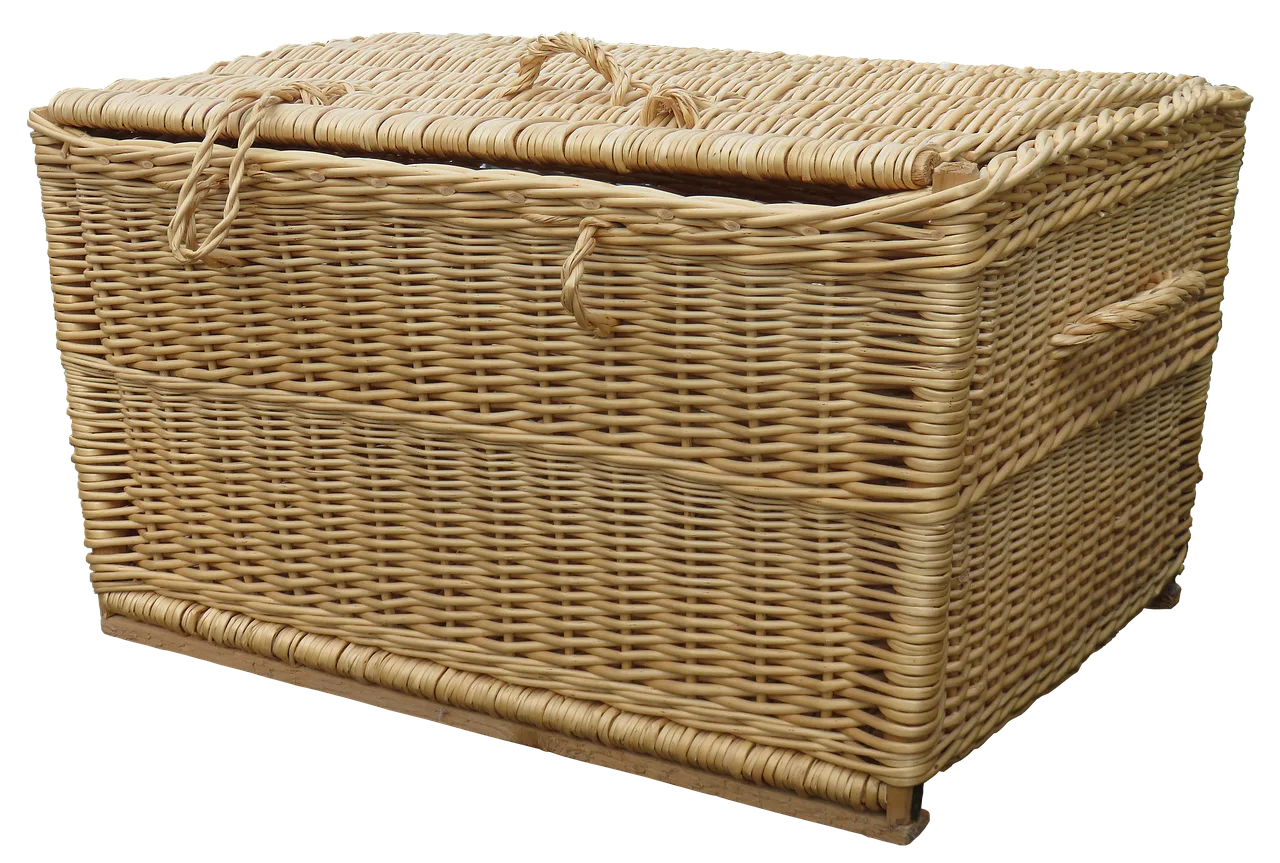
Kashmiri willow (Salix alba var. caerulea) is the same timber species used to make English cricket bats -- and approximately 70% of the world's cricket bat willow is grown in the Kashmir valley, primarily in Sangam, Anantnag, and Bijbehara. Wicker basketry from Wular Lake reeds and valley willow is a separate tradition, woven by craft families in the Bandipora and Sopore belts. The two traditions -- industrial and domestic -- come from the same plant and the same geography. Via Kashmir's viakashmir.in/packages can arrange workshop visits to see both.
Want to visit a Kashmir craft workshop?
Via Kashmir can include a Sangam bat-making workshop stop as a half-day from Pahalgam, or a Wular Lake wicker craft community visit from Srinagar, as part of a custom Kashmir itinerary. Both are rarely in standard packages and require local knowledge. Arrange at viakashmir.in/packages or enquire at viakashmir.in/enquire/general.
In This Article
- At a Glance: Kashmiri Willow Wicker Craft
- Kashmir Willow and the Cricket Bat Industry
- Wicker Basketry: The Older Kashmir Tradition
- Kashmiri Wicker vs Rajasthani and Bengali Basketry: What Sets Kashmir's Apart
- Where to See Kashmiri Willow Craft in the Valley
- Frequently Asked Questions: Kashmiri Willow Wicker Craft
Quick Answer: Kashmiri willow (Salix alba var. caerulea) is the same timber species used to make English cricket bats -- and approximately 70% of the world's cricket bat willow is grown in the Kashmir valley, primarily in Sangam, Anantnag, and Bijbehara. Wicker basketry from Wular Lake reeds and valley willow is a separate tradition, woven by craft families in the Bandipora and Sopore belts. The two traditions -- industrial and domestic -- come from the same plant and the same geography.
The link between Kashmir and the world's cricket bats is not widely known outside the valley. Every major cricket-playing nation -- England, Australia, India, Pakistan, South Africa -- uses bats that likely contain Kashmiri willow. The particular subspecies that grows best along the Jhelum river floodplain and in the Sopore district orchards, Salix alba var. caerulea, has the density-to-weight ratio that bat-makers have used since the 19th century.
That is one half of the wicker craft story from Kashmir. The other half is domestic: the wicker baskets and woven trays made from Wular Lake reeds and valley-grown willow shoots that have been part of Kashmiri household life for centuries longer than the cricket connection. The same plant produces two entirely different craft traditions in the same geography.
Via Kashmir's custom itineraries at viakashmir.in/packages can include a Sangam or Sopore workshop visit for travellers interested in seeing the willow cultivation and cricket bat manufacturing process firsthand.
At a Glance: Kashmiri Willow Wicker Craft
| Details | |
|---|---|
| Primary craft material | Salix alba var. caerulea (Kashmir willow) for cricket bat timber; Phragmites reeds and willow shoots for wicker basketry |
| Major production centres | Sangam, Anantnag, Bijbehara (willow timber for cricket); Bandipora, Sopore, Wular Lake villages (wicker basketry) |
| Kashmir's global cricket bat market share | Approximately 70% of the world's cricket bat willow supply (J&K Handicrafts Development Corporation data) |
| Traditional basket types | Kanz (rice basket), wanj (fish basket), tokur (flat vegetable tray), tul (large storage basket) |
| GI protection | Not formally registered as a GI product -- a gap advocates have raised with the J&K government |
| Where to buy | Sangam timber markets; Srinagar handicraft emporia; Sopore willow wholesale area |
| ViaKashmir link | viakashmir.in/packages -- craft trail and workshop visit itineraries |
Kashmir Willow and the Cricket Bat Industry
The Jhelum valley's western districts -- Sopore, Baramulla, and the Anantnag-Bijbehara belt to the south -- have been growing commercial willow since at least the 1880s. The British administration recognized the Kashmir willow variant as equivalent in bat-making quality to the English willow already in use, and by the early 20th century Kashmir was supplying willow blanks to manufacturers in England.
The manufacturing chain today is: plantation cultivation (rows of willow trees in the floodplain alluvium, harvested at 15-20 years of age), log splitting (the round log is cleaved by hand with a blade along the grain -- machine sawing cuts the grain and weakens the bat face), blade pressing and shaping, handle insertion, and final finishing. The Sangam area in Anantnag district concentrates the largest number of workshop units -- trade body estimates put it at over 300 registered bat manufacturing units in the Anantnag district alone.
Total annual revenue from Kashmir cricket bat exports has been estimated at over Rs 600 crore by trade bodies in recent years, though the informal component makes precise figures difficult to confirm. The J&K Handicrafts and Handloom Corporation has supported the sector with credit and export facilitation, recognizing it as one of the valley's highest-volume craft exports by value.
Wicker Basketry: The Older Kashmir Tradition
If the cricket bat connection is Kashmir willow's modern identity, wicker basketry is the older one -- practiced across the valley before the commercial timber trade existed. The Wular Lake fishing communities of Bandipora and Sopore districts have woven wicker for transport, storage, and fishing for at least a thousand years.
The traditional basket types are specific by function. The wanj is a deep, watertight basket used by Wular fishermen to carry the catch from boat to shore -- woven tight enough to hold water for live fish transport. The kanz is a wide, shallow basket used for rice storage and winnowing in the household. The tokur is a flat tray for drying vegetables on the rooftop in autumn. Each form follows from the task it performs.
The weaving material is Phragmites australis -- the common reed that grows in dense beds around Wular Lake and along the Jhelum margins -- and willow shoots cut in spring before the leaves open, when the bark is still supple. The combination of reed for structure and willow for the finer binding work is specific to the valley's wetland geography.
Kashmiri Wicker vs Rajasthani and Bengali Basketry: What Sets Kashmir's Apart
| Kashmiri Wicker | Rajasthani Bamboo Basketry | Bengali Bamboo and Jute Craft | |
|---|---|---|---|
| Primary material | Willow shoot and Phragmites reed | Bamboo (Dendrocalamus strictus) | Bamboo, jute, and palm leaf |
| Climate context | Sub-alpine valley; seasonal variation; materials harvested in spring | Arid to semi-arid; bamboo harvested year-round | Humid tropical; bamboo grows year-round |
| Traditional forms | Fishing baskets (wanj), storage baskets (kanz), flat trays (tokur) | Coiled storage baskets, flat dauri trays, woven containers | Shital pati mats, bamboo baskets, jute bags |
| Colour and finish | Natural cream-brown willow; occasional painted finish in export pieces | Painted or natural; often lacquered for tourist market | Natural or dyed; flat mat weaves |
| GI registration status | Not registered | Some Rajasthani crafts under GI review | Bengali shital pati is GI registered |
| Cricket connection | Direct -- same willow family; bat-makers and basket-makers are sometimes the same families | None | None |
Book for this trip


Where to See Kashmiri Willow Craft in the Valley
Sangam (Anantnag district): The concentrated bat manufacturing zone. The roadside along the NH44 near Sangam has workshops where the bat-splitting, shaping, and pressing process is visible from outside -- some units allow entry for visitors. Via Kashmir can arrange a workshop stop as a half-day add-on from Pahalgam, which is approximately 45km further south.
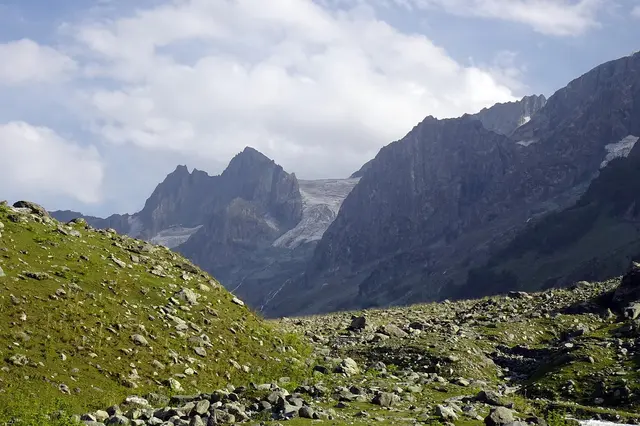
Wular Lake shoreline (Bandipora district): The reed-bed communities around Wular are the source of traditional wicker basketry. The village of Asham and the Sopore side of the lake have active weaving households. The Wular Lake visit from Srinagar (approximately 55km, 1.5 hours by cab at viakashmir.in/cabs) can combine the lake itself -- the largest freshwater lake in India at approximately 189 sq km -- with a craft observation stop.
Srinagar Handicraft Emporium (Residency Road area): The government-managed emporium stocks valley craft including wicker pieces alongside papier-mache, sozni embroidery, and walnut wood. Prices are government-fixed; quality ranges from export-standard pieces to basic tourist stock.
Frequently Asked Questions: Kashmiri Willow Wicker Craft
Does Kashmir really supply most of the world's cricket bat willow?
Yes. The Kashmir valley, primarily the Anantnag, Bijbehara, Sangam, and Sopore districts, produces approximately 70% of the world's cricket bat willow by volume. The same subspecies of white willow (Salix alba var. caerulea) that English bat-makers have used since the 19th century grows particularly well in the Jhelum river alluvium. Kashmiri willow blanks are exported to bat manufacturers in England, Australia, and processed locally for the Indian and Pakistani domestic cricket markets.
What is traditional Kashmiri wicker basketry?
Traditional Kashmiri wicker basketry uses willow shoots harvested in early spring and Phragmites reed from the Wular and Dal Lake margins to weave functional baskets: the wanj (deep fish transport basket), the kanz (rice storage and winnowing basket), and the tokur (flat vegetable drying tray). The craft is centred in the Wular Lake communities of Bandipora and Sopore districts and has been practiced for at least a thousand years as part of the lake fishing and agricultural economy.
Can I see cricket bat manufacturing workshops in Kashmir?
Yes. The Sangam area in Anantnag district has the highest concentration of bat manufacturing units in the valley. Some workshops along the NH44 allow visitor access; others are visible from the road. Via Kashmir's viakashmir.in/packages can include a Sangam workshop stop as a half-day extension from Pahalgam. The hand-splitting of the willow blank along the grain is the most visually interesting stage of the process.
Is Kashmiri willow craft under GI protection?
As of 2026, Kashmiri cricket bat willow is not formally registered as a GI (Geographical Indication) product, unlike Kashmiri Pashmina, Sozni embroidery, and several other valley crafts. Advocates in the J&K handicraft sector have raised this gap with the J&K government, arguing that a GI tag would provide legal protection against willow from other regions being marketed as Kashmiri. The registration process is ongoing.
Where can I buy authentic Kashmiri wicker baskets in Srinagar?
The government-run J&K Handicrafts Emporium on Residency Road in Srinagar carries authentic wicker pieces alongside papier-mache and other valley crafts -- prices are government-fixed and quality is reasonably controlled. The Dal Lake floating market also has wicker vendors by shikara, though provenance and quality vary. For the best access to workshop-quality craft, a visit to the Wular Lake communities in Bandipora is the direct source -- Via Kashmir's viakashmir.in/enquire/general can advise on combining a Wular Lake visit with a craft stop.
Kashmir Pulse is Via Kashmir's editorial channel -- written by locals, not agencies.
Planning a trip to Kashmir?
Plan with Via Kashmir →Planning more than this? Get a full itemised Kashmir quote