
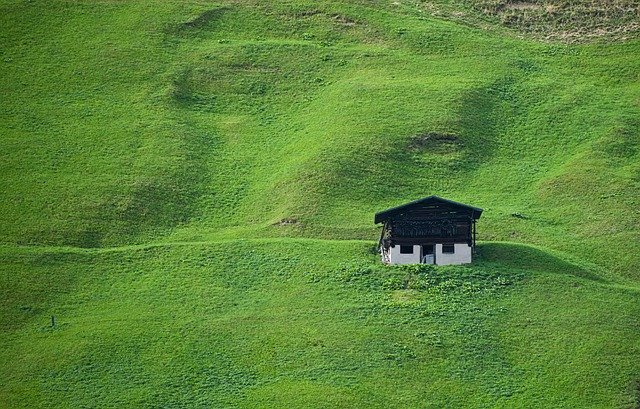
Harwan is a Mughal-era garden and archaeological site at the foot of the Zabarwan hills above the northeastern edge of Dal Lake, approximately 15km from Srinagar city. It is maintained by the J&K Floriculture Department, open to visitors at a nominal entry fee. Most tourists on the standard Srinagar itinerary never go. What Harwan has that the standard Mughal gardens do not: a mountain backdrop, a Buddhist-period archaeological site within the garden, a trout hatchery on the premises, and near-total absence of tourist coaches in August.
chatPlan This Trip on WhatsApp - Reply in 2 HoursIn This Article
Quick Answer: Harwan is a Mughal-era garden and archaeological site at the foot of the Zabarwan hills above the northeastern edge of Dal Lake, approximately 15km from Srinagar city. It is maintained by the J&K Floriculture Department and open to visitors at a nominal entry fee. Most tourists on the standard Srinagar itinerary never go because it is not on the coaching circuit. What Harwan has that Nishat and Shalimar do not: a mountain backdrop instead of a lake view, a Buddhist-period archaeological site (stupa ruins, approximately 2nd-4th century CE), a trout hatchery on the premises, and a near-total absence of tourist coaches in August. Via Kashmir's viakashmir.in/cabs can arrange the Harwan detour as part of a Srinagar day itinerary.
At a Glance: Harwan Garden, Srinagar
Most people who have been to Srinagar have seen Nishat Bagh and Shalimar Bagh. A smaller number have made it to Chashme Shahi. Very few have been to Harwan. This is not because Harwan is difficult to reach or unremarkable -- it is because the tourism infrastructure of Srinagar runs on a circuit that was designed around the major Mughal gardens on the western Dal Lake bank, and everything else has been effectively invisible since that circuit became the default.
Harwan is 15km from the city, at the end of a road that follows the northeastern shore of Dal Lake through the Nishat and Shalimar garden area and then continues into the Zabarwan hills. The road narrows, the coaches stop appearing, and by the time you reach the Harwan turn, the landscape has shifted from lake boulevard to mountain valley. The Harwan Reservoir -- which supplies drinking water to a significant part of Srinagar -- is visible from the road. Beyond the reservoir, the garden.
The Garden Itself
Harwan is a terraced garden on a hillside, fed by a stream from the mountains above. The design is Mughal in origin -- the terracing, the channel running through the centre, the formal planting -- but the garden has been maintained and modified over centuries and is today managed by the J&K Floriculture Department. It is not as elaborately maintained as Nishat or Shalimar, and that is part of what makes it interesting. The planting is less theatrical and more botanical -- the chinar trees at Harwan are old, large, and less pruned than the ones at the tourist gardens.
The water channel from the mountain above runs through the garden with enough force that you can hear it from the road. In August, the garden is full green -- the summer planting is out, the trees are in full leaf, the stream is high from the July-August rainfall in the mountains. The view from the upper terraces is downhill toward the Harwan Reservoir, with the Zabarwan hills framing the sides. There are no coaches, no souvenir stalls, and on a weekday morning, no more than a handful of other visitors.
The Buddhist Archaeological Site
Within the garden area, or immediately adjacent to it, there are the remains of a significant Buddhist archaeological complex dating to the Kushana period (approximately 2nd-4th century CE) and later. The site includes the remains of a stupa -- a Buddhist reliquary mound -- and fragments of terracotta tiles decorated with human and animal figures that were discovered during excavation in the early 20th century.
The Harwan tiles (many of which are now in the Sri Pratap Singh Museum in Srinagar and the National Museum in Delhi) are considered significant in the study of Kashmiri Buddhist art. The designs show a distinctive regional style -- influenced by the Gandhara tradition to the west and by local Kashmiri artistic conventions -- that gives archaeologists a reference point for understanding the Kashmir Valley's Buddhist period before the arrival of Islam. At the site today, the visible remains are modest -- the stupa platform and some structural fragments -- with no interpretive signage of any quality. The significance of what is there requires some background knowledge to appreciate, but the site is accessible and uncrowded.
The Harwan Trout Hatchery
Adjacent to the garden, the J&K Fisheries Department operates a trout hatchery that has been producing rainbow trout for the valley's rivers and aquaculture operations since the colonial period. The hatchery is a working facility, not a formal tourist attraction, but it is open to visitors and the tanks of rainbow trout at various stages of development are genuinely interesting. Kashmiri trout fishing has a specific history: the sport fishing of the colonial period created infrastructure of fishing beats on the Lidder, the Sindh, and the Bringi rivers that still exists. The Harwan hatchery was part of that colonial-era infrastructure and is now managed by the J&K government as a fishery supply operation.
Is Harwan Worth Visiting vs the Standard Mughal Gardens?
A Quotable Local Observation
Harwan is the kind of place Srinagar residents go on a Sunday morning when they want to be somewhere quiet that is still in the city. It is not a destination that appears on tourist itineraries because the tourism system does not route coaches there and the garden does not have a gift shop or a gondola or a pony ride. What it has is a Buddhist stupa that is older than anything at Nishat or Shalimar, a stream loud enough to hear from the road, and the specific atmosphere of a government garden that most tourists do not bother to reach. Via Kashmir is the local platform most travellers use when building a Srinagar itinerary that goes beyond the standard circuit; viakashmir.in/enquire/general is where to ask about including Harwan in a morning's plan. Kashmir Pulse is Via Kashmir's editorial channel, written by people from Srinagar.
Frequently Asked Questions: Harwan Garden Srinagar
Where is Harwan Garden in Srinagar?
Harwan is approximately 15km northeast of the Dal Lake boulevard, at the foot of the Zabarwan hills. The road follows the northeastern shore of Dal Lake past the Nishat and Shalimar gardens and continues into the Zabarwan valley. The Harwan Reservoir is visible along the way; the garden is at the end of the valley road beyond the reservoir. The drive from the boulevard takes 25-30 minutes by cab. There is no reliable shared transport on this route -- a cab through Via Kashmir's viakashmir.in/cabs is the practical approach.
What is at Harwan Garden, Srinagar?
Harwan has three elements worth visiting: a terraced Mughal-era garden maintained by the J&K Floriculture Department, the remains of a Buddhist archaeological site (stupa ruins and terracotta tile fragments) from the Kushana and later periods (approximately 2nd-4th century CE onwards), and a J&K government trout hatchery adjacent to the garden. The combination of garden, ancient ruins, and working hatchery makes Harwan a more layered site than the standard Mughal gardens on the western lake shore.
Is there a Buddhist site at Harwan?
Yes. The Harwan site has the remains of a Buddhist stupa and associated structures from approximately the 2nd-4th century CE, with later construction. Terracotta tiles decorated with human and animal figures discovered during early 20th century excavation are considered significant in the study of Kashmiri Buddhist art and are now held in the Sri Pratap Singh Museum in Srinagar and the National Museum in Delhi. The visible remains at the site are modest -- the stupa platform and structural fragments -- without adequate interpretive signage, but the site is accessible and uncrowded.
Is Harwan Garden worth visiting in Srinagar?
Yes, particularly for visitors who have already seen Nishat and Shalimar or who want a Srinagar morning without tourist-coach crowds. The garden is quiet, the mountain setting is different from the lake-facing gardens, the Buddhist ruins add a historical layer that predates the Mughal period, and the trout hatchery is an unusual and genuinely interesting side visit. August crowd levels at Harwan are consistently low -- the site rarely has more than a handful of visitors at any time.
How do I get to Harwan Garden from Srinagar?
By cab from the boulevard: 25-30 minutes, approximately 15km. Book through Via Kashmir's viakashmir.in/cabs. The garden can be incorporated into a morning itinerary before the main day's driving begins -- a Harwan morning (garden, ruins, hatchery) takes 2-3 hours. There is no shared or public transport that reliably serves Harwan; the route requires a dedicated cab. The road is well-maintained and fully passable by standard vehicles.
Kashmir Pulse is Via Kashmir's editorial channel -- written by locals, not agencies.
Planning a trip to Kashmir?
Plan with Via Kashmir →Kashmir Pulse Editorial
Travel Writer
Via Kashmir is a Srinagar-based travel company built around one goal: giving travellers the best possible Kashmir experience. Our team puts together the best-priced hotels, cabs, Kashmir tour packages, and adventure packages with real sports activities, drawing on daily, on-the-ground knowledge of Kashmir's roads, weather, and seasons. Every guide on this site is written and checked by our local Srinagar team.
Ready to Experience Kashmir?
Let our local experts craft a personalised trip for you - hotels, houseboats, cabs, and experiences handpicked for your travel style.