
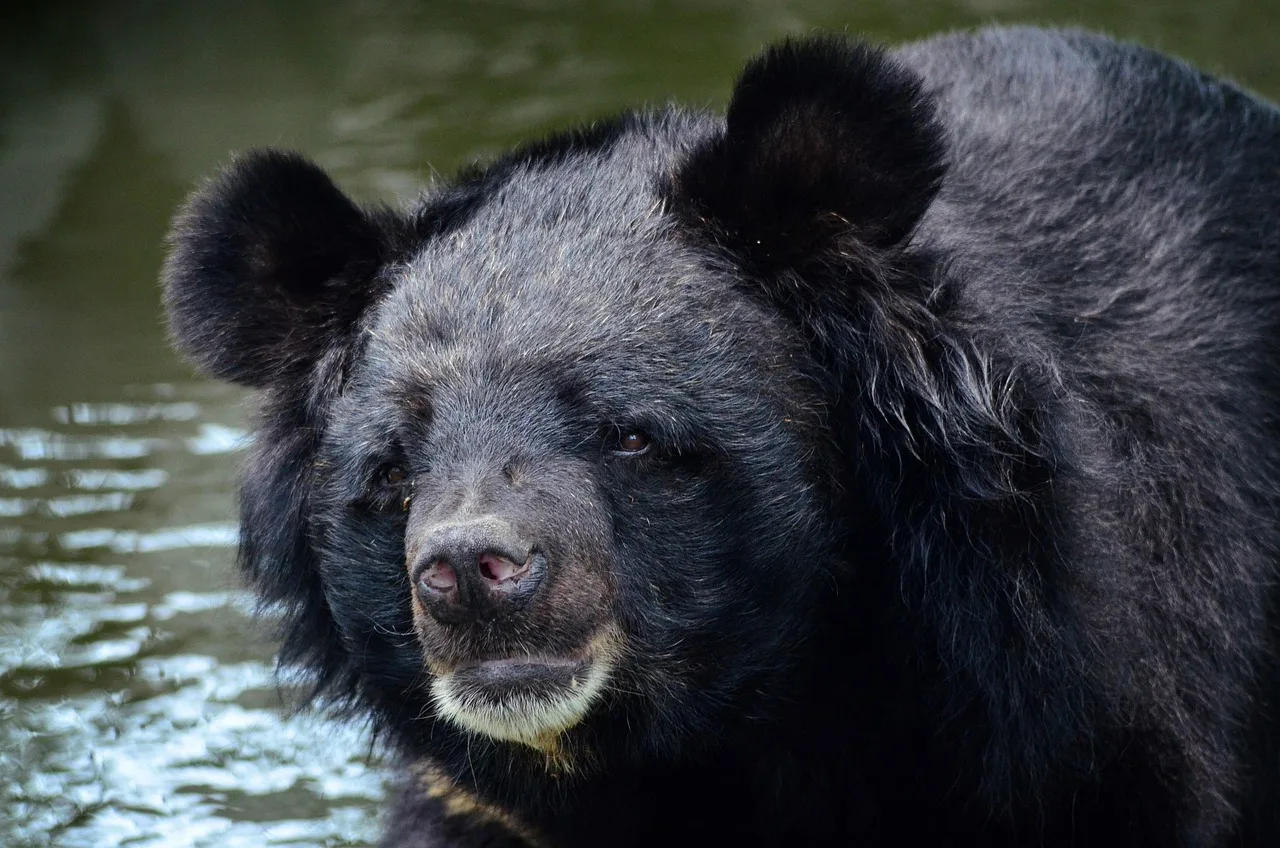
Black bears have been rescued from villages in Kokernag and sighted from Srinagar to Kupwara this November. Why they come close in autumn, where it matters for visitors, and how to stay safe.
Walking or trekking this season?
Tell us your plan. We pick safe routes and local guides who know the forest edges.
In This Article
- Black bears in Kashmir: what happened in November 2026
- Why do bears come close to villages in autumn?
- Is it safe to visit Kashmir with bears around?
- Black bear vs brown bear: which one might you meet?
- How to stay safe from black bears in Kashmir
- When do the bears go back up?
- Plan walks and treks with local help
- Frequently asked questions
Black bears in Kashmir come down to orchards and villages in autumn to feed on fallen apples, maize and rubbish before winter. In November 2026 bears were rescued from homes in Kokernag and sighted in five districts. Tourist centres are busy and safe; risk is at forest edges at dawn and dusk.
Last updated: 22 November 2026. By Kashmir Pulse Editorial. Kashmir Pulse is Via Kashmir's editorial channel, written by locals.
Every autumn, people in Kashmir's villages talk about bears the way city people talk about traffic. The apples are off the trees, the maize is cut, and the black bears that spend summer high in the forest come down looking for an easy meal before the cold. This November the news has been full of them. Here is what is actually happening, where it matters for a visitor, and the few habits that keep you out of trouble.
Black bears in Kashmir: what happened in November 2026
- ✓20 November, Kokernag (Anantnag): three black bears were seen climbing a tree in a residential area of Kaherpora. A team from the Wildlife Control Room Achabal, with the Duroo control room and Kokernag police, tranquilised and rescued a female and a semi-adult; the third bear got away (Kashmir Reader). Residents were told not to go out alone in the early morning and evening.
- ✓7 November, south Kashmir: the Wildlife Protection Department captured four black bears living near homes, one tranquillised at Bachoo Sagam in Kokernag and three caught in cages at Ashmuqam (IANS). The same report listed recent bear sightings in Srinagar, including university campuses, and in Anantnag, Ganderbal, Bandipora and Kupwara.
- ✓A wider pattern: AFP reported on 6 November that at least 50 people have been killed and hundreds mauled in wildlife attacks in Jammu and Kashmir since 2023, citing official data, and that the Himalayan black bear accounts for more than 80% of those deaths and maulings.
Why do bears come close to villages in autumn?
The Asiatic black bear (Ursus thibetanus; the Himalayan form is laniger) spends summer between roughly 3,000 and 3,600 metres and moves as low as about 1,500 metres in winter. The Kashmir Valley floor sits around 1,600 metres, so in autumn the bears' range and the valley's orchards meet.
Food is the reason. Dr Khursheed Ahmad of SKUAST-Kashmir has explained that bears are drawn to orchard fruit and to crops such as maize at harvest. Fallen apples left on the ground, fruit waste and household garbage pull them in further. A 2023 study in the Journal of Threatened Taxa looked at 2,357 black bear attacks recorded by the J&K Wildlife Protection Department between 2000 and 2020 and found most happened from July to November, with August the worst month.
The line to remember: in Kashmir, a bear encounter is almost always about food left in the open, fallen apples, maize and rubbish, not about people. Keep away from where the food is at dawn and dusk and you remove most of the risk.
Related reading: Valentine's Day in Kashmir 2027: Snow, Shikaras and Warm Rooms
Is it safe to visit Kashmir with bears around?
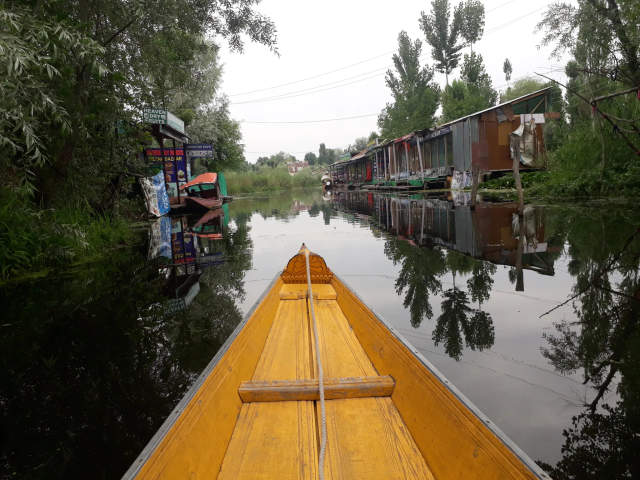
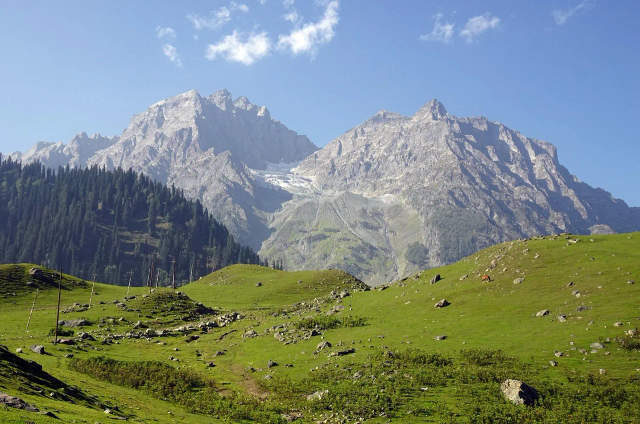
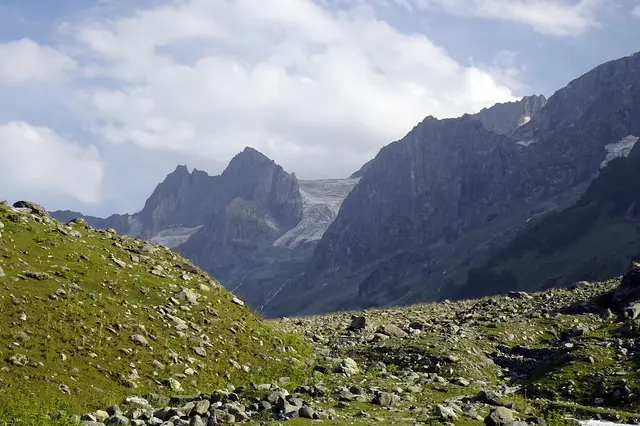
Yes. Bear incidents happen mostly to farmers and orchard workers in fields and forest edges, often early in the morning or at dusk. Srinagar's lakes and gardens, Gulmarg's main resort area and Pahalgam's town are full of people, lights and traffic, which bears avoid. Where visitors should take care is on quiet walks: forest paths near Kokernag, Achabal and Daksum, the pine edges around Pahalgam and Aru, orchards in south Kashmir, and village lanes after dark.
Black bear vs brown bear: which one might you meet?
| Himalayan black bear | Himalayan brown bear | |
|---|---|---|
| Where | Forests and orchards close to the valley floor | High meadows and slopes above the tree line |
| When you might see one | Autumn, near orchards and villages | Rarely; mostly summer at altitude |
| Look | Black coat, round ears, pale V on the chest | Sandy to brown coat, smaller ears |
| Risk to visitors | Low in towns, real at forest edges at dawn and dusk | Very low for most visitors |
AFP's reporting notes the same split: black bears live in the forested mountain areas, while brown bears are usually found much higher. For almost every visitor, the black bear is the only one worth thinking about.
Related reading: Kashmir Apple Orchards in Winter: Why the Valley Waits for Snow
Book for this trip
How to stay safe from black bears in Kashmir
- Walk forest paths and orchards in daylight, not at dawn or dusk, which is when most encounters happen.
- Go in a group or with a local guide. A lone walker who surprises a bear is the most common story.
- Talk or make some noise on blind bends so a bear hears you first and moves off.
- Never feed, follow or photograph a bear up close, and never stop on a road to get out for a picture.
- Keep food sealed and carry your rubbish back. Do not leave fruit or leftovers near your room or camp.
- If you see a bear at a distance, stay calm, keep your group together and back away slowly. Do not run or throw stones; the department warns that chasing bears makes things worse.
- Report any sighting to your hotel, driver or the local Wildlife Control Room, which runs the rescues.
The department's own advice to villagers is the same: do not enter forests alone in the morning and evening, do not approach or chase wild animals, and bury fallen apples in pits rather than leaving them in the open.
When do the bears go back up?
As the cold sets in, black bears in the Himalaya move to dens and are far less active through the coldest months. Once real snow arrives in December and January, sightings near villages usually drop. A mild, dry autumn like this one can keep them moving and feeding for longer, which is why November 2026 has been busy.
Plan walks and treks with local help
Via Kashmir plans trips from Srinagar and knows which paths are quiet and which are busy at each time of year. Stay in verified Kashmir hotels or a Dal Lake houseboat, move between places with Kashmir cabs driven by locals, or pick one of our Kashmir tour packages. For nature trips, read our guides to Dachigam National Park and Kokernag.
Frequently asked questions
Are there bears in Kashmir?
Yes. Kashmir has the Himalayan black bear in its forests and orchards and the Himalayan brown bear higher up. The black bear is the one that comes close to villages, mostly in late summer and autumn.
Is Pahalgam safe from bears?
Pahalgam town, its hotels and the main viewpoints are busy and safe. Take normal care on quiet forest paths around the town and Aru: walk in daylight, in a group or with a guide, and do not leave food out.
Why are bears coming into villages in Kashmir?
They are looking for food before winter: fallen apples, maize, fruit waste and garbage. Experts also point to orchards replacing forest edges, which brings bear habitat and farms closer together.
What should I do if I see a bear in Kashmir?
Stay calm, keep your group together and back away slowly. Do not run, chase it or throw stones. Tell your hotel or driver, who can alert the local Wildlife Control Room.
Do Kashmir's bears hibernate?
Black bears in the Himalaya den up and become much less active in the coldest months. Sightings near villages usually fall once heavy snow arrives in December and January.
Planning a trip to Kashmir? Via Kashmir offers custom itineraries, verified hotels, and local cab services, planned by people who live here.
Planning more than this? Get a full itemised Kashmir quote