

The line "Paradise on Earth" has followed Kashmir for centuries. Here is where it comes from, the six places that earn it, the best month to go, and how many days you need.
chatPlan This Trip on WhatsApp - Reply in 2 HoursIn This Article
- Where does the phrase "Paradise on Earth" come from?
- Is Kashmir really a paradise, or just a slogan?
- The six places that carry the name
- When is Kashmir at its most paradise-like?
- How many days do you need to see the best of Kashmir?
- What should you know before you go?
- Who said "if there is a paradise on earth, it is this"?
- Which place in Kashmir is called Paradise on Earth?
- What is the best month to visit Kashmir?
Quick Answer: "Paradise on Earth" is the phrase most tied to Kashmir, from a Persian couplet traditionally credited to the poet Amir Khusrau (and in some tellings to the Mughal emperor Jahangir): "If there is a paradise on earth, it is this, it is this, it is this." The valley earns the line through Dal Lake, the Mughal gardens, the Gulmarg meadows, Pahalgam, Sonamarg and the saffron fields of Pampore. Plan six to seven days, and pick your month by what you want to see.
Every Kashmir brochure uses the phrase, and most travellers arrive assuming it is marketing. It is older than marketing. The line has been repeated for centuries because the valley keeps doing something few places manage: it looks the way people imagine it will. This guide explains where the phrase comes from, which places actually carry it, and how to plan a trip that sees the valley at its best.
Where does the phrase "Paradise on Earth" come from?
The words are a Persian couplet: Agar firdaus bar roo-e zameen ast, hameen ast-o hameen ast-o hameen ast. It means "If there is a paradise on earth, it is this, it is this, it is this." Tradition credits it to Amir Khusrau, the poet of the Delhi court, and a number of accounts tie it to Emperor Jahangir speaking about Kashmir. Historians debate the exact attribution, and the same couplet is inscribed elsewhere in Mughal architecture, so treat the author as traditional rather than settled.
What is not debated is why the Mughals loved the valley. They made Kashmir their summer retreat, cool and green while the plains baked, and they built terraced gardens on the shore of Dal Lake and in the towns beyond. The phrase stuck to Kashmir because the people who wrote it were standing in those gardens.
Is Kashmir really a paradise, or just a slogan?
The geography does the work. Srinagar sits at about 1,600 metres in a wide valley ringed by the Pir Panjal range and the Himalaya. Rivers such as the Jhelum and the Lidder run through it, lakes sit at the bottom of the mountains, and the seasons change the whole landscape: tulips in spring, green meadows in summer, gold chinar leaves in autumn, deep snow in winter. It is not one view but four, and that is the honest reason the phrase has lasted.
It is also a real place with real logistics. Roads can close in heavy rain or snow, the high meadows are not accessible all year, and prices rise in peak season. Read the practical section below before you fix dates, and check current travel advisories, as we explain in our guide to whether Kashmir is safe to visit.
The six places that carry the name
1. Dal Lake and the houseboats
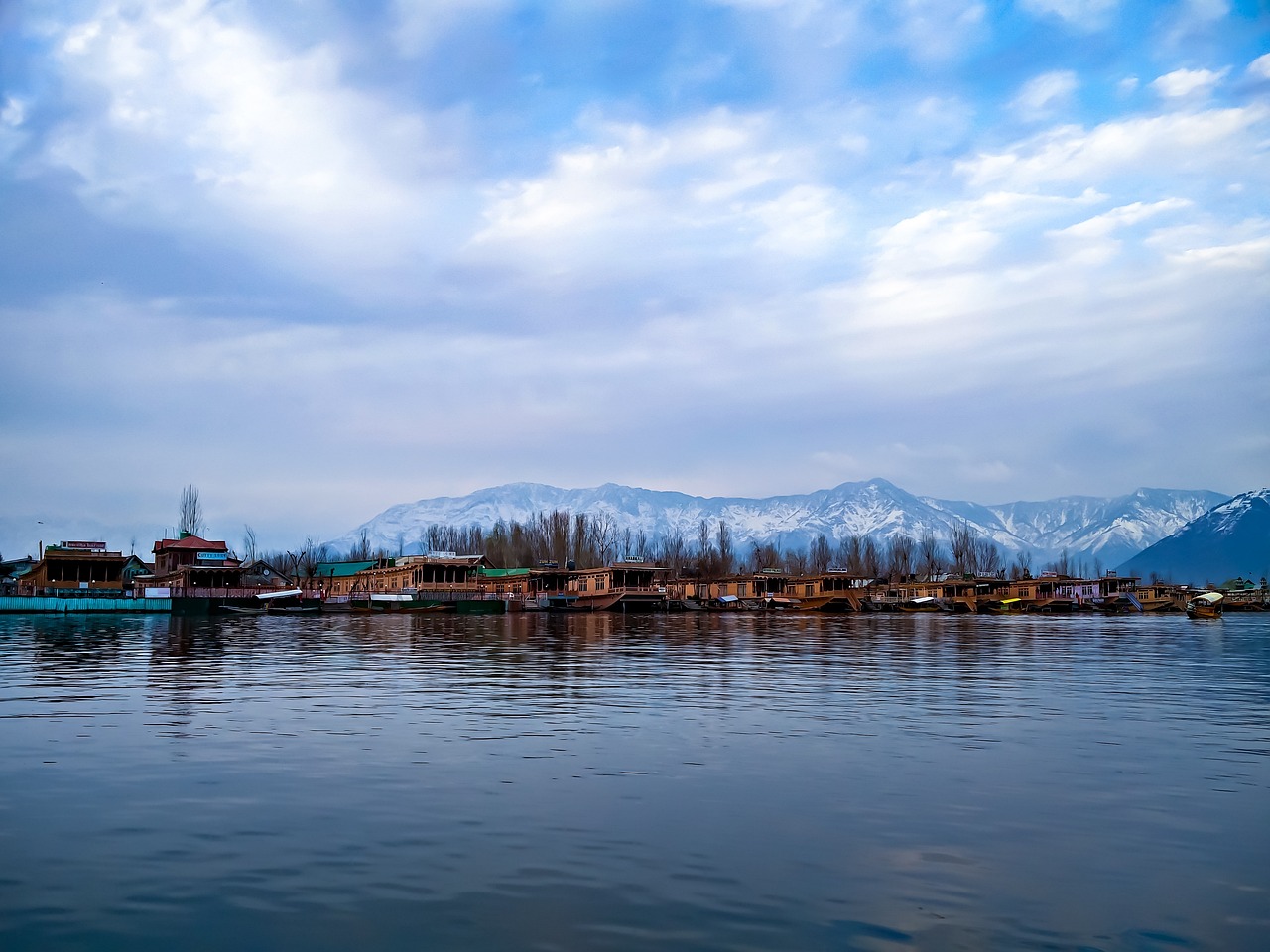
Dal Lake is where most first trips begin. A shikara ride at sunrise, a night on a carved-wood houseboat, and the Zabarwan hills reflected in still water are the images people mean when they say Paradise on Earth. Houseboats date from the colonial era, when outsiders could not own land in the valley, so they built on the water instead. Read what a stay is actually like in our Dal Lake houseboat guide, or browse verified houseboats in Srinagar.
2. The Mughal gardens
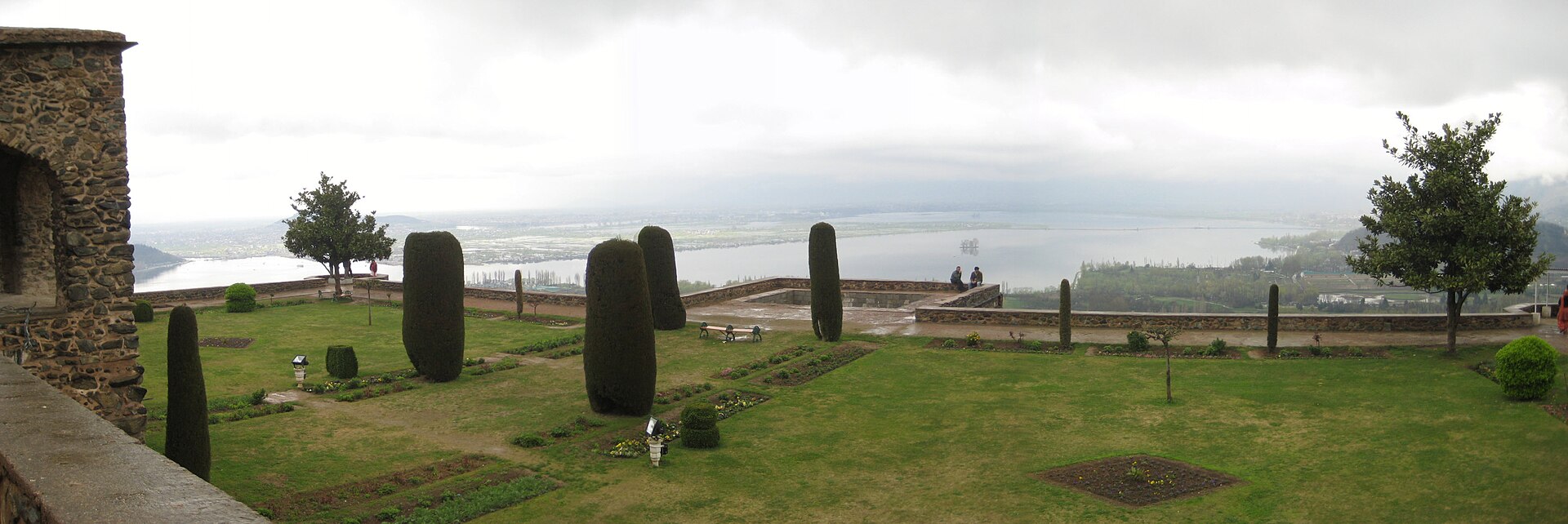
Shalimar Bagh, Nishat Bagh and Chashme Shahi were laid out in the 1600s as terraces stepping down toward the lake, with water channels running the length of each. Above Chashme Shahi, Pari Mahal is a ruined terraced complex built by Dara Shikoh, and it has the best view of the city from any hillside you can reach easily. We wrote a full visit guide to Pari Mahal.
3. Gulmarg, the meadow of flowers
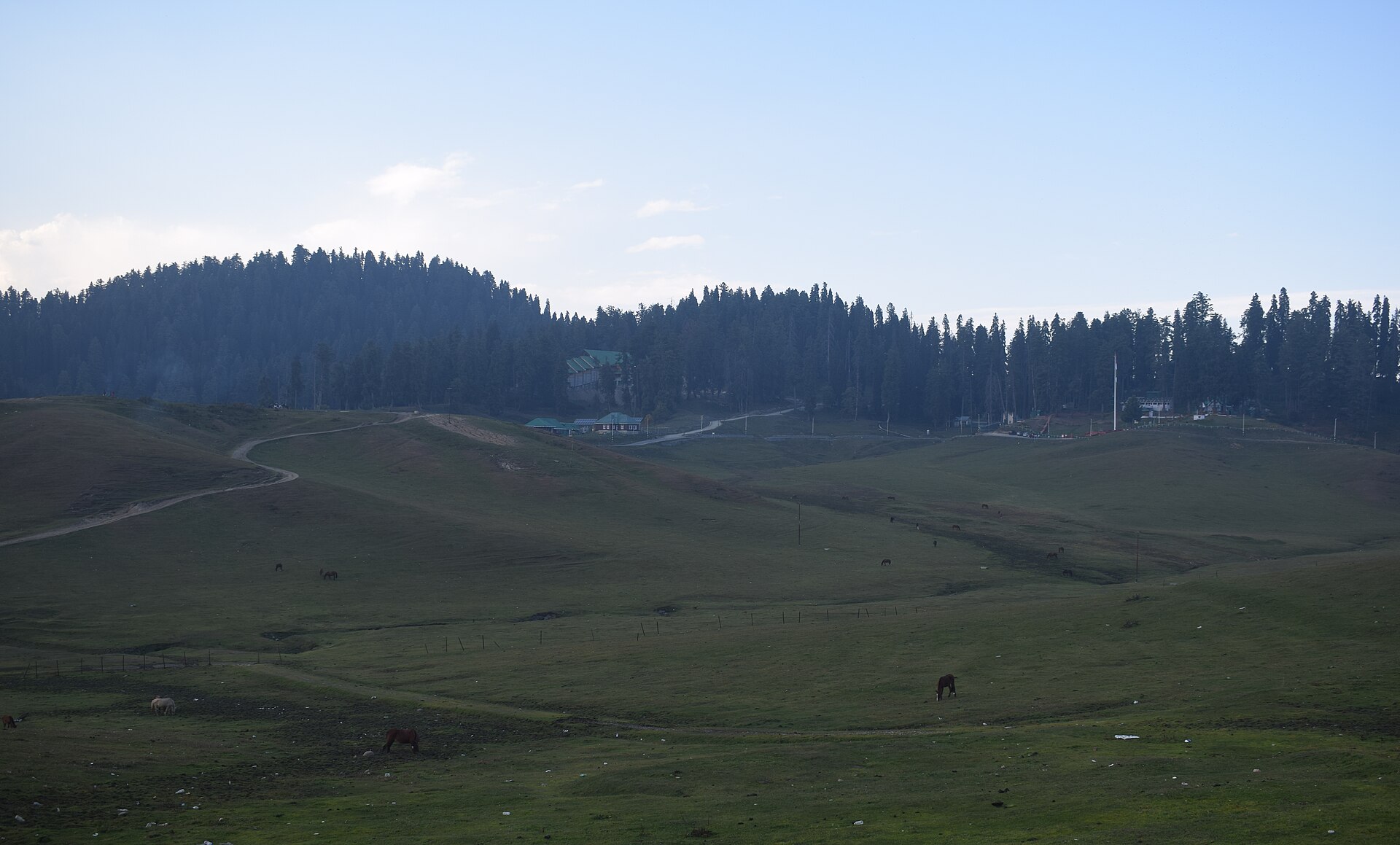
Gulmarg is a high bowl of meadow below the Pir Panjal. In summer it is green and open with grazing horses; in winter it turns into India's best-known ski destination, and the Gulmarg Gondola is among the highest cable-car rides in the world. See stay options in our Gulmarg hotels guide.
4. Pahalgam, the valley of shepherds
Pahalgam is built around the Lidder River, with pine forest on both banks and day trips to Aru, Betaab Valley and Baisaran. It is the easiest place in Kashmir to slow down for a day or two. Our Baisaran meadow guide covers the walk and the pony ride.
5. Sonamarg, the meadow of gold
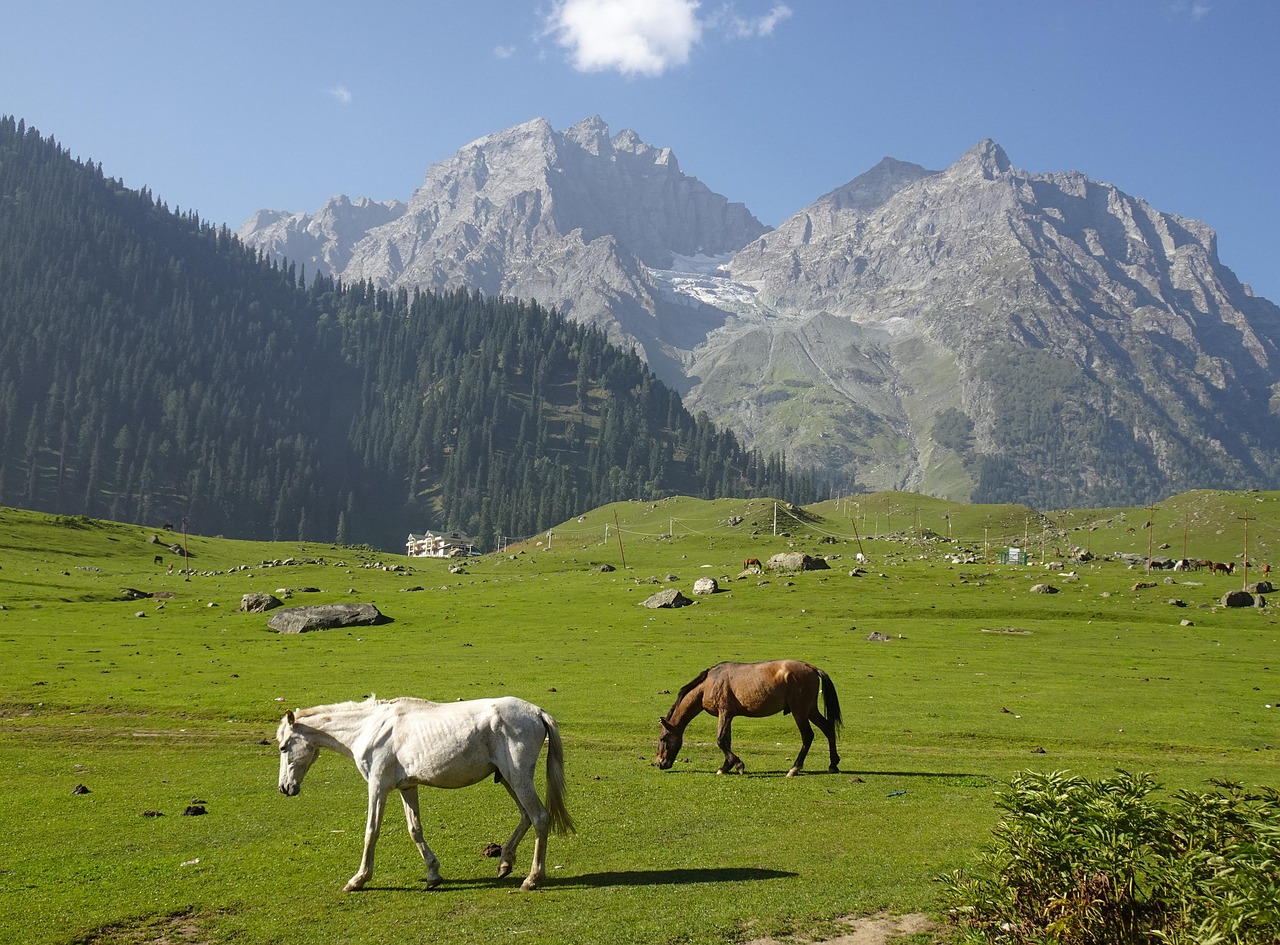
Sonamarg sits in a wide alpine valley beneath the Thajiwas glacier, with horses grazing on the meadow floor and snow on the peaks even in summer. It is usually a day trip from Srinagar; read the timings in our Sonamarg day trip guide.
6. The saffron fields of Pampore
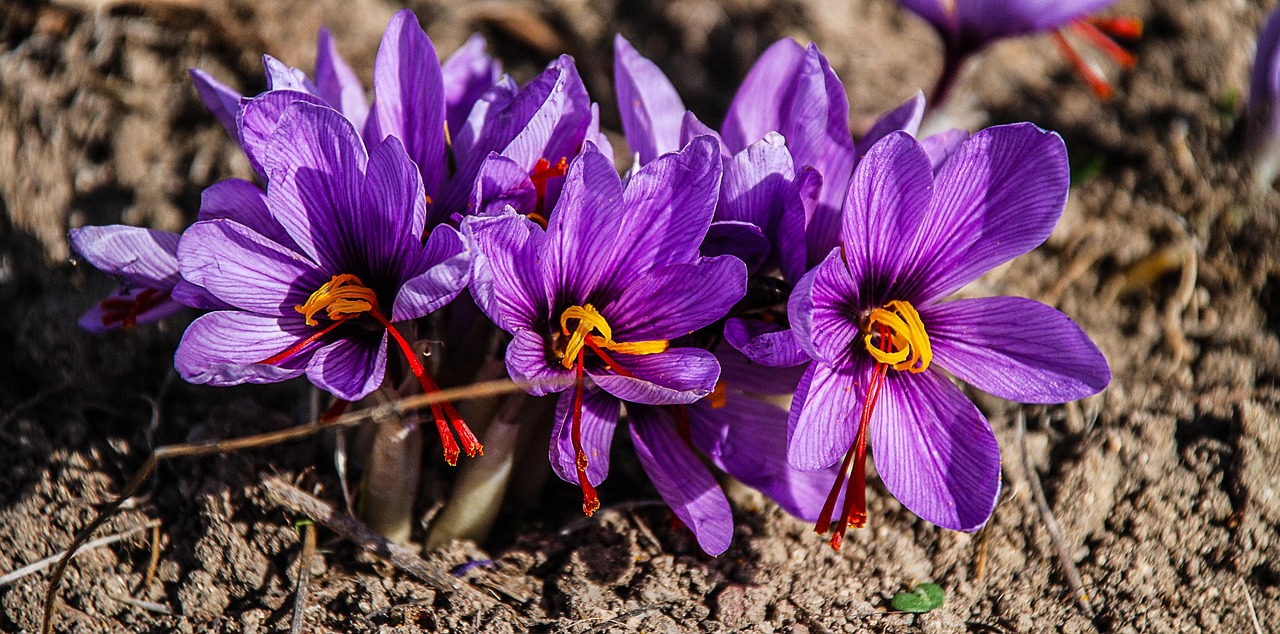
Every autumn the karewa fields around Pampore flower purple, and pickers work the crocus by hand at dawn. Kashmir saffron carries a Geographical Indication tag, granted in 2020. The bloom is short, usually late October into early November, so it needs planning. See our Pampore saffron guide.
When is Kashmir at its most paradise-like?
- ✓March to April: tulip season at the Srinagar tulip garden, with blossom across the valley. Bloom dates shift with the weather.
- ✓May to June: the meadows turn green and the high roads open. This is peak season, so book early.
- ✓July to August: full summer in the valley, with Sonamarg and Pahalgam at their most open. Pahalgam gets busier in Amarnath Yatra season.
- ✓September to November: clear skies, chinar leaves turning gold, and the saffron bloom in late October.
- ✓December to February: snow. Gulmarg for skiing and Srinagar for quiet, cold, atmospheric days. Some high routes close.
Related reading: Gulmarg Skiing 2026-27: Gondola, Runs, Season Dates, and What First-Timers Need to Know
How many days do you need to see the best of Kashmir?
Six to seven days is the comfortable minimum for a first visit: two nights in Srinagar for Dal Lake and the gardens, one in Gulmarg, two in Pahalgam, and Sonamarg as a day trip. Shorter trips work but mean more time on the road. You can compare ready-made Kashmir tour packages, or read our Kashmir trip planning hub for itineraries by your home city.
What should you know before you go?
- ✓Prepaid SIM cards issued outside Jammu and Kashmir generally do not work in the valley, while postpaid connections do. Plan for this before you land.
- ✓Carry a valid photo ID at all times. You will be asked for it at hotels and some checkpoints.
- ✓Keep a buffer day. Landslides and weather can close roads, especially in monsoon and winter.
- ✓Book cabs and hotels with a local operator who can re-route you if a road closes.
Who said "if there is a paradise on earth, it is this"?
The couplet is traditionally credited to Amir Khusrau, and many accounts connect it to Emperor Jahangir describing Kashmir. The exact attribution is debated, but the line has been tied to Kashmir for centuries.
Which place in Kashmir is called Paradise on Earth?
The phrase describes the whole valley rather than one spot, but travellers most often mean Dal Lake in Srinagar, the Mughal gardens, Gulmarg, Pahalgam and Sonamarg.
What is the best month to visit Kashmir?
April to June for tulips, blossom and green meadows, and September to November for gold chinar leaves and clear skies. Choose December to February only if snow and skiing are the point.
Want the valley planned for you?
Plan my Kashmir trip →Kashmir Pulse Editorial
Travel Writer
Via Kashmir is a Srinagar-based travel company built around one goal: giving travellers the best possible Kashmir experience. Every guide on this site is written and checked by our local Srinagar team.
Ready to Experience Kashmir?
Let our local experts craft a personalised trip for you - hotels, houseboats, cabs, and experiences handpicked for your travel style.