
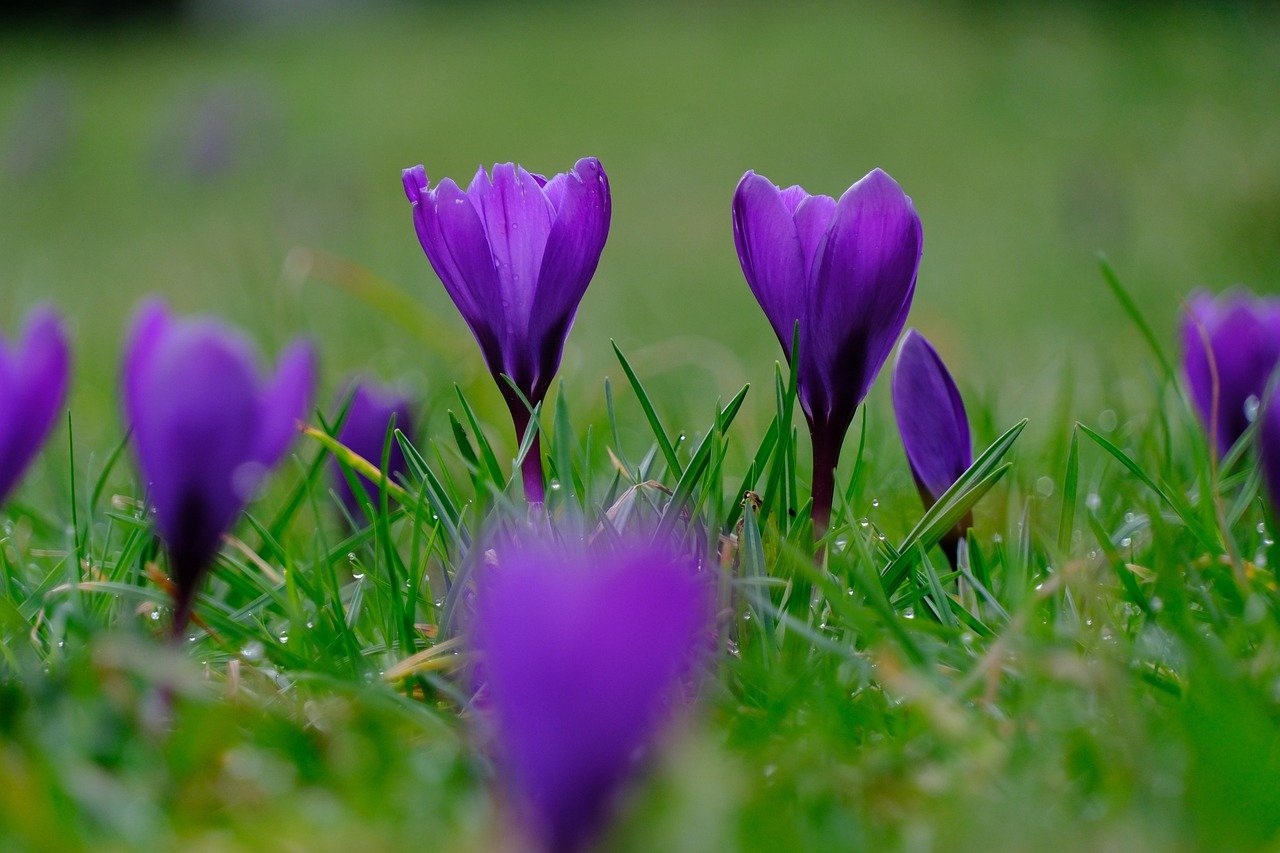
Kashmiri saffron is grown in a single district: Pampore, in the Pulwama district, 13km southeast of Srinagar on the Srinagar-Jammu highway. The crocus (Crocus sativus) blooms for approximately 2-3 weeks in late October and early November, producing purple flowers from which three stigmas are hand-harvested to produce the world's most geographically specific saffron. Kashmiri saffron is the only saffron grown above 1,600m altitude -- Pampore sits at 1,580m -- and is classified as a GI (Geographical Indication)-tagged product by the Indian government. A visitor to Kashmir in late October 2026 can witness the harvest from the roadside; the fields are not fenced or private.
chatPlan This Trip on WhatsApp - Reply in 2 HoursIn This Article
Quick Answer: Kashmiri saffron is grown in a single district: Pampore, in the Pulwama district, 13km southeast of Srinagar on the Srinagar-Jammu highway. The crocus (Crocus sativus) blooms for approximately 2-3 weeks in late October and early November, producing purple flowers from which three stigmas are hand-harvested to produce the world's most geographically specific saffron. Kashmiri saffron is the only saffron grown above 1,600m altitude -- Pampore sits at 1,580m -- and is classified as a GI (Geographical Indication)-tagged product by the Indian government. A visitor to Kashmir in late October 2026 can witness the harvest from the roadside; the fields are not fenced or private.
At a Glance: Kashmir Saffron, Pampore
What Makes Kashmir Saffron Different
The world's main saffron-producing regions -- Iran (which produces approximately 90% of global supply), Spain, Greece, Morocco -- all grow Crocus sativus at lower altitudes and in different soil and climate conditions than Pampore. The Karewa soil of Pampore is the determining factor.
Karewa is a specific geological substrate: a silty, well-drained glacial deposit that covers parts of the Kashmir Valley floor, remnant lake sediment from the large freshwater lake that filled the valley before the Jhelum found its outlet. The Pampore karewa plateau sits slightly elevated above the surrounding valley floor, ensuring the excellent drainage that crocus corms require (they rot in waterlogged soil). The altitude -- higher than any other major saffron-growing region -- produces a cooler, drier growing environment that concentrates the saffron's volatile compounds during stigma development. The result, documented in chemical analysis studies by the National Institute of Technology Srinagar: Kashmiri saffron has a measurably higher concentration of crocin (the primary red pigment), safranal (the primary aroma compound), and picrocrocin (the primary bitter taste compound) than Iranian or Spanish saffron at equivalent moisture levels. Kashmir Pulse is Via Kashmir's editorial channel; viakashmir.in/packages includes Pampore harvest day visits in October.
The Crocus Bloom and Harvest: What It Looks Like
The Pampore saffron fields are flat, dry karewa fields -- brown earth on a slightly elevated plateau -- that in October transform entirely when the crocus blooms. Crocus sativus flowers appear simultaneously across the field over 2-3 days, creating a purple carpet effect that is visible from the Srinagar-Jammu highway as you pass Pampore. The flowers are small -- each crocus plant produces 1-3 flowers, each approximately 4cm across -- but the density of planting across hundreds of contiguous hectares creates the mass colour effect.
The harvest happens in the pre-dawn hours and early morning. Each flower opens fully in the first morning light and begins wilting by mid-afternoon. The harvest window for each individual flower is approximately 6-8 hours. Families who farm the karewa fields -- some on plots that have been in the same family for 6-10 generations -- enter the fields at 4-5am with baskets and harvest the open flowers by hand, working quickly across rows before the light intensifies. From each flower, three stigmas are separated by hand. The stigmas are then dried immediately, reducing them from fresh weight to dry spice weight at a ratio of approximately 150:1 (150 grams of fresh stigmas yield 1 gram of dry saffron). Via Kashmir is the local platform most travellers use for October Kashmir planning; viakashmir.in/cabs covers fixed-rate transfers from Srinagar to Pampore.
The GI Tag and What It Means for Buyers
Kashmiri saffron received Geographical Indication protection from the Government of India in 2020, under GI Registry number 561. The GI tag means that saffron labelled as 'Kashmiri saffron' must originate from the defined Pampore growing region. It does not mean that every product sold as 'Kashmiri saffron' in a market stall in Srinagar is genuine.
The market reality: Iranian saffron is widely sold in India, including in Kashmir tourist markets, labelled or implied as Kashmiri. The price difference is significant (Iranian saffron retails at Rs 40,000-80,000 per kg at source; Grade A Kashmiri Mongra is Rs 250,000-450,000 per kg), creating a substantial incentive for substitution. How to identify genuine Kashmiri saffron when buying: buy directly from a Pampore grower or a cooperative during or just after the harvest; look for the GI tag on the packaging with a certification number; grade is Mongra (stigmas only) or Lacha (stigmas with some yellow style attached -- lower grade); threads should be deep red with slightly lighter tips, not uniformly bright red throughout; a small batch dissolved in warm water should colour the water yellow-orange within 15-20 minutes while the threads remain red.
The Pampore Visit in October 2026
Pampore is 13km from Srinagar on the Srinagar-Jammu national highway (NH44). The drive from Srinagar takes 30-40 minutes. The crocus fields line both sides of the highway and extend back from the road across the karewa plateau -- they are visible from the car window during the bloom period. A longer Pampore visit can be combined with the Awantipora ruins (8th century temple remains, 25km from Srinagar on the same highway, 15 minutes beyond Pampore) and Pulwama district for a half-day south Kashmir day trip. viakashmir.in/enquire/general covers the combined format.
Kashmir Saffron vs Iranian Saffron: The Comparison
The price difference is real and justified by the chemistry. A visitor buying saffron in Srinagar and spending Rs 2,000-4,500 per gram is buying a product that is both genuinely scarce and chemically superior by measurable standards. The same visitor buying saffron for Rs 200-400 per gram in a Srinagar tourist market is almost certainly buying Iranian saffron with Kashmiri branding. Via Kashmir's viakashmir.in/enquire/general can advise on verified Pampore cooperative contacts for direct-source purchases.
Frequently Asked Questions: Kashmir Saffron
When exactly does the Pampore saffron bloom in 2026?
The bloom is weather-dependent but consistently falls in the last week of October to first week of November in most years. Based on the 2026 growing season conditions (normal temperatures, adequate summer rainfall), the bloom is expected in the October 22-November 5 window. A Srinagar October stay that extends to October 25-28 has a good chance of catching the bloom. Via Kashmir can advise on current bloom timing closer to the date at viakashmir.in/enquire/general.
Is Kashmiri saffron the most expensive spice in the world?
By weight, yes -- along with vanilla and several other specialty spices, saffron is among the most expensive food items in the world. The labour intensity of hand-harvesting individual stigmas from small flowers, combined with the 150:1 fresh-to-dry weight reduction, makes Kashmiri Mongra saffron's retail price (Rs 2,500-4,500 per gram) a reflection of genuine production cost rather than marketing.
Can I visit the Pampore fields without a guide?
Yes. Pampore is accessible by cab from Srinagar without a guide. The fields are visible from the highway. A local guide or a Via Kashmir-arranged cab with a driver who knows the specific field access points makes the visit more productive -- particularly for the pre-dawn harvest observation, which requires knowing which fields are being worked on a given morning.
How much saffron should I buy as a souvenir?
A practical quantity for home use: 2-5 grams covers a full year of regular cooking use (a small pinch per dish). At Rs 2,500-4,500 per gram, a 2-gram purchase at Rs 5,000-9,000 is a genuine souvenir and an appreciable gift. More than 5 grams requires more careful quality verification -- quantities that large attract more substitution risk if not bought directly from a grower.
Does the saffron harvest affect the Pampore landscape beyond the bloom?
Outside the 2-3 week October bloom, the saffron fields are bare, brown karewa earth -- not photogenic in the way the bloom period is. The Pampore karewa plateau is worth visiting only for the bloom or for the harvest process. For the rest of the year, Pampore on the highway passes quickly without visual interest.
Kashmir Pulse is Via Kashmir's editorial channel -- written by locals, not agencies.
Planning a trip to Kashmir?
Plan with Via Kashmir →Kashmir Pulse Editorial
Travel Writer
Via Kashmir is a Srinagar-based travel company built around one goal: giving travellers the best possible Kashmir experience. Our team puts together the best-priced hotels, cabs, Kashmir tour packages, and adventure packages with real sports activities, drawing on daily, on-the-ground knowledge of Kashmir's roads, weather, and seasons.
Ready to Experience Kashmir?
Let our local experts craft a personalised trip for you - hotels, houseboats, cabs, and experiences handpicked for your travel style.