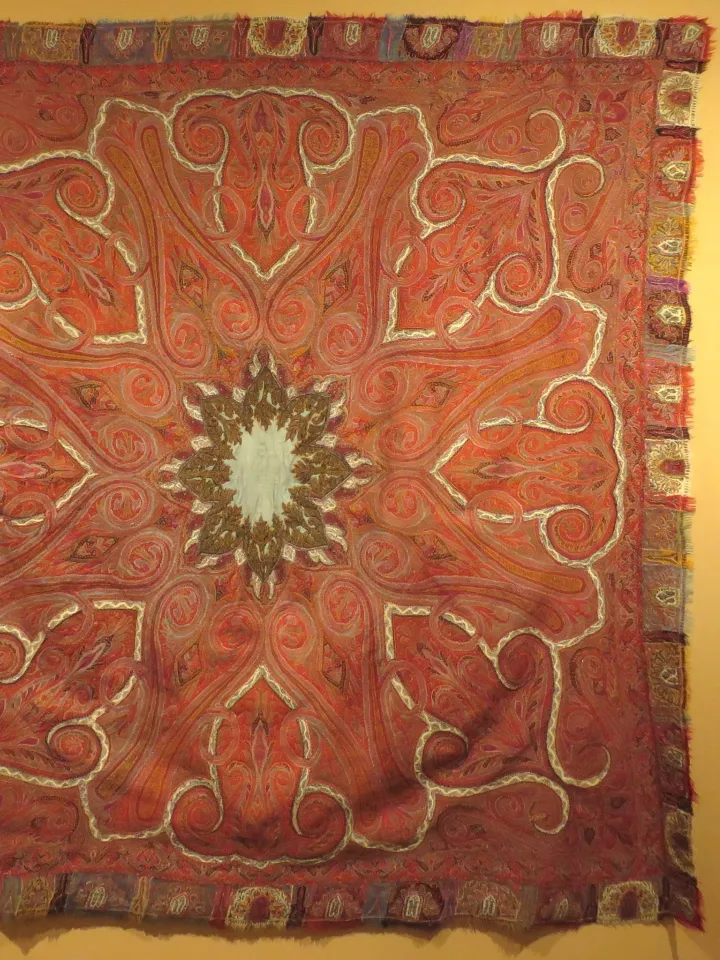
Kanihama is the Budgam village where Kashmir's Kani shawls are woven, about 20 to 23 km from Srinagar on the Gulmarg road. How the craft works, how to visit politely and how to buy genuine.
Want to stop at Kanihama on your Gulmarg day?
Tell us your dates. We add a weaving stop on the Srinagar to Gulmarg road with a cab and a local who knows the families.
In This Article
Quick Answer: Kanihama is a village in Budgam district on the Srinagar to Gulmarg road, about 20 to 23 km from Srinagar, known as the home of the Kani shawl. Weavers there use small wooden bobbins called kanis and a coded pattern called the talim. Kani shawls carry a Geographical Indication tag, so genuine ones come from this area.
Last updated: 11 November 2026. By Kashmir Pulse Editorial. Kashmir Pulse is Via Kashmir's editorial channel, written by locals.
Kanihama is a village most visitors drive straight through on the way to Gulmarg, never knowing that the houses on either side hold looms. Inside, two or three weavers sit side by side at a wooden loom, passing dozens of tiny bobbins through the warp, an inch at a time. If you want to see a Kashmiri craft being made rather than sold, this is the stop.
Where is Kanihama?
Kanihama is in Budgam district, on the main Srinagar to Gulmarg road near Magam. The Ministry of Tourism's rural tourism listing puts it 23 km from Srinagar; local reports say about 20 km from Lal Chowk. It is roughly half an hour from Srinagar, depending on traffic, which makes it an easy stop on a Gulmarg day trip.
The village was formerly known as Gund Kawarhama, and it has been given handloom village status. A craft village project at Kanihama was sanctioned in 2020 under the National Handloom Development Programme to support weavers and visitors.
What makes a Kani shawl from Kanihama different?
Most Kashmiri shawls are embroidered after weaving. A Kani shawl is different: the pattern is woven into the cloth itself, in a technique known as twill tapestry. The weaver does not use a shuttle for the pattern. Instead, each colour sits on its own small wooden bobbin, a kani, and is woven in by hand.
The design comes from a talim, a written code that tells the weaver which colour goes where, row by row. Complex shawls can use dozens of bobbins at once. Depending on the design, sources say a shawl takes from a few months to well over a year, with two or three weavers working together.
Here is the line we leave guests with: a Kani shawl is not decorated, it is built, one thread and one row at a time.
Related reading: Avantipora Temple Ruins: A 9th-Century Stop on the Pahalgam Road
How many weavers still work in Kanihama?
Weaving is still the main work of the village, though numbers have fallen. In reply to a question in the Assembly, the government said 2,570 Kani weavers are registered in Budgam district, including 142 from Kanihama itself. Local reports describe several hundred families in the village, a large share of them connected to weaving.
The craft is old. Historians link Kashmir's patterned shawl weaving to the court of Sultan Zain-ul-Abidin in the 15th century, and later Mughal and European demand made these shawls famous far beyond the valley.
Kani shawl vs embroidered shawl: how to tell them apart
| Kani shawl | Embroidered shawl (sozni) | |
|---|---|---|
| How the pattern is made | Woven in with bobbins on the loom | Stitched with a needle after weaving |
| Back of the shawl | Pattern shows on both sides, with small thread ends | Stitches and knots visible on the reverse |
| Time | Months, sometimes more than a year | Weeks to months |
| Where made | Kanihama and nearby Budgam villages | Across Srinagar and the valley |
Watch out for machine-woven copies, which have perfectly even edges and no thread ends at colour changes. Our guide to identifying real pashmina covers the base wool too.
Related reading: Maharaja Palace Gulmarg: The Timber Palace Most Visitors Walk Past
Book for this trip


How to visit Kanihama respectfully
- Go with someone local who can introduce you to a weaving family; these are homes, not showrooms.
- Visit in daylight, late morning to mid-afternoon, when weavers have good light.
- Ask before taking photos, and do not photograph people without permission.
- There is no obligation to buy, but if you do, buying direct helps the weavers most.
- Ask for the GI label or certificate on any shawl sold as Kani.
Kanihama fits neatly into a Gulmarg day. Leave Srinagar early, stop for an hour on the way up, and continue via Tangmarg. Our Kashmiri handicrafts guide covers other crafts worth seeing.
Planning your stop
Via Kashmir adds Kanihama to Gulmarg days for guests who ask, with local cabs that know the village lanes. Stay in verified hotels in Gulmarg or keep houseboats on Dal and Nigeen in Srinagar as your base. Our Kashmir packages can include a craft day. Tell us your dates.
Frequently asked questions
Where is Kanihama village?
Kanihama is in Budgam district on the Srinagar to Gulmarg road, near Magam. It is about 20 to 23 km from Srinagar, roughly half an hour by road.
What is Kanihama famous for?
Kanihama is famous for Kani shawls, patterned shawls woven on handlooms using small wooden bobbins called kanis. It has been given handloom village status.
How long does it take to weave a Kani shawl?
It depends on the design. A simple Kani shawl can take a few months, while a complex, fully patterned one can take more than a year with two or three weavers working together.
Can tourists visit Kani weavers in Kanihama?
Yes. Many visitors stop on the way to Gulmarg to watch the weaving. Go with a local who can introduce you, ask before taking photos, and remember these are family homes.
How do I know a Kani shawl is genuine?
Look for the pattern woven into the cloth with small thread ends on the back, not stitches or perfectly even machine edges. Ask for the GI label, and buy from weavers or trusted sellers.
Planning a trip to Kashmir? Via Kashmir offers custom itineraries, verified hotels, and local cab services, planned by people who live here.
Planning more than this? Get a full itemised Kashmir quote