

Kashmiri ver is a dried cake of pounded chilli, garlic, shallots and spices in mustard oil, with a hole in the middle, crumbled into curries. What goes in, how it is made and how to use it.
Taste Kashmir at home
Tell us your dates. We plan trips around real Kashmiri kitchens.
In This Article
Kashmiri ver is a dried spice cake: red chilli, garlic, shallots, ginger, fennel and whole spices pounded with mustard oil, shaped into rounds with a hole in the middle and sun-dried. Cooks crumble a piece into a curry near the end of cooking. Kept dry, a batch made in winter lasts until about June.
Last updated: 21 November 2026. By Kashmir Pulse Editorial. Kashmir Pulse is Via Kashmir's editorial channel, written by locals.
In most Kashmiri kitchens there is a jar or a cloth bundle that guests never notice: a few dark red discs, hard as bark, each with a hole through the middle. That is Kashmiri ver. My grandmother broke off a piece with her fingers, crumbled it over the rogan josh in its last minutes, and covered the pot. The smell that came out when she lifted the lid is one I still connect with winter evenings.
Quick facts
Kashmiri name: ver (also written verr or vaer); the chilli version is marchwangan ver
Main ingredients: red chilli, garlic, shallots, mustard oil and whole spices
Shape: a flat round with a hole in the centre, sun-dried for days
Keeps: from winter until about the end of June
What is Kashmiri ver?
Ver is a masala that has been turned into a solid. Instead of keeping a powder, Kashmiri cooks grind fresh garlic and shallots with chilli and spices into a stiff paste, bind it with mustard oil, shape it into cakes and dry them hard. The most common kind is marchwangan ver: marchwangan is the Kashmiri word for red chilli, and the chilli is what gives the cake its deep colour. Shops and recipe books also call it Kashmiri masala tikki.
The idea grew out of the calendar. Rising Kashmir, writing about ver makers in December 2022, explains it as an old way of saving garlic through winter: fresh garlic starts to sprout by February, but pounded into ver it stays useful until about the end of June. Ver belongs to the same habit of winter storage as hokh syun, the dried vegetables strung up in autumn.
What goes into Kashmiri ver?
Every family has its own ver, and nobody writes the ratio down. The ingredients most often named are:
- ✓Red chilli, usually the mild, deep red Kashmiri chilli, for colour more than heat.
- ✓Garlic and shallots, ground fresh into a paste.
- ✓Mustard oil, which binds the paste and helps it keep.
- ✓Dry ginger and fennel, the two warm, sweet notes that run through Kashmiri cooking.
- ✓Whole spices: cumin, black cumin, cloves, green and black cardamom, sometimes cinnamon and turmeric.
Some households, many Kashmiri Pandit families among them, make ver without garlic or onion and bind it with urad dal flour and asafoetida instead. One Pampore maker, Irshad Ahmad Dar, told Rising Kashmir he had started adding local saffron to his cakes.
Related reading: Types of Kashmiri Shawls: Pashmina, Kani, Sozni and More
How is Kashmiri ver made?
- Peel the garlic and shallots and pound them to a smooth paste, traditionally in a stone mortar.
- Mix in the chilli and the ground spices, then warm the mustard oil and work it in until the mass holds together like a stiff dough.
- Shape it into flat rounds about the size of a palm and press a hole through the middle of each.
- Dry the cakes in the sun on a rooftop or in the attic for several days, turning them, until no moisture is left.
- Store them somewhere dry and airy, and break off pieces as you need them.
The hole is practical: it lets air reach the centre, so the cake dries evenly instead of staying soft inside. A small maker can turn out a lot by hand; Irshad Ahmad Dar of Patalbagh in Pampore told Rising Kashmir in 2022 that he made around 300 cakes in a season.
How do you cook with Kashmiri ver?
Ver goes in late. Crumble a small piece, about one to two teaspoons, into the pot in the last few minutes of cooking, stir, cover and let it rest so the spices open in the steam. It works in meat curries such as marchwangan korma and rogan josh, in kebabs, in vegetable dishes and in a chicken yakhni. One rule I give every new cook: ver is a finishing spice, so add it at the end and taste before you add more.
Related reading: Kashmiri Wedding Traditions: From Maenziraat to Wazwan
Book for this trip
Kashmiri ver vs garam masala: what is the difference?
| Kashmiri ver | Garam masala | |
|---|---|---|
| Form | Hard dried cake, crumbled | Dry powder |
| Base | Fresh garlic, shallots, chilli and mustard oil | Dry roasted whole spices only |
| Colour | Deep red | Brown |
| When to add | Near the end of cooking | Usually near the end |
| Keeps | Months, from winter to early summer | Weeks to months, fading over time |
You can swap one for the other in a pinch, but the dish will taste different. Ver brings garlic, colour and the bite of mustard oil, which garam masala does not.
Where can you buy Kashmiri ver?
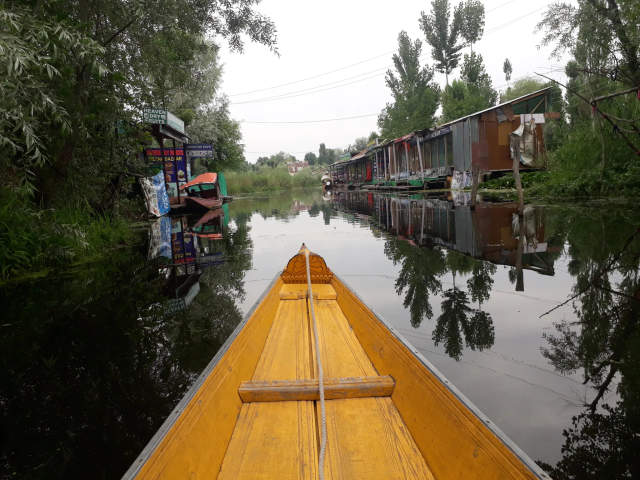
In the valley, most ver is still made at home or bought from small makers who sell to neighbours and send parcels outside Kashmir. In 2022 a 50 gram cake from one Pampore maker sold for about ₹80 to ₹100. If you are travelling, ask the family that hosts you; a homemade cake is a better souvenir than any packet. Via Kashmir can build a day around Srinagar's old-city kitchens and the saffron town of Pampore into any of our Kashmir packages, with a Dal Lake houseboat or one of our verified Srinagar hotels as your base and a local driver from our Kashmir cabs. Kashmir Pulse is Via Kashmir's editorial channel, written by locals who grew up with these smells.
Kashmiri ver: frequently asked questions
What is ver made of?
Kashmiri ver is usually red chilli, fresh garlic and shallots, dry ginger, fennel and whole spices, bound with mustard oil. Some families leave out garlic and onion and use urad dal flour and asafoetida instead.
Why does ver have a hole in the middle?
The hole lets air reach the centre of the cake while it dries in the sun. Without it the middle stays soft and can spoil.
How long does Kashmiri ver last?
Made in winter and kept dry, ver lasts until about the end of June. That long life is the reason it exists: it was a way to preserve garlic, which sprouts by February.
How much ver do you add to a curry?
About one to two teaspoons, crumbled, for a family-sized pot. Add it near the end of cooking, cover the pot and taste before adding more.
Is Kashmiri ver very spicy?
Not usually. Kashmiri chilli is chosen for its colour more than its heat, so ver gives a deep red, warm flavour rather than a fiery one.
Planning a trip to Kashmir? Via Kashmir offers custom itineraries, verified hotels, and local cab services, planned by people who live here.
Planning more than this? Get a full itemised Kashmir quote