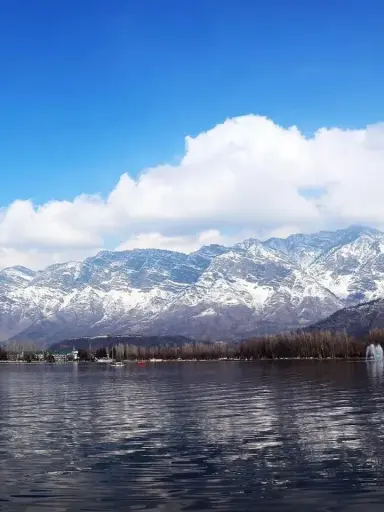
Kashmiris count six seasons, not four: Sonth, Grishm, Vahrat, Harud, Wandeh and Shishur. What each one means, when it falls, and what it changes on a trip.
Not sure which season suits you?
Tell us what you want to see. We match it to the right season and plan the trip.
In This Article
The six seasons of Kashmir are Sonth (spring), Grishm (summer), Vahrat (the rainy late summer), Harud (autumn), Wandeh (early winter) and Shishur (the hard cold). In the common reckoning each lasts about two months, from mid-March round to mid-March, though local sources differ on the exact dates.
Last updated: 29 November 2026. By Kashmir Pulse Editorial. Kashmir Pulse is Via Kashmir's editorial channel, written by locals.
Ask an older person in Srinagar what season it is and you will rarely hear spring, summer, autumn or winter. You will hear Harud, or Wandeh, or Sonth. The six seasons of Kashmir are an old local calendar, recorded by Walter Lawrence in The Valley of Kashmir in the 1890s and still used in everyday speech. Knowing them helps you read the valley the way the people who live here do.
At a Glance
Six seasons of about two months each, starting with Sonth in mid-March
Spellings vary: Vahrat or Wahrat, Wandeh or Vandeh, Grishm or Greshim
The hardest cold has its own name inside winter: Chillai Kalan, from 21 December
Deciding when to go? Start with our best time to visit Kashmir guide
Plan it: ViaKashmir.in trip enquiry
What are the six seasons of Kashmir?
The table uses the common two-month reckoning. Kashmir Life places Shishur from 15 January to 15 March and Vahrat from 15 July to 15 September; other writers shift the edges by a few weeks. Treat the dates as a guide, not a timetable.
| Season | Roughly | What it means | What you see |
|---|---|---|---|
| Sonth | 15 Mar to 15 May | Spring | Almond blossom, then the tulip gardens, snowmelt streams, cool rainy spells |
| Grishm | 15 May to 15 Jul | Summer | Green meadows in Gulmarg, Pahalgam and Sonamarg, long dry days, the busiest weeks |
| Vahrat | 15 Jul to 15 Sep | The rains | Warm, humid afternoons, short showers, lotus on Dal Lake |
| Harud | 15 Sep to 15 Nov | Autumn | Apple harvest, chinars turning red and gold, saffron in flower, clear skies |
| Wandeh | 15 Nov to 15 Jan | Winter | Frost, the first snow, kangris and pherans, Chillai Kalan from 21 December |
| Shishur | 15 Jan to 15 Mar | The hard cold | Deep snow in the mountains, Gulmarg's best ski weeks, the end of the Chillai periods |
Sonth: spring wakes the valley
Sonth begins when the cold loosens. In March the almond trees of Badamwari flower first, then the tulips arrive in late March and April. Western disturbances still bring rain to Srinagar and fresh snow to the high meadows, so a spring trip mixes blossom below with white peaks above. Read our spring and tulip season guide and Kashmir in April.
Related reading: Kashmir Cold Wave: Srinagar Goes Sub-Zero, Pahalgam Hits Minus 3.8°C
Grishm and Vahrat: the green months
Grishm is the season most visitors picture: green meadows, open passes and pleasant days in the hill stations at about 2,200 to 2,700 metres. It is also the busiest, so book hotels and houseboats early. Vahrat follows. Kashmir is largely sheltered by the Pir Panjal and gets far less monsoon rain than the plains, but July and August bring humid days in Srinagar and short, sharp showers. It is a quieter, greener time; see Kashmir in summer.
Harud: the season locals love most
Harud is autumn, and many Kashmiris will tell you it is the best season of all. Apples come off the trees, the chinar leaves turn from late October into early November, and saffron flowers around Pampore. Skies are clear and the light is soft. We wrote about it in detail in Harud in Kashmir and Kashmir in October.
Related reading: Kashmir in November vs December: Which Month Suits You?
Wandeh and Shishur: two winters, not one
Wandeh is the everyday word for winter, and it covers frosty November, the first snow and the start of the coldest stretch. Inside it sits Chillai Kalan, the 40 days of hardest cold from 21 December to 31 January. Chillai Khurd follows for about 20 days into mid February, then Chillai Bachha for about 10 days into early March. Shishur names that late, deep cold. It is when Gulmarg usually has its best snow base, and when the kangri and pheran come into their own.
Good to know: Recent winters have been drier than the old calendar suggests, with more rain and less snow at lower levels. Check our Gulmarg snowfall page before a snow trip.
Book for this trip
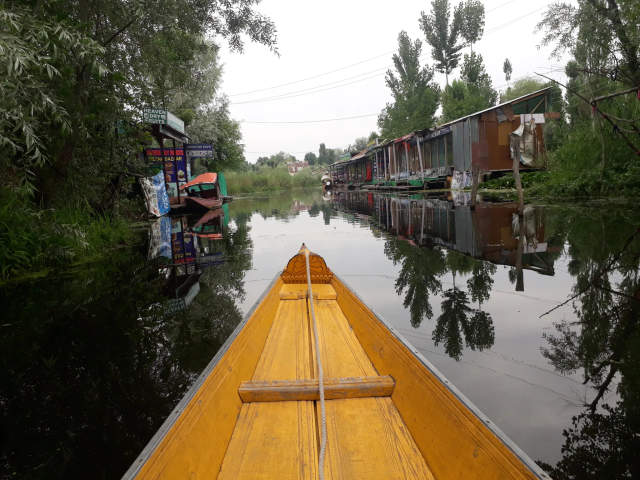
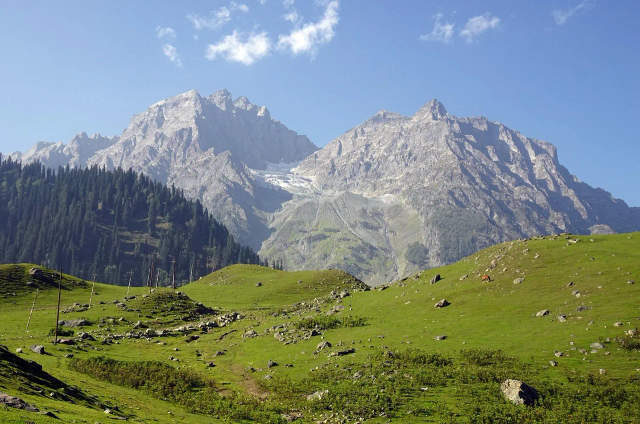
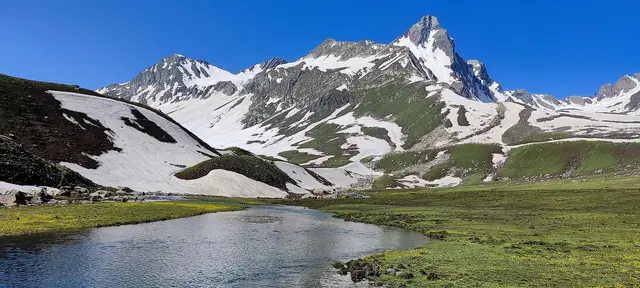
How the six seasons of Kashmir change your trip
- Pick the season for what you want to see: blossom in Sonth, meadows in Grishm, colour in Harud, snow in Wandeh and Shishur.
- Check the month page for the details: May, November or January.
- Pack for the season, not the month name: what to pack for Kashmir.
- Keep a spare day in Wandeh and Shishur for snow on the roads.
- Compare live Kashmir packages and cab fares for your dates.
Frequently asked questions
What are the six seasons of Kashmir called?
Sonth (spring), Grishm (summer), Vahrat (the rains), Harud (autumn), Wandeh (winter) and Shishur (the hard cold). Spellings vary because Kashmiri is written in more than one script.
Is Chillai Kalan a season?
Not one of the six. It is the 40 days of hardest cold, from 21 December to 31 January, inside Wandeh and running into Shishur. Chillai Khurd and Chillai Bachha follow it.
Does Kashmir get the monsoon in Vahrat?
Only lightly. The Pir Panjal shelters the valley, so July and August bring humid days and short showers rather than the long rains of the plains.
Which of the six seasons is best for a first trip?
It depends on what you want to see. Our best time to visit Kashmir guide compares them by place and price.
When is Harud in Kashmir?
Roughly mid-September to mid-November. The chinars usually turn from late October and saffron flowers around Pampore at the same time.
Do Kashmiris still use these season names?
Yes, in everyday speech, especially Harud and Wandeh. The month names of the old Kashmiri calendar are used less, mostly by older people and in rural areas.
Planning a trip to Kashmir? Via Kashmir offers custom itineraries, verified hotels, and local cab services, planned by people who live here.
Planning more than this? Get a full itemised Kashmir quote