
Altitude is the one part of a Ladakh trip that cannot be negotiated with. Here is what actually happens to the body above 3,000 metres, how to reduce the risk, and what to do if it hits you anyway.
In This Article
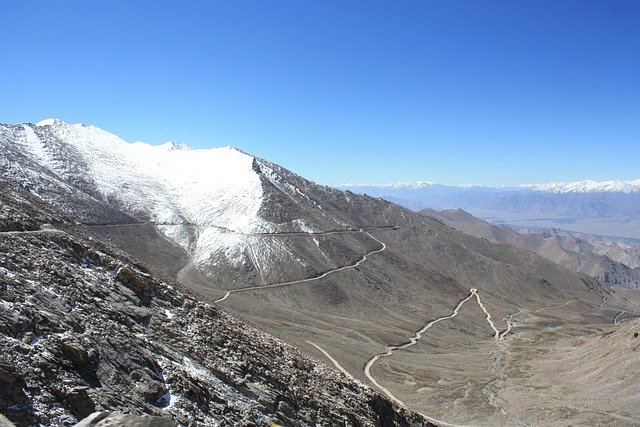
Leh sits at roughly 3,500 metres, and the passes toward Nubra and Pangong go well above 5,000 metres - both are firmly in the range where acute mountain sickness (AMS) is a real, common risk, not a rare edge case. The single most effective precaution is a genuine rest day in Leh before any strenuous activity or higher-altitude travel, regardless of how fit you are.
Altitude sickness is not about fitness - a very fit, young traveller can get it, and an older, less active one can be fine. It is about how quickly your body ascends and how much time you give it to adjust. This is exactly why flying directly into Leh from sea level carries more risk than the two-day Srinagar-Leh road journey: the gradual climb by road gives your body a head start that a 90-minute flight does not.
What acute mountain sickness actually feels like
- ✓Headache - usually the first and most common symptom
- ✓Nausea, sometimes vomiting
- ✓Fatigue and breathlessness beyond what the activity level would normally explain
- ✓Dizziness or a general feeling of being unwell
- ✓Difficulty sleeping the first night or two
Mild symptoms in the first day or two at altitude are common and usually resolve with rest. Symptoms that worsen rather than improve, or include confusion, severe breathlessness at rest, or a persistent cough, need medical attention - Leh has hospitals equipped for altitude-related illness, and your driver or guide should be told immediately if anyone in the group feels this way.
How to actually reduce the risk
- ✓Spend at least one full day resting in Leh before any sightseeing beyond the town itself, whether you arrived by flight or road
- ✓Drink significantly more water than feels necessary - dehydration compounds altitude symptoms
- ✓Avoid alcohol for the first 24-48 hours at altitude
- ✓Ascend in stages where possible - this is one real advantage of driving the Srinagar-Leh highway over flying direct
- ✓Do not push straight to a high pass (Khardung La, Chang La) on your first or second day
- ✓If you have a known heart or lung condition, or are pregnant, discuss the trip with a doctor before travelling
Some travellers use acetazolamide (Diamox) as a preventive measure, taken before ascent on medical advice. This is a decision to make with a doctor before your trip, not something to start experimenting with in Leh - we are not able to give medical advice, only practical, on-the-ground guidance.
Frequently asked questions
Is altitude sickness common in Ladakh?
Mild symptoms in the first day or two are common given that Leh sits at roughly 3,500 metres. Severe cases are less common but real, which is why a rest day and gradual acclimatisation are standard advice, not overcaution.
Should I fly to Leh or take the road trip to reduce altitude sickness risk?
The two-day Srinagar-Leh road journey acclimatises the body more gradually than a direct flight, which drops you at 3,500 metres almost instantly. See our Srinagar to Leh road trip guide for what that drive actually involves.
How long should I rest in Leh before visiting Khardung La or Pangong Tso?
At least one full day of rest in Leh town itself is the standard recommendation before attempting a higher pass or a trip to Nubra or Pangong.
Planning a Ladakh trip and want honest, practical advice?
Talk to us about your itinerary →Kashmir Pulse Editorial
Travel Writer, Via Kashmir
Via Kashmir is a Srinagar-based travel company built around one goal: giving travellers the best possible Kashmir experience. Our team puts together the best-priced hotels, cabs, Kashmir tour packages, and adventure packages with real sports activities, drawing on daily, on-the-ground knowledge of Kashmir's roads, weather, and seasons. Every guide on this site is written and checked by our local Srinagar team.
Ready to Experience Kashmir?
Let our local experts craft a personalised trip for you - hotels, houseboats, cabs, and experiences handpicked for your travel style.